

Diabetes rarely begins with one dramatic warning. It may start with another glass of water, an extra trip to the toilet at night or tiredness you blame on a busy week.
One symptom alone does not mean you have diabetes. However, persistent changes or symptoms that appear together deserve attention. Recognising early signs of diabetes can help you act before high blood sugar affects other parts of your body.
What is Diabetes and Why Do Early Signs Matter?
Diabetes is a long-term condition in which the glucose level in your blood becomes too high. This happens when your body does not produce enough insulin or cannot use it properly. Insulin helps glucose move from the blood into your cells, where it is used for energy.
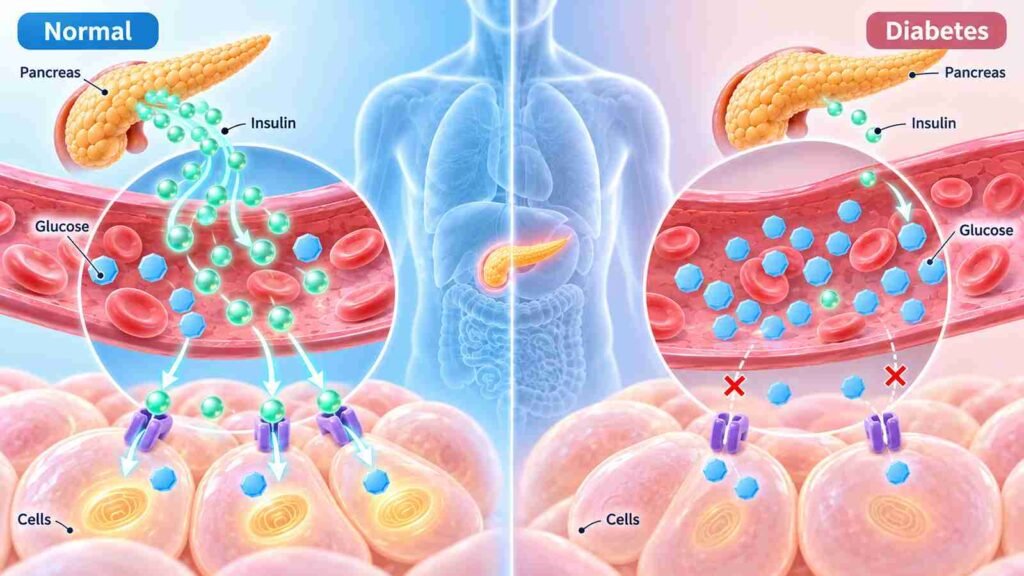
The usual type 2 diabetes symptoms may develop so slowly that they go unnoticed. Research based on the UK Prospective Diabetes Study suggests that, by the time type 2 diabetes is diagnosed, beta-cell function may already have fallen by around 40%–50%. Beta cells are pancreatic cells that produce insulin. This statistic refers to reduced function, not necessarily the physical loss of half the cells.
That is why screening matters, even when the changes seem minor.
10 Early Warning Signs of Diabetes You Shouldn’t Ignore
The following changes can be symptoms of high blood sugar, but they cannot confirm diabetes. Medical evaluation and suitable tests are necessary.
1. Excessive Thirst and Frequent Urination
When glucose builds up in the blood, the kidneys try to remove more of it through urine. You may urinate more often, lose extra fluid and feel unusually thirsty.
Other causes of frequent urination and thirst include hot weather, increased fluid intake, urinary conditions and certain medicines. If both symptoms persist—particularly if you wake repeatedly at night—speak to a doctor.
2. Unexplained Fatigue
When glucose cannot enter your cells efficiently, your body may not receive the energy it needs. Frequent urination and dehydration can worsen tiredness.
Fatigue can have several causes, including anaemia and thyroid conditions. Doctors should assess it rather than automatically blaming diabetes.
3. Sudden or Unexplained Weight Loss
If your cells cannot use enough glucose, your body may begin using stored fat and muscle for energy. This can cause weight loss even if your diet hasn't changed.
Although more common in type 1 diabetes, unexplained weight loss can also occur in type 2 diabetes.
4. Increased Hunger
You may finish a full meal yet feel hungry again soon afterwards. This may happen because glucose stays in your bloodstream instead of entering your cells properly.
Hunger becomes more concerning when it appears with thirst, fatigue, frequent urination or weight loss.
5. Blurred Vision
High glucose can change fluid levels in the eyes and temporarily affect their ability to focus. Your vision may appear unclear or change during the day.
Because blurred vision has several possible causes, consider both an eye examination and a blood sugar assessment.
6. Slow-Healing Wounds or Cuts
High blood sugar can affect circulation and the body’s response to germs. A small wound, particularly on the foot, may take longer than expected to heal.
Check your feet regularly, and seek medical advice if a wound isn't improving.
7. Tingling or Numbness in the Hands or Feet
Persistently high glucose may gradually affect the nerves. You might notice tingling, burning, pins and needles or reduced sensation, often beginning in the feet.
Other conditions can cause similar sensations, so a proper assessment is important.
8. Frequent Infections
High glucose may make certain infections harder to control. You might experience repeated skin, urinary, gum or fungal infections.
If a problem keeps returning, avoid relying on leftover medicine. Ask a doctor to investigate the underlying reason.
9. Dry, Itchy Skin
Fluid loss through frequent urination can leave the skin dry or itchy. Changes in circulation may also contribute.
Dry skin is common and does not indicate diabetes on its own. Take note if it occurs alongside other warning signs.
10. Darkened Skin Patches
Thick, dark or velvety patches around the neck, armpits or groin may be acanthosis nigricans, a condition associated with insulin resistance.
It does not confirm diabetes, but it can be a reason to discuss screening—especially if diabetes runs in your family.
Prediabetes: The Silent Warning Stage
Prediabetes means blood glucose is above the normal range but not yet high enough for diabetes. It often causes no clear symptoms. Many prediabetes warning signs are therefore risk factors rather than changes you can feel.

These include excess body weight, limited physical activity, a family history of diabetes, high blood pressure, polycystic ovary syndrome and previous gestational diabetes. Timely lifestyle changes and medical guidance may prevent or delay type 2 diabetes.
How is Diabetes Diagnosed?
Symptoms can raise suspicion, but testing is required for a diabetes diagnosis. Your doctor may recommend:
- A fasting blood sugar test, taken after at least eight hours without food
- A random plasma glucose test, which can be performed at any time
- An oral glucose tolerance test to see how your body handles glucose
- An HbA1c test, which reflects average blood glucose over approximately two to three months
For non-pregnant adults, an HbA1c result of 5.7%–6.4% indicates prediabetes, while 6.5% or above indicates diabetes. A fasting glucose result of 100–125 mg/dL indicates prediabetes, while 126 mg/dL or above indicates diabetes.
Doctors usually confirm an abnormal result with another test unless you have clear symptoms and very high glucose levels.
When Should You See a Diabetologist?
Consult a diabetologist if several warning signs occur together, your test result falls outside the normal range, or you have major risk factors. Don't wait for symptoms to become severe.
Seek urgent medical care if you develop vomiting, stomach pain, rapid or difficult breathing, confusion, severe drowsiness or fruity-smelling breath. These may indicate a diabetes-related emergency.
Left Untreated? Here are Complications of Ignoring Diabetes Symptoms
Delayed diagnosis can have lasting consequences. In a global survey conducted by the International Diabetes Federation, 72% of the people surveyed said they discovered they had diabetes only after developing at least one related complication.
This was a survey finding, not an estimate for every person with diabetes. Even so, it shows why people should not ignore persistent symptoms or recommended screening.
Possible complications can affect the heart, eyes, nerves, feet, gums and blood vessels. Among the major diabetes complications affecting the kidneys, diabetic kidney disease may develop without obvious symptoms during its early stages. Doctors use blood and urine tests to monitor kidney health.
Considering Diabetes Treatment in Kolkata? How Samaritan Hospital Can Help
Diabetes may begin with thirst, frequent urination, tiredness or blurred vision, but some people notice no clear signs.
If you are considering diabetes treatment in Kolkata, timely assessment can help determine whether your glucose levels indicate diabetes, prediabetes or another concern.
At Samaritan Hospital, we review:
- your symptoms,
- medical history,
- current medicines,
- blood glucose readings,
- and HbA1c results before recommending personalised care.
If warning signs persist or occur together, schedule a consultation rather than trying to diagnose the condition yourself.
What People Ask About Diabetes
What is the earliest sign of diabetes most people miss?
There is no single earliest sign for everyone. Unusual tiredness and urinating more often—especially at night—are commonly overlooked because they may be blamed on stress, ageing or increased fluid intake.
Can diabetes symptoms appear suddenly, or do they develop slowly?
Type 1 diabetes symptoms may appear within days or weeks. Type 2 diabetes symptoms usually develop gradually and can remain unnoticed for months or years.
What blood sugar level is considered diabetic versus prediabetic?
For non-pregnant adults, fasting glucose of 100–125 mg/dL indicates prediabetes, while 126 mg/dL or above indicates diabetes. An HbA1c of 5.7%–6.4% indicates prediabetes, while 6.5% or above indicates diabetes. Different thresholds apply during pregnancy.
Are early diabetes symptoms different in men and women?
The main symptoms are broadly the same. Women may experience repeated vaginal yeast or urinary infections. Men may notice erectile difficulties or genital thrush. These concerns can have other causes, so testing is necessary.
How soon should a patient see a doctor after noticing these warning signs?
Arrange an appointment within a few days if symptoms persist, occur together or become more noticeable. Seek urgent care for vomiting, confusion, severe drowsiness, breathing difficulty or fruity-smelling breath.