

Breast Cancer in Kolkata
Home / Treatments / Oncology / Breast cancer
Quick Answers
Can breast cancer occur without a family history?
Yes. Most diagnosed individuals have no hereditary connection to the disease.
Can underwire bras increase breast cancer risk?
No. Research has found no evidence linking this clothing choice to cancer.
Can younger women develop breast cancer?
Yes. Although age raises risk, younger individuals can also be diagnosed.
Is a lump the only sign of breast cancer?
No. Skin dimpling, redness, discharge, and shape changes may also occur.
What Is Breast Cancer?
A disease in which cells in the breast grow out of control and form a tumour.
Key points:
- Most common among Indian women
- 1 new case every 4 minutes
- 48–50% of cases affect younger women
- Stage I survival reaches 95%
Types of Breast Cancer
Invasive Ductal Carcinoma (IDC)
Accounts for 70%–80% of cases; starts in milk ducts, invades nearby tissue.
Invasive Lobular Carcinoma (ILC)
Accounts for 10%–15% of cases; starts in lobules, invades surrounding tissue.
Ductal Carcinoma in Situ (DCIS)
A non-invasive, early-stage condition confined entirely to the milk ducts.
Triple-Negative (TNBC)
An aggressive variant lacking estrogen, progesterone, and HER2 receptors.
Inflammatory (IBC)
A rare, fast-growing variant causing breast redness, swelling, warmth, and skin changes.
Metastatic (MBC)
Stage 4 disease that has spread to distant organs or tissues.
Paget Disease
A rare type starting in the ducts and spreading to the skin of the nipple and areola.
Symptoms Of Breast Cancer
Common Symptoms
- Breast lump or mass
- Unexplained breast size changes
- Breast skin dimpling or puckering
- Newly inverted nipple appearance
- Spontaneous clear or bloody discharge
Red Flags Requiring Immediate Medical Care
- Rapid breast swelling and redness
- Hard, fixed lymph node swelling
- Sudden unexplained nipple bleeding
- Persistent bone pain or breathlessness
Why Choose Samaritan Medical Surgical & Critical Care?
At Samaritan Medical Surgical & Critical Care, we provide comprehensive healthcare solutions as per your needs. With a team of expert professionals, we focus on delivering compassionate, patient-centred care for optimal well-being.

NABH Certified
Accredited by NABH, ensuring the highest standards of healthcare quality and patient safety.

Surgical Excellence
Our skilled surgeons offer precision care for a wide range of surgical procedures.

Critical Care Support
Providing round-the-clock critical care with advanced equipment and expert medical teams.
Our Doctors
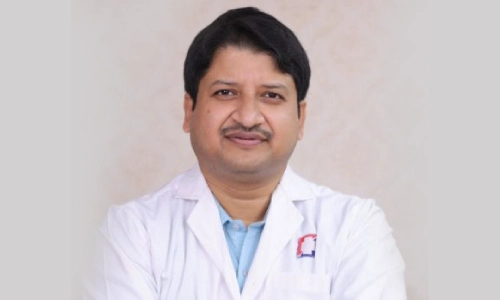
DR. SOMAK DAS
Qualifications: MBBS, MS(GEN.SURG.) DNB(GASTRO.SURG), MCH
Specialty: GASTRO SURGEON
Fees: Rs. 1,200.00
Available Days: MON, WED & FRI
Available Time: BY APPOINTMENT

DR. D. K. SARKAR
Qualifications: MBBSMS, DNB FRCS, (GOLD), FFSTED
Specialty: GENERAL SURGEON
Fees: Rs. 1,550.00
Available Days: MON, WED,THU & SAT
Available Time: MON WED,THU-16:00 & SAT-15:00

DR. RUDRADEEP BANERJEE
Qualifications: MS.(GEN.SURG), D.N. BMRCS
Specialty: GENERAL SURGEON
Fees: Rs. 1,000.00
Available Days: BY APPOINTMENT
Available Time: BY APPOINTMENT
DR. RANAJOY DUTTA
Qualifications: MBBS, M.S D.N.B
Specialty: GENERAL SURGEON
Fees: Rs. 1,200.00
Available Days: WED, SAT
Available Time: 17:00 - 18:00 PM
DR. ACHINTA KR DAS
Qualifications: MBBS, MS
Specialty: GENERAL SURGEON
Fees: Rs. 1,200.00
Available Days: BY APPOINTMENT
Available Time:BY APPOINTMENT
DR. SAMRIDDHI PODDAR
Qualifications: MBBS(HONS), MS(SURGERY), WBUHS NRSMCH
Specialty: GENERAL SURGEON
Fees: Rs. 1,000.00
Available Days: TUE & WED
Available Time: TUE 16:30-17:30 & WED 18:00-19:00
DR . B . B . BARAI
Qualifications: MBBS, DNB, PG DGM, CCEBDM
Specialty: GENERAL SURGEON
Fees: Rs. 1,200.00
Available Days: MON /FRIDAY
Available Time: 11:00-13:00
DR. SAPTARSHI KUNDU
Qualifications: MBBS, MS (GEN SUR)
Specialty: GENERAL SURGEON
Fees: Rs. 700.00
Available Days: BY APPOINTMENT
Available Time: BY APPOINTMENT
DR. MAINAK PAL
Qualifications: MBBS, MS, FMAS(GEN.SURG)
Specialty: GENERAL SURGEON
Fees: Rs. 1,000.00
Available Days: MON -FRI
Available Time: 17:00-18:00
DR. SUKANTA ROY
Qualifications: MBBS, MS(GASTO)
Specialty: GASTRO SURGEON
Fees: Rs. 1,000.00
Available Days: BY APPOINTMENT
Available Time: BY APPOINTMENT

DR. UDDIPTA DUTTA
Specialty: GASTRO SURGEON
Fees: Rs. 900.00
Available Days: BY APPOINTMENT
Available Time: BY APPOINTMENT
Hear From Our Happy Patients
Very good nursing home. All staff good.
A really good hospital with good critical and surgical care. Staffs are very cooperative..
Here the service are very good। Very good hospital
very good nursing home
Nurse didi gulo khub bhalo all staff bhalo 100.90% bhalo
Are good nursing hom varehalp pol anepplamkontak stap vare Good
Good experience All facilities is good
Best hospital Very good facility
Doctors, Nursing staff, other staff are very good, everything is good, only few accommodation issue is not adjustable.
Liked the place...staffs...sisters all helpful...and special thanks to my doctor..Doctor Sukanta Ray...he is next to God to me
Liked the place...staffs...sisters all helpful...and special thanks to my doctor..Doctor Sukanta Ray...he is next to God to me
Individuals at Higher Risk for Breast Cancer
| Group | Outcome |
|---|---|
| Genetic and Hereditary Risks | BRCA1/BRCA2 and other inherited mutations increase lifetime risk; first-degree family history can double risk. |
| Personal Medical History | Previous breast cancer, high-risk breast conditions, and chest radiation increase future risk. |
| Physical and Hormonal Factors | Dense breasts and longer lifetime oestrogen exposure increase overall risk. |
| Pregnancy History | Never giving birth or having a first child after age 30–35 increases risk. |
Breast Cancer Patterns, Diagnosis & Treatment Approach
| Pattern | Presentation | Diagnosis | Treatment | Outcome |
|---|---|---|---|---|
| DCIS | Stage zero cells in ducts | Mammogram and biopsy | Surgery with or without radiation or hormone therapy | Excellent. Stops spread |
| Early-Stage | Small tumour in breast | Scans and biopsy | Surgery with or without radiation or body drugs | High cure rate |
| Locally Advanced | Large tumour in skin or wall | Biopsy and MRI | Drugs first, then surgery and radiation | Shrinks tumour for surgery |
| HR-Positive | Grows from hormones | Tumour tissue test | Hormone therapy with or without other drugs | Good but can return late |
| HER2-Positive | Overmakes growth protein | Tumour tissue test | Targeted drugs with or without chemotherapy | Strong response to drugs |
| Triple-Negative | Lacks protein and hormone locks | Tumour tissue test | Chemotherapy with or without immunotherapy | Aggressive treatment needed |
| Metastatic | Stage four spread to organs | Biopsy and scans | Body drugs chosen by tumour tests | Extends life and eases pain |
How Is Breast Cancer Evaluated?
Clinical breast examination
Diagnostic mammogram
Breast ultrasound
Breast MRI
Image-guided breast biopsy
Histopathological examination
IHC testing
FISH testing
Tumour grade assessment
Ki-67 assessment
Lymph-node assessment
CT scan
PET/CT scan
Bone scan
Genetic testing
Multigene testing
What Treatments Are Available for Breast Cancer?
- Lumpectomy
- Mastectomy
- Sentinel lymph node biopsy
- Axillary lymph node dissection
- Breast reconstruction
- Radiation therapy
- Chemotherapy
- Hormone therapy
- Targeted therapy
- Immunotherapy
- Cryoablation or Radiofrequency Ablation Therapy
Breast Cancer Treatment: What to Expect?
Before
- Treatment assessment and staging
- Pre-treatment investigations
- Fertility preservation planning
- Anaesthesia and surgical assessment
- Treatment preparation and counselling
During
- Definitive surgical procedure
- Chemotherapy or targeted therapy
- Radiation therapy, when indicated
- Intraoperative monitoring and care
- Side-effect and symptom management
After
- Postoperative wound management
- Drain and dressing management
- Pain and symptom control
- Progressive mobilisation and rehabilitation
- Follow-up and treatment monitoring
Benefits of Breast Cancer Treatment
- Removes the primary tumour.
- Prevents cancer from spreading.
- Lowers risk of recurrence.
- Extends overall survival rates.
- Preserves breast appearance options.
- Targets specific cancer cells.
Breast Cancer Treatment Success Rate India-Wide
| Stages | 5-Year Overall Survival Rate |
|---|---|
| I (Early) | 95% |
| II (Localised) | 92% |
| III (Locoregionally Advanced) | 70% |
| IV (Metastatic / Distant) | 18%–21% |
Recovery After Breast Cancer Treatment
First 48 Hours: Pain control, breathing exercises, assisted walks.
Weeks 1–2: Drain and wound care continue.
Weeks 1–2: Gentle arm movement begins.
Weeks 3–6: Fatigue and soreness gradually improve.
Weeks 4–6: Light daily activities resume.
Weeks 6–8: Exercise and full activity gradually resume.
Months 2–3: Chemotherapy side effects stabilise.
Months 6–12+: Physical and emotional adjustment continues.
Complications If Breast Cancer Is Left Untreated
- Tumour may continue growing.
- Cancer may invade surrounding structures.
- Cancer can spread to lymph nodes.
- Cancer may spread to distant organs.
- Progressive disease can cause discomfort.
- Advanced disease may cause ulceration.
- Metastatic disease can impair organ function.
Post-Breast Cancer Treatment Daily Management & Prevention Tips
Management
- Eat whole foods, vegetables
- Walk twenty to thirty minutes
- Wear soft cotton clothes
- Use quality skin moisturisers
- Practise daily meditation regularly
- Keep a personal journal
- Join a cancer support group
Prevention
- Maintain a healthy body weight
- Aim for 150 minutes weekly
- Include weekly strength training
- Avoid alcohol whenever possible
- Avoid smoking and tobacco
- Follow recommended mammogram screening.
Frequently Asked Questions
Can breast cancer be cured?
Yes, in some cases. Many localised breast cancers can be treated with curative intent. The possibility of cure depends on factors including stage, tumour biology, treatment response, and whether the disease has spread.
Is breast removal always necessary?
No. Breast-conserving surgery may suit many patients. The choice between breast conservation and mastectomy depends on tumour size, location, extent, breast characteristics, genetic factors, previous treatment, and other clinical considerations.
Can breast cancer return after treatment?
Yes. Recurrence can occur locally, regionally, or distantly. Risk varies by tumour stage, biology, treatment, and other factors, so long-term follow-up is important.
Does eating sugar make breast cancer grow faster?
No. Sweet foods do not directly accelerate tumour growth. However, a balanced diet can support overall health, while excess calories may contribute to weight gain and related risks.
Can mammograms cause or spread breast cancer?
No. This screening method uses low-dose X-rays and does not cause cells to spread. Its benefits in detecting abnormalities early generally outweigh the very small radiation risk.