

Sleep Apnea Treatment in Kolkata
Home / Treatments / ENT/ Snoring & sleep apnea
Quick Answers
Is Loud Snoring Always a Sign of Sleep Apnea?
No. Frequent, disruptive snoring with breathing pauses, gasping, choking, or fatigue warrants medical evaluation.
Can Sleep Apnea Be Treated Without Surgery?
Yes. Lifestyle changes, positional therapy, oral appliances, or positive airway pressure may manage it effectively.
Can Sleep Apnea Be Completely Cured?
Sometimes. Outcomes depend on underlying causes, severity, contributing factors, and response to treatment.
When To See a Doctor for Snoring?
Consult a doctor for persistent noise, breathing interruptions, choking episodes, gasping, or excessive daytime sleepiness.
What Is Sleep Apnea?
It is a sleep-related breathing disorder in which breathing repeatedly stops or becomes significantly reduced during sleep.
Key points:
- Loud snoring is a common warning sign.
- Choking or gasping may disrupt sleep.
- Morning headaches and fatigue can occur.
- Concentration and daytime alertness may decline.
Types of Sleep Apnea
Obstructive
Airway blockage occurs when throat muscles relax excessively during sleep.
Central
The brain temporarily fails to send the proper signals that control breathing.
Complex or Mixed
Obstructive and central breathing problems occur together or emerge during treatment.
Common Symptoms Of Sleep Apnea
Common Symptoms
- Loud snoring that disturbs sleep regularly.
- Gasping or choking during sleep.
- Dry mouth after waking.
- Morning headaches after waking.
- Daytime sleepiness despite adequate sleep.
- Poor concentration or mood changes.
Red Flags (Seek Immediate Medical Care)
- Severe breathing difficulty after waking.
- Repeated gasping with racing heartbeat.
- Bluish lips or nails during sleep.
- Dangerous sleepiness while driving or working.
When Snoring Signals Sleep Apnea
Loud gasping, choking, or snorting during sleep
Breathing pauses followed by sudden snoring or gasping
Excessive daytime sleepiness or difficulty concentrating
Waking with a dry mouth or sore throat
Morning headaches despite getting adequate sleep
Why Choose Samaritan Medical Surgical & Critical Care?
At Samaritan Medical Surgical & Critical Care, we provide comprehensive healthcare solutions as per your needs. With a team of expert professionals, we focus on delivering compassionate, patient-centred care for optimal well-being.

NABH Certified
Accredited by NABH, ensuring the highest standards of healthcare quality and patient safety.

Surgical Excellence
Our skilled surgeons offer precision care for a wide range of surgical procedures.

Critical Care Support
Providing round-the-clock critical care with advanced equipment and expert medical teams.
Our Doctors
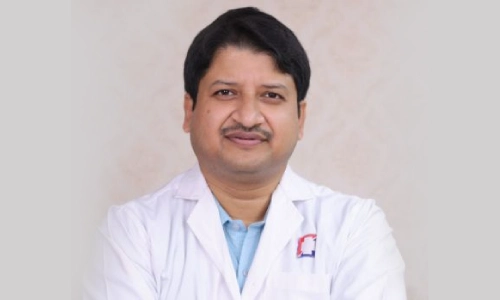
DR. SOMAK DAS
Qualifications: MBBS, MS(GEN.SURG.) DNB(GASTRO.SURG), MCH
Specialty: GASTRO SURGEON
Fees: Rs. 1,200.00
Available Days: MON, WED & FRI
Available Time: BY APPOINTMENT

DR. D. K. SARKAR
Qualifications: MBBSMS, DNB FRCS, (GOLD), FFSTED
Specialty: GENERAL SURGEON
Fees: Rs. 1,550.00
Available Days: MON, WED,THU & SAT
Available Time: MON WED,THU-16:00 & SAT-15:00

DR. RUDRADEEP BANERJEE
Qualifications: MS.(GEN.SURG), D.N. BMRCS
Specialty: GENERAL SURGEON
Fees: Rs. 1,000.00
Available Days: BY APPOINTMENT
Available Time: BY APPOINTMENT
DR. RANAJOY DUTTA
Qualifications: MBBS, M.S D.N.B
Specialty: GENERAL SURGEON
Fees: Rs. 1,200.00
Available Days: WED, SAT
Available Time: 17:00 - 18:00 PM
DR. ACHINTA KR DAS
Qualifications: MBBS, MS
Specialty: GENERAL SURGEON
Fees: Rs. 1,200.00
Available Days: BY APPOINTMENT
Available Time:BY APPOINTMENT
DR. SAMRIDDHI PODDAR
Qualifications: MBBS(HONS), MS(SURGERY), WBUHS NRSMCH
Specialty: GENERAL SURGEON
Fees: Rs. 1,000.00
Available Days: TUE & WED
Available Time: TUE 16:30-17:30 & WED 18:00-19:00
DR . B . B . BARAI
Qualifications: MBBS, DNB, PG DGM, CCEBDM
Specialty: GENERAL SURGEON
Fees: Rs. 1,200.00
Available Days: MON /FRIDAY
Available Time: 11:00-13:00
DR. SAPTARSHI KUNDU
Qualifications: MBBS, MS (GEN SUR)
Specialty: GENERAL SURGEON
Fees: Rs. 700.00
Available Days: BY APPOINTMENT
Available Time: BY APPOINTMENT
DR. MAINAK PAL
Qualifications: MBBS, MS, FMAS(GEN.SURG)
Specialty: GENERAL SURGEON
Fees: Rs. 1,000.00
Available Days: MON -FRI
Available Time: 17:00-18:00
DR. SUKANTA ROY
Qualifications: MBBS, MS(GASTO)
Specialty: GASTRO SURGEON
Fees: Rs. 1,000.00
Available Days: BY APPOINTMENT
Available Time: BY APPOINTMENT

DR. UDDIPTA DUTTA
Specialty: GASTRO SURGEON
Fees: Rs. 900.00
Available Days: BY APPOINTMENT
Available Time: BY APPOINTMENT
Hear From Our Happy Patients
Very good nursing home.all staff best
I had Laproscopic surgery of gallbladder stone on 23/6/26 & Discharge on 25/6/26. I had wonderful experience in nursing home, Very cooperative staff. Particularly Ms Aditi (Head Sister charge) , she has cooperated very well with Smily face. OT is well equipped with high quality instruments, Dr Mukesh Karia has done wonderful operations.
Very good nursing home
Very Supportive Staff with 24*7 support. Along with Neat and Clean cloths and bed.
Great treatment and recuperation. Doctors nurses and support staff mase it feel like home .
Thakuuuu Samaritan nursing home........and Dr.babuuuu khubbbb valooooo..apnader sakoler babohar khub valo r porisheba khubbb khubbb valo sakol k. Ank ank ank dhannobad ......
Very good nursing home
Very good Treatment here and also staff behaviour has very good
I have admitted my father here twice under Dr Arindam Dutta sir for the DJ stenting and RIRS (Kidney stone) .The entire team of Samaritan was fantastic.Specially Ms Aditi Nandi was so humble and cooperative .She attended us every time and Given all facilities.Through out the admitting time and discharge,all the sisters,brothers,Housekeeping ,ward boy everyone was so polite and well mannered.
Individuals at Higher Risk for Sleep Apnea
| Groups | Factors |
|---|---|
| With obesity or higher body weight | Increased upper-airway narrowing |
| Older adults | Increased risk with age |
| With enlarged tonsils or adenoids | Physical airway obstruction |
| Experiencing nasal obstruction | Reduced airflow through the nose |
| Having a deviated septum | Restricted nasal airflow |
| With a large neck circumference | Increased risk of airway narrowing |
| Having a family history | Possible inherited susceptibility |
| With certain craniofacial features | Anatomical airway narrowing |
| Exposed to alcohol before sleep | Increased upper-airway relaxation |
| Taking certain sedating medicines | Possible worsening of airway collapse |
Causes of Snoring & Sleep Apnea
Excess body weight: Fat deposits may narrow the upper airway.
Enlarged tonsils or adenoids: Tissue enlargement can restrict airflow.
Nasal obstruction: Congestion, polyps, or structural issues impair breathing.
Deviated nasal septum: Narrowing may worsen nighttime breathing.
Alcohol or sedatives: Increase muscle relaxation and airway collapse.
Ageing: Reduced muscle tone may affect airway stability.
Craniofacial anatomy: Jaw structure can influence airway size.
Neurological or cardiac conditions: May contribute to central sleep apnea.
Snoring & Sleep Apnea Patterns, Diagnosis & Treatment Approach
| Pattern | Condition | Initial Approach | When Is Advanced Treatment Needed? | Expected Outcome |
|---|---|---|---|---|
| Occasional snoring | Primary snoring | Lifestyle and airway assessment | Persistent or disruptive symptoms | Reduced snoring |
| Loud persistent snoring | Suspected obstructive sleep apnea | Clinical evaluation and sleep assessment | Confirmed significant apnea | Improved breathing during sleep |
| Breathing pauses during sleep | Obstructive sleep apnea | Sleep study and airway assessment | Moderate or severe disease | Better sleep and breathing control |
| Sleep symptoms with nasal blockage | Upper-airway obstruction | ENT examination and nasal treatment | Persistent structural obstruction | Improved nasal airflow |
| Enlarged tonsils or adenoids | Anatomical obstruction | ENT assessment | Significant airway obstruction | Improved airway patency |
| Breathing pauses without obvious obstruction | Central sleep apnea | Medical and sleep evaluation | Persistent or significant episodes | Cause-specific management |
How Is Sleep Apnea Evaluated?
Clinical Examinations
- Reviewing sleep history
- Daytime symptom assessment
- Airway examination
- Medical history
- Sleep-partner observations
Diagnostic Tests
- Sleep study
- Home sleep apnea testing
- Polysomnography
- Pulse oximetry
- Nasal endoscopy
Sleep Apnea Treatment: What to Expect?
Before Treatment
- Sleep study and diagnosis
- Treatment plan selection
- CPAP mask fitting
- Humidifier setup guidance
- Lifestyle and treatment counselling
During Treatment
- Airflow adjustment during first week
- Dryness or nasal congestion initially
- Gradual improvement in daytime fatigue
- Fewer morning headaches
- Better energy and alertness
- Consistent nightly device use
After Consistent Treatment
- Improved blood pressure control
- Better insulin sensitivity
- Reduced cardiovascular risk
- Daily mask cushion cleaning
- Weekly tubing cleaning
- Regular supply replacement
Benefits of Sleep Apnea Treatment
- Improves nighttime breathing and prevents apneas
- Supports uninterrupted and deeper sleep cycles
- Reduces daytime sleepiness and fatigue
- Improves memory, focus, and alertness
- Reduces snoring by maintaining airway openness
- Enhances mood, energy, and daily wellbeing
- Helps manage cardiovascular and metabolic health risks
Success Rates for Sleep Apnea Treatment in India
| Outcome | Rate |
|---|---|
| CPAP treatment success | 75%–95% |
| Long-term CPAP adherence | 82.7% |
| Site-directed airway surgery success | 93.3% |
| Maxillomandibular Advancement (MMA) surgery success | 80%–90% |
| Apnea-Hypopnea Index (AHI) reduction with oral appliances | 70% |
| Combination therapy success | 87% |
Recovery After Sleep Apnea Treatment
Days 1–7: Snoring and night waking improve
Weeks 2–4: Fatigue, focus, and mood improve
Months 2–3: Energy and blood pressure stabilise
Weeks 1–2: Minor surgical wounds begin healing
Weeks 2–3: Soft foods and activity restrictions continue
Weeks 4–6+: Major surgeries need extended recovery
Complications if Sleep Apnea Is Left Untreated
- Excessive daytime sleepiness
- Increased risk of accidents related to reduced alertness
- Difficulty concentrating and remembering
- Mood changes and irritability
- Persistent poor-quality sleep
- Increased strain on cardiovascular health
- Worsening of associated health conditions
- Reduced quality of life
Post-Treatment Daily Management & Prevention Tips
Management Tips
- Use CPAP as prescribed.
- Sleep on your side.
- Elevate your head while sleeping.
- Keep nasal passages clear.
- Use recommended oral appliances.
Prevention Tips
- Maintain a healthy body weight.
- Avoid alcohol before bedtime.
- Stop smoking to protect airways.
- Maintain a consistent sleep schedule.
- Avoid heavy meals before bedtime.
Frequently Asked Questions
Is snoring the same as sleep apnea?
No. Snoring may occur on its own, whereas sleep apnea causes repeated breathing pauses or reduced airflow during rest. Proper evaluation is needed to identify airway-related breathing disturbances.
Can weight loss improve sleep apnea?
Yes, in some people. Reducing excess body mass may lessen airway narrowing and lower disease severity, particularly when obesity contributes to restricted airflow during nighttime rest.
Can sleep apnea be treated permanently?
It depends on the cause. Some individuals improve after addressing contributing factors or anatomical blockages, while others require ongoing therapy and periodic medical monitoring to maintain control.
Is CPAP the only treatment for sleep apnea?
No. Depending on individual needs, options include positional measures, dental devices, lifestyle changes, surgical procedures, or other airway therapies when positive pressure is unsuitable or insufficient.
Can children have sleep apnea?
Yes. Young patients can develop obstructive breathing disorders, commonly associated with enlarged tonsils or adenoids. Persistent nighttime snoring warrants assessment to identify airway narrowing and related problems.