
Fever & Dengue Treatment in Kolkata
Home / Treatments / Internal Medicine & Critical Care / Fever & Dengue
Quick Answers
When should fever be checked by a doctor?
See a doctor if fever is persistent, high, recurrent or accompanied by concerning symptoms.
Can dengue be treated?
Early medical assessment, monitoring and supportive treatment are important for dengue.
Can dengue become serious?
Severe dengue can cause complications and requires urgent medical attention.
When should someone get tested for dengue?
Testing may be advised when fever occurs with symptoms or exposure risk suggestive of dengue.
What Is Fever & Dengue?
Fever is a temporary rise in body temperature that can occur due to infections and other medical conditions. Dengue is a mosquito-borne viral infection that commonly causes fever and may also cause body aches, headache and other symptoms.
Key points:
- Fever can have many possible causes
- Dengue spreads through infected mosquitoes
- Symptoms can range from mild to severe
- Early assessment helps guide treatment
Types of Fever & Dengue
Forms of Dengue Fever (DF)
- Classic: Fever, headache, eye, joint and muscle pain.
- Haemorrhagic (DHF): Bleeding, bruising and low platelet counts.
- Shock Syndrome (DSS): Dangerous drop in blood pressure and circulatory failure.
- Asymptomatic: Infection without visible symptoms.
Fever Can Be
- Low-Grade: 37.3°C–38°C temperature rise.
- Moderate: 38.1°C–39°C fever.
- High-Grade: 39.1°C–41°C fever.
- Hyperpyrexia: Above 41°C; medical emergency.
- Acute: Lasts less than seven days.
- Subacute: Lasts one to three weeks.
- Chronic: Persists beyond two to three weeks.
- Intermittent: Returns to normal between episodes.
- Remittent: Fluctuates without returning to normal.
- Continuous: Remains elevated with minimal fluctuations.
- Relapsing: Repeats after normal-temperature periods.
Quick Comparison
| Feature | General Viral Fever | Dengue Fever |
|---|---|---|
| Cause | Common respiratory viruses | Dengue virus via mosquitoes |
| Fever Pattern | Gradual, mild-to-moderate fever | Sudden, high-grade fever |
| Typical Duration | Usually 3–5 days | Usually 2–7 days |
| Main Symptoms | Cough, cold, sore throat | Headache, eye pain, body aches |
| Rash | Rare or uncommon | Common later in illness |
| Nausea/Vomiting | Less commonly seen | Common during illness |
| Platelet Count | Usually remains normal | Often drops during days 4–7 |
Symptoms of Fever & Dengue
Common Symptoms
- High or persistent fever
- Severe headache
- Body and joint pain
- Pain behind the eyes
- Nausea or vomiting
- Skin rash and weakness
Red Flags (When to See a Doctor)
- Severe abdominal pain
- Persistent vomiting
- Unusual bleeding
- Extreme weakness or restlessness
- Difficulty breathing
- Reduced urine output
Why Choose Samaritan Medical Surgical & Critical Care?
At Samaritan Medical Surgical & Critical Care, we provide comprehensive healthcare solutions as per your needs. With a team of expert professionals, we focus on delivering compassionate, patient-centred care for optimal well-being.

NABH Certified
Accredited by NABH, ensuring the highest standards of healthcare quality and patient safety.

Surgical Excellence
Our skilled surgeons offer precision care for a wide range of surgical procedures.

Critical Care Support
Providing round-the-clock critical care with advanced equipment and expert medical teams.
Our Doctors

DR. D. K. SARKAR
Qualifications: MBBSMS, DNB FRCS, (GOLD), FFSTED
Specialty: GENERAL SURGEON
Fees: Rs. 1,550.00
Available Days: MON, WED, THURS & SAT
Available Time: MON, WED & THURS-16:00, SAT-15:00

DR. RANAJOY DUTTA
Qualifications: MBBS, MS, DNB
Specialty: GENERAL SURGEON
Fees: Rs. 1,200.00
Available Days: WED, SAT
Available Time: 17:00 - 18:00 PM

DR. SAPTARSHI KUNDU
Qualifications: MBBS, MS (GEN SUR)
Specialty: GENERAL SURGEON
Fees: Rs. 700.00
Available Days: BY APPOINTMENT
Available Time: BY APPOINTMENT
DR. RUDRADEEP BANERJEE
Qualifications: MS (Gen. Surg.), DNB, MRCS
Specialty: GENERAL SURGEON
Fees: Rs. 1,000.00
Available Days: BY APPOINTMENT
Available Time: BY APPOINTMENT
DR. ACHINTA KR DAS
Qualifications: MBBS, MS
Specialty: GENERAL SURGEON
Fees: Rs. 1,200.00
Available Days: BY APPOINTMENT
Available Time:BY APPOINTMENT
DR. SAMRIDDHI PODDAR
Qualifications: MBBS(HONS), MS(SURGERY), WBUHS NRSMCH
Specialty: GENERAL SURGEON
Fees: Rs. 1,000.00
Available Days: TUE & WED
Available Time: TUE 16:30-17:30 & WED 18:00-19:00
DR . B . B . BARAI
Qualifications: MBBS, DNB, PG DGM, CCEBDM
Specialty: GENERAL SURGEON
Fees: Rs. 1,200.00
Available Days: MON /FRIDAY
Available Time: 11:00-13:00
DR. MAINAK PAL
Qualifications: MBBS, MS, FMAS(GEN.SURG)
Specialty: GENERAL SURGEON
Fees: Rs. 1,000.00
Available Days: MON -FRI
Available Time: 17:00-18:00
Hear From Our Happy Patients
Very good nursing home.all staff best
I had Laproscopic surgery of gallbladder stone on 23/6/26 & Discharge on 25/6/26. I had wonderful experience in nursing home, Very cooperative staff. Particularly Ms Aditi (Head Sister charge) , she has cooperated very well with Smily face. OT is well equipped with high quality instruments, Dr Mukesh Karia has done wonderful operations.
Very good nursing home
Very Supportive Staff with 24*7 support. Along with Neat and Clean cloths and bed.
Great treatment and recuperation. Doctors nurses and support staff mase it feel like home .
Thakuuuu Samaritan nursing home........and Dr.babuuuu khubbbb valooooo..apnader sakoler babohar khub valo r porisheba khubbb khubbb valo sakol k. Ank ank ank dhannobad ......
Very good nursing home
Very good Treatment here and also staff behaviour has very good
I have admitted my father here twice under Dr Arindam Dutta sir for the DJ stenting and RIRS (Kidney stone) .The entire team of Samaritan was fantastic.Specially Ms Aditi Nandi was so humble and cooperative .She attended us every time and Given all facilities.Through out the admitting time and discharge,all the sisters,brothers,Housekeeping ,ward boy everyone was so polite and well mannered.
Individuals at Higher Risk of Dengue
| Groups | Factors |
|---|---|
| Children | May require closer clinical monitoring |
| Older Adults | Other health conditions may increase risks |
| Pregnant Women | Dengue requires careful medical assessment |
| People with Chronic Illness | Existing conditions may complicate recovery |
| People Previously Infected | A subsequent infection may carry greater risk |
| People in Mosquito-Prone Areas | Greater exposure increases infection risk |
Causes of Fever & Dengue
Viral Infections
- Common viruses can cause fever
- Respiratory viruses may trigger symptoms
- Recovery depends on infection type
- Symptoms vary between individuals
Bacterial Infections
- Bacteria can cause persistent fever
- Different infections affect different organs
- Some cases require antibiotics
- Medical assessment identifies the cause
Dengue Virus
- Spread through infected mosquito bites
- Causes acute viral infection
- Symptoms may range from mild
- Some cases can become severe
Other Medical Conditions
- Inflammatory conditions may cause fever
- Some medicines can trigger fever
- Other infections may require testing
- Persistent fever needs medical evaluation
Fever & Dengue Patterns, Diagnosis & Treatment Approach
| Pattern | Type | First-Line Approach |
When Advanced Treatment Is Needed |
Expected Outcome |
|---|---|---|---|---|
| Fever with mild, short-term symptoms | Viral fever | Supportive treatment | Persistent or worsening symptoms | Gradual recovery |
| Persistent or worsening fever | Bacterial infection | Clinical assessment and appropriate tests | Severe infection or complications | Clinical improvement |
| Fever with body aches or warning signs | Dengue | Supportive medical care | Warning signs or clinical deterioration | Recovery with monitoring |
| Severe dengue with organ involvement or bleeding | Severe dengue | Urgent hospital-based treatment | Intensive care or organ support when required | Depends on severity and timely care |
Procedure & Recovery: What to Expect
Early assessment helps identify the cause of fever and detect warning signs of severe dengue.
Supportive Treatment
- Adequate fluid intake
- Rest during the recovery period
- Fever relief medicines when appropriate
- Regular symptom monitoring
Medical Monitoring
- Blood tests when clinically required
- Platelet monitoring for dengue
- Hydration status assessment
- Monitoring for warning signs
Hospital Treatment
- Intravenous fluids when required
- Close observation for severe illness
- Treatment for dengue complications
- Critical care when medically necessary
Recovery & Results Timeline
- Days 3–7: Warning signs require close observation
- Weeks 1–2: Energy gradually returns
- Long-Term: Follow-up for persistent symptoms
Available Diagnosis & Tests
- Complete blood count
- Dengue antigen testing
- Dengue antibody testing
- Platelet count monitoring
- Liver function tests
- Other infection-specific tests
Specialised Tests
- NS1 antigen testing
- Dengue IgM antibody testing
- Dengue IgG antibody testing
- Repeat blood tests when required
Available Treatment Options
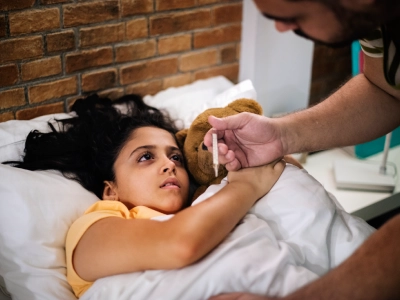
Fever Relief
- Medicines for fever reduction
- Treatment based on underlying cause
- Adequate rest and hydration
- Regular symptom monitoring

Fluid Support
- Oral fluid replacement
- Intravenous fluids when required
- Hydration status monitoring
- Careful fluid balance assessment
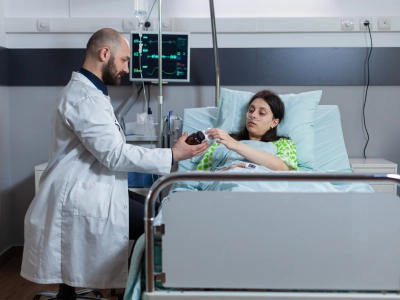
Dengue Monitoring
- Regular platelet count checks
- Monitoring for warning signs
- Assessment of hydration status
- Hospital observation when required

Hospital and Critical Care
- Continuous monitoring for severe dengue
- Intravenous treatment when required
- Support for serious complications
- Critical care when medically necessary
Complications if Left Untreated
Untreated Fevers Can Cause
- Dehydration: Severe fluid and electrolyte loss
- Febrile Seizures: Seizures during sudden fever spikes
- Sepsis: Life-threatening response to infection
- Organ Damage: Kidney, brain, and heart damage
- Chronic Conditions: Heart or lung disease worsens
- Neurological Problems: Confusion, delirium, unconsciousness
Untreated Dengue Fever (DF) Can Cause
- Plasma Leakage: Fluid escapes blood vessels
- Severe Bleeding: Nose, gums, or skin bleeding
- Shock Syndrome: Blood pressure drops dangerously
- Organ Impairment: Liver, heart, kidney damage
- Breathing Problems: Lung fluid causes distress
- Death: Severe untreated dengue can be fatal
Daily Management & Prevention Tips
Management
- Drink adequate fluids regularly
- Get enough rest every day
- Monitor symptoms for warning signs
- Attend recommended medical follow-ups
- Follow your doctor's treatment advice
Prevention
- Prevent mosquito bites consistently
- Remove standing water around homes
- Use mosquito nets when needed
- Wear protective clothing outdoors
- Keep surroundings clean and dry
Frequently Asked Questions
What Is Called A ‘Breakbone Fever’?
“Breakbone fever” is a common name for dengue because severe muscle, joint, bone, and headache pain can make movement extremely uncomfortable during the illness.
How Long Does Dengue Fever Last?
Dengue fever usually lasts 7 to 10 days, though the high-fever phase typically lasts 2 to 7 days.
Can Dengue Occur More Than Once?
A person can develop it more than once because infection with one virus type does not fully protect against other types.
Which body part is most affected by dengue?
Dengue does not affect one specific body part; it primarily affects the blood system, bone marrow, and liver, causing changes that can lead to bleeding and other complications.
Can Fever Always Indicate Dengue?
Fever can result from many infections and illnesses. Dengue becomes more likely when fever occurs with symptoms such as severe headache, body pain, nausea, or rash.