
Advanced Treatment for Neurological Conditions in Kolkata
Home / Treatments / Neurology
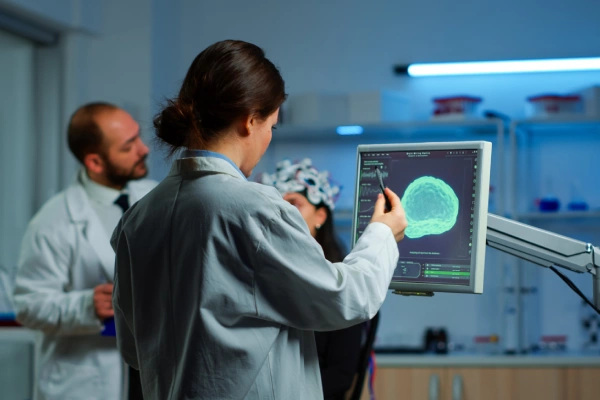
Neurological symptoms can appear suddenly or develop over time. Weakness, seizures, headaches, or changes in memory need timely evaluation to identify the cause.
At Samaritan Medical Surgical & Critical Care, Kolkata, neurological care is supported by early assessment, imaging, and specialist evaluation. This helps in making clear treatment decisions from the beginning.
Both acute conditions, such as stroke, and long-term neurological disorders are managed with structured treatment and regular monitoring. The focus is on stabilising the condition, preventing complications, and improving functional recovery.
Early consultation allows better control of the condition and supports long-term neurological health.
Why Choose Samaritan Medical Surgical & Critical Care?
At Samaritan Medical Surgical & Critical Care, we provide comprehensive healthcare solutions as per your needs. With a team of expert professionals, we focus on delivering compassionate, patient-centred care for optimal well-being.

NABH Certified
Accredited by NABH, ensuring the highest standards of healthcare quality and patient safety.

Surgical Excellence
Our skilled surgeons offer precision care for a wide range of surgical procedures.

Critical Care Support
Providing round-the-clock critical care with advanced equipment and expert medical teams.
Our Doctors

DR. B. C. MOHANTI
Qualifications: BSC(MS, M.Ch (Neuro-Surgery), Specialist in Brain & Spinal surgery
Specialty: NEURO SURGERY
Experience: 28 years
Fees: Rs. 1,200.00
Available Days: WED & FRI
Available Time: 10:30

DR. TAMAJIT CHAKRABORTY
Qualifications: MBBS, DNB
Specialty: NEURO SURGERY
Experience: 13 years
Fees: Rs. 1,700.00
Available Days: THU
Available Time: 13:00 - 14:00

DR. SUBHAMITRA CHOWDHURY
Qualifications: BSC (MS, M.Ch (Neuro-Surgery), Specialist in Brain & Spinal surgery
Specialty: NEURO SURGERY
Experience: 15 years
Fees: Rs. 1,000.00
Available Days: WED & FRI
Available Time: 10:30
DR UDDALOK CHAKRABORTY
Specialty: NEURO MEDICINE
Fees: Rs. 1,000.00
Available Days: BY APPOINTMENT
Available Time: 09:30
DR. ARGHABRATA SINGHA
Qualifications: MBBS, MD, DM NEUROLOGY
Specialty: NEURO MEDICINE
Experience: WED
Fees: Rs. 900.00
Available Days: WED
Available Time: 17:00-19:00
Hear From Our Happy Patients
Very good nursing home.all staff best
I had Laproscopic surgery of gallbladder stone on 23/6/26 & Discharge on 25/6/26. I had wonderful experience in nursing home, Very cooperative staff. Particularly Ms Aditi (Head Sister charge) , she has cooperated very well with Smily face. OT is well equipped with high quality instruments, Dr Mukesh Karia has done wonderful operations.
Very good nursing home
Very Supportive Staff with 24*7 support. Along with Neat and Clean cloths and bed.
Great treatment and recuperation. Doctors nurses and support staff mase it feel like home .
Thakuuuu Samaritan nursing home........and Dr.babuuuu khubbbb valooooo..apnader sakoler babohar khub valo r porisheba khubbb khubbb valo sakol k. Ank ank ank dhannobad ......
Very good nursing home
Very good Treatment here and also staff behaviour has very good
I have admitted my father here twice under Dr Arindam Dutta sir for the DJ stenting and RIRS (Kidney stone) .The entire team of Samaritan was fantastic.Specially Ms Aditi Nandi was so humble and cooperative .She attended us every time and Given all facilities.Through out the admitting time and discharge,all the sisters,brothers,Housekeeping ,ward boy everyone was so polite and well mannered.
Our Advanced Neurology Treatment
Stroke
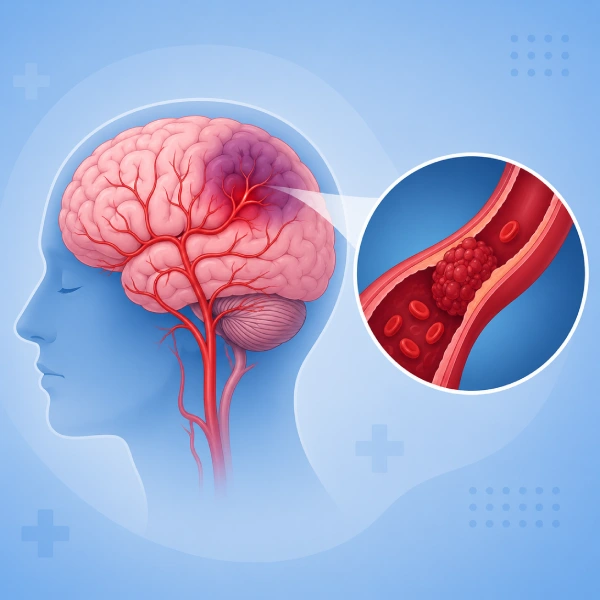
Stroke is a neurological emergency caused by sudden disruption of blood supply to the brain, either due to arterial blockage (ischemic stroke) or intracranial bleeding (hemorrhagic stroke). It presents with an abrupt onset of unilateral weakness, facial drooping, speech impairment, or loss of coordination. Immediate neuroimaging is essential to confirm the diagnosis and guide treatment. Early intervention significantly reduces brain injury, disability, and mortality risk.
Our Treatment Approach Includes:
- Emergency CT or MRI brain imaging
- Thrombolysis for eligible ischemic stroke patients
- Neuro-critical care monitoring and complication control
- Early rehabilitation for motor and speech recovery
Epilepsy
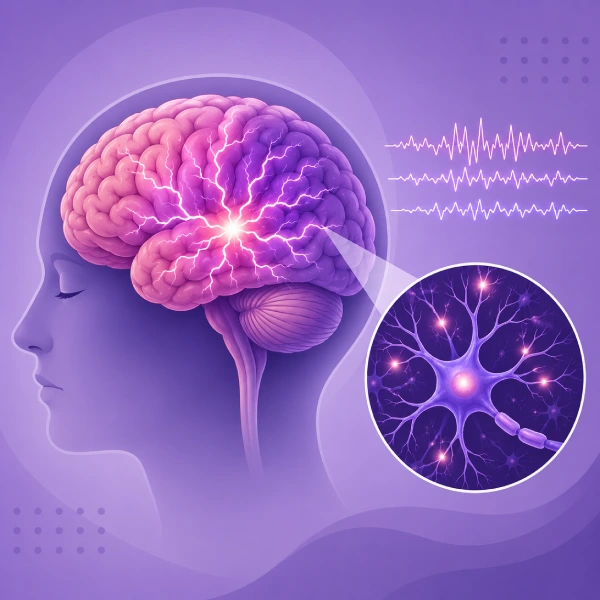
Epilepsy is a chronic neurological disorder characterised by recurrent, unprovoked seizures due to abnormal electrical activity in the brain. Seizure manifestations range from brief lapses in awareness to generalised convulsions. Diagnosis is based on electroencephalography (EEG) and neuroimaging. Long-term management focuses on sustained seizure control, minimising recurrence, and maintaining functional independence.
Our Treatment Approach Includes:
- EEG and neuroimaging for diagnostic evaluation
- Anti-epileptic medication for seizure control
- Management of drug-resistant epilepsy
- Lifestyle modification and trigger identification
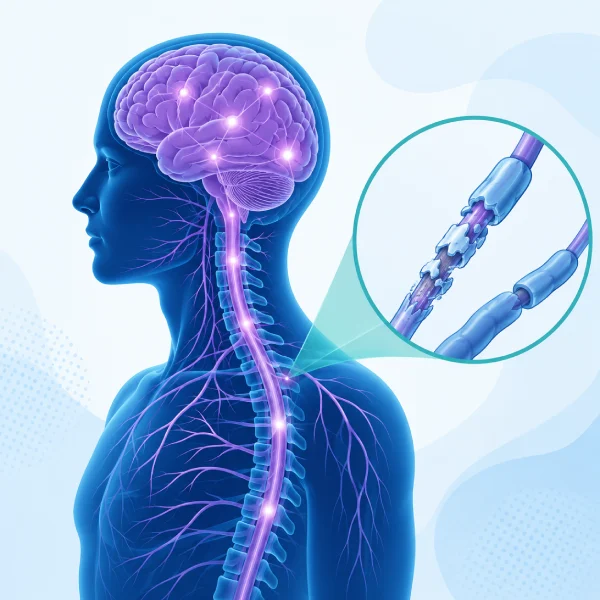
Multiple Sclerosis
Multiple sclerosis (MS) is an autoimmune demyelinating disorder of the central nervous system that disrupts nerve signal transmission. It presents with symptoms such as visual disturbances, limb weakness, sensory changes, and coordination impairment. Diagnosis involves MRI of the brain and spinal cord, along with clinical correlation. The disease course may be relapsing or progressive, requiring ongoing neurological care.
Our Treatment Approach Includes:
- MRI-based diagnosis and disease monitoring
- Disease-modifying immunotherapy
- Management of acute relapses
- Rehabilitation for mobility and functional support
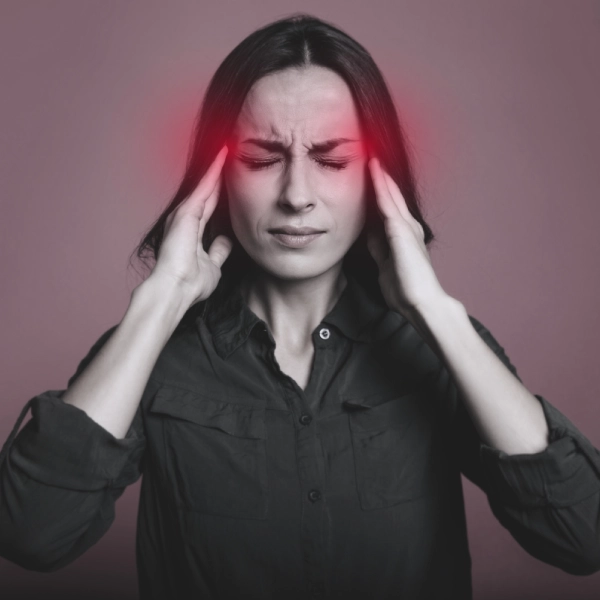
Headaches/Migraines
Headaches and migraines are common neurological conditions involving recurrent head pain, often associated with nausea, photophobia, and sensory disturbances. Migraines may be episodic or progress to chronic forms. Diagnosis is primarily clinical, with imaging used to exclude secondary causes. Identifying triggers and attack patterns is essential for effective long-term management.
Our Treatment Approach Includes:
- Clinical evaluation and trigger identification
- Acute pain relief therapy
- Preventive treatment for frequent migraines
- Lifestyle and stress management strategies
Neuropathy
Neuropathy is a condition involving damage to peripheral nerves, leading to symptoms such as numbness, tingling, burning sensations, or muscle weakness. It is commonly linked to diabetes, vitamin deficiencies, infections, and exposure to toxins. Diagnosis typically includes nerve conduction studies and targeted laboratory tests. Early identification and cause-specific management are essential to slow progression and improve nerve function.
Our Treatment Approach Includes:
- Nerve conduction studies and diagnostic workup
- Management of underlying causes such as diabetes
- Neuropathic pain control therapy
- Nutritional support and nerve function optimisation

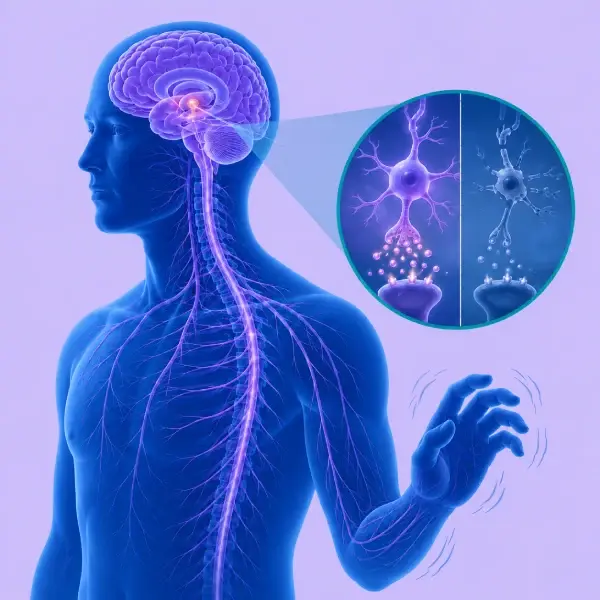
Parkinson's Disease
Parkinson’s disease is a progressive neurodegenerative disorder caused by dopamine deficiency in the brain, leading to impaired movement and coordination. It presents with tremors, rigidity, bradykinesia, and postural instability. Diagnosis is primarily clinical, based on neurological examination. Long-term management is required to maintain mobility and functional independence.
Our Treatment Approach Includes:
- Dopaminergic medication therapy
- Physiotherapy and mobility training
- Balance and gait rehabilitation
- Continuous neurological monitoring
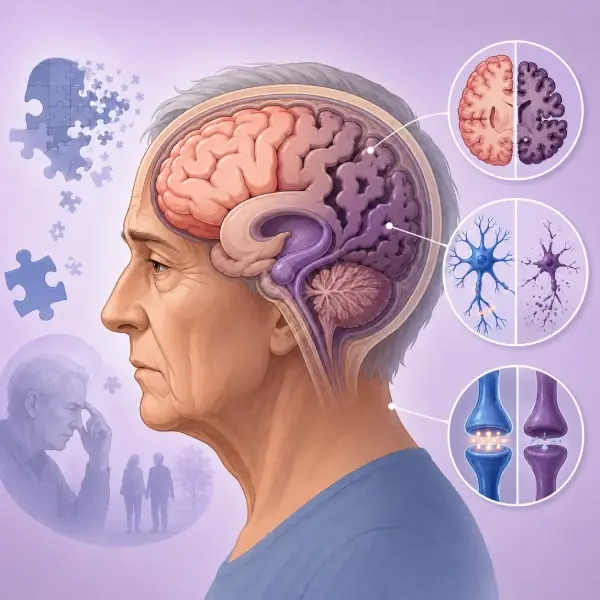
Alzheimer's Disease
Alzheimer’s disease is a progressive neurodegenerative condition characterised by memory loss, cognitive decline, and behavioural changes. It primarily affects older adults and gradually interferes with daily functioning. Diagnosis involves a structured cognitive assessment and clinical evaluation. Early detection supports better symptom control and long-term care planning.
Our Treatment Approach Includes:
- Cognitive assessment and diagnostic evaluation
- Medications to support memory and cognition
- Behavioural and psychological symptom management
- Long-term care planning and caregiver support
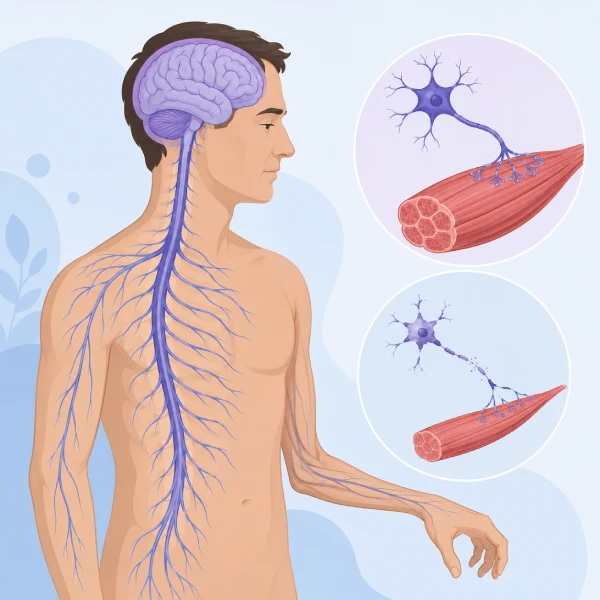
ALS
Amyotrophic Lateral Sclerosis (ALS) is a progressive motor neuron disease that leads to muscle weakness, paralysis, and loss of voluntary control. It affects nerve cells responsible for muscle movement and gradually impacts respiratory function. Diagnosis is based on clinical assessment and electrophysiological studies. The condition requires multidisciplinary supportive care.
Our Treatment Approach Includes:
- Neurological and electrophysiological evaluation
- Disease-modifying and supportive therapy
- Respiratory monitoring and intervention
- Nutritional and rehabilitation support
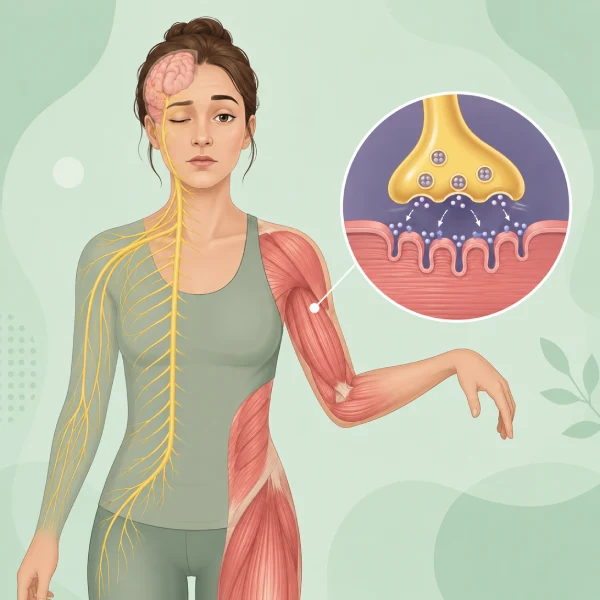
Myasthenia Gravis
Myasthenia gravis is an autoimmune neuromuscular disorder characterised by fluctuating muscle weakness due to impaired nerve-muscle transmission. It commonly affects ocular, facial, and swallowing muscles. Symptoms worsen with activity and improve with rest. Diagnosis includes antibody testing and electrophysiological studies. Early treatment helps improve strength and prevent complications.
Our Treatment Approach Includes:
- Antibody testing and diagnostic evaluation
- Anticholinesterase medication therapy
- Immunosuppressive treatment
- Thymectomy in selected patients
Brain Tumours
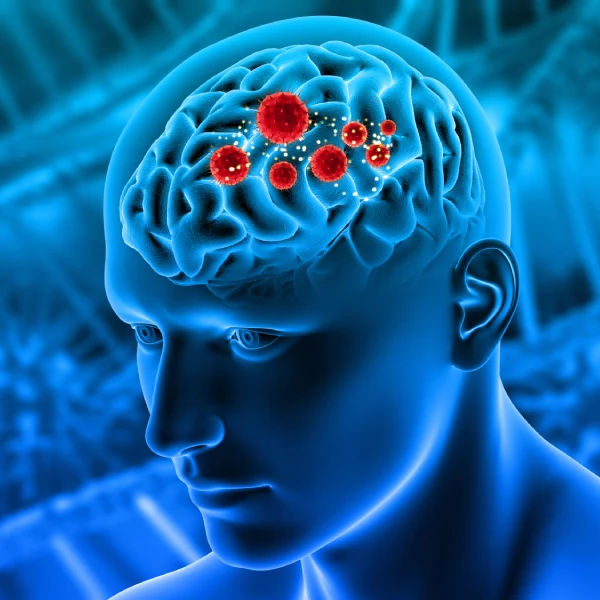
Brain tumours are abnormal growths within the brain that may be benign or malignant. Symptoms depend on tumour size and location and may include headaches, seizures, or focal neurological deficits. Diagnosis involves MRI imaging and histopathological confirmation. Early detection allows precise treatment planning and preservation of neurological function.
Our Treatment Approach Includes:
- Advanced MRI imaging and tumour localisation
- Surgical tumour resection
- Radiotherapy and chemotherapy, when indicated
- Post-treatment monitoring and rehabilitation
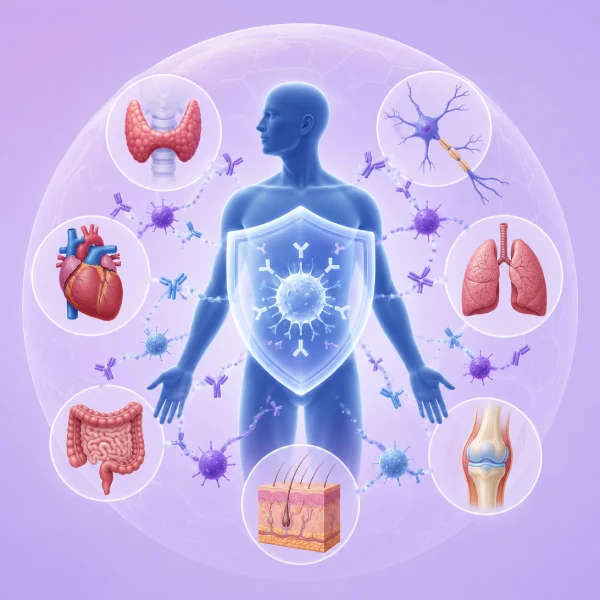
Autoimmune Disorders
Neurological autoimmune disorders occur when the immune system attacks components of the nervous system, causing inflammation and functional impairment. These conditions may affect the brain, spinal cord, or peripheral nerves. Diagnosis involves antibody testing, imaging, and clinical evaluation. Early intervention is essential to control inflammation and prevent long-term neurological damage.
Our Treatment Approach Includes:
- Autoimmune antibody testing and evaluation
- Immunotherapy and inflammation control
- Symptom-specific neurological management
- Long-term monitoring and relapse prevention
Frequently Asked Questions
Find answers to common questions to help you better understand the condition and general concerns.
Could sudden slurring of speech or loss of balance be a neurological emergency?
Yes. These symptoms can indicate an acute brain event such as a stroke. Immediate imaging is required to confirm the cause, and early treatment significantly reduces the risk of permanent damage.
Do all seizure episodes require long-term medication?
Not necessarily. A single episode is evaluated with EEG and imaging before deciding on treatment. Long-term medication is started only if there is a confirmed risk of recurrence or an established seizure disorder.
Why does numbness in the hands or feet persist despite basic treatment?
Persistent symptoms usually indicate underlying nerve involvement. Detailed evaluation through nerve conduction studies and metabolic testing helps identify the cause and guide targeted therapy.
How do doctors decide whether a headache needs further investigation?
Red flags such as increased frequency, worsening severity, early-morning symptoms, or associated neurological signs prompt further evaluation, including imaging, to rule out secondary causes.
Is a gradual memory decline always related to ageing?
Not always. When memory issues begin to interfere with routine activities, a structured cognitive assessment is required to differentiate normal ageing from neurological conditions requiring treatment.