
Advanced Cancer Surgery and Onco‑Surgical Care in Kolkata

Cancer symptoms are often silent in the beginning, but waiting too long can make treatment more complex. Persistent lumps, unexplained weight loss, abnormal bleeding, breathing difficulty, or long-term bowel changes deserve timely medical attention
At Samaritan Medical Surgical & Critical Care, Kolkata, surgical oncology treatment focuses on early cancer detection, accurate tumour staging, and advanced oncologic surgery supported by evidence-based treatment protocols and multidisciplinary clinical expertise.
The department provides organ-specific cancer surgery, tumour resection procedures, lymphatic spread assessment, and structured post-operative cancer care with patient-focused surgical planning and long-term recovery management.
Why Choose Samaritan Medical Surgical & Critical Care?
At Samaritan Medical Surgical & Critical Care, we provide comprehensive healthcare solutions as per your needs. With a team of expert professionals, we focus on delivering compassionate, patient-centred care for optimal well-being.

NABH Certified
Accredited by NABH, ensuring the highest standards of healthcare quality and patient safety.

Surgical Excellence
Our skilled surgeons offer precision care for a wide range of surgical procedures.

Critical Care Support
Providing round-the-clock critical care with advanced equipment and expert medical teams.
Our Doctors

DR. KAKOLI CHOWDHURY
Qualifications: MBBS, MD(RADIO THERAPHY)
Specialty: ONCO MEDICINE
Experience: 12 years
Fees: Rs. 1,100.00
Available Days:THU & SAT
Available Time: 13:30-15:00
DR. KALYAN DAS
Qualifications: MBBS, MS, DNB, MRCS, M.Ch - Plastic Surgery
Specialty: PLASTIC SURGEON
Experience: 10 years
Fees: Rs. 1,200.00
Available Days: SAT
Available Time:12:00 - 12:30

DR. DEBASISH CHATTERJEE
Specialty: GENERAL AND ONCO SURGEON
Fees: Rs. 1,200.00
Available Days: THU & SAT
Available Time: 17:00-18:00

DR. MD GHULAM JEELANI NAIYER
Qualifications: MBBS, MS - GENERAL SURGERY, MCH - PLASTIC SURGERY
Specialty: PLASTIC SURGEON
Experience: 24 years
Fees: Rs. 1,700.00
Available Days: BY APPOINTMENT
Available Time: By Appointment
DR. MONORANJAN SAW
Qualifications: MBBS(Cal), M.S. (General Surgery), M.Ch (Plastic & Reconstructive Surgery)
Specialty: PLASTIC SURGEON
Experience: 12 years
Fees: Rs. 1,000.00
Available Days: BY APPOINTMENT
Available Time: By Appointment
DR. RUDRADIP BANERJEE
Qualifications: MS.(GEN.SURG), D.N.B(GEN.SURG) MRCS
Specialty: GENERAL AND ONCO SURGEON
Experience: 8 years
Fees: Rs. 1,000.00
Available Days: BY APPOINTMENT
Available Time: BY APPOINTMENT
DR. PRATIJYOTI GHOSH
Qualifications: MBBS, DNB, CCEPC
Specialty: GENERAL AND ONCO SURGEON
Fees: Rs. 900.00
Available Days: BY APPOINTMENT
Available Time: BY APPOINTMENT
Hear From Our Happy Patients
Very good nursing home.all staff best
I had Laproscopic surgery of gallbladder stone on 23/6/26 & Discharge on 25/6/26. I had wonderful experience in nursing home, Very cooperative staff. Particularly Ms Aditi (Head Sister charge) , she has cooperated very well with Smily face. OT is well equipped with high quality instruments, Dr Mukesh Karia has done wonderful operations.
Very good nursing home
Very Supportive Staff with 24*7 support. Along with Neat and Clean cloths and bed.
Great treatment and recuperation. Doctors nurses and support staff mase it feel like home .
Thakuuuu Samaritan nursing home........and Dr.babuuuu khubbbb valooooo..apnader sakoler babohar khub valo r porisheba khubbb khubbb valo sakol k. Ank ank ank dhannobad ......
Very good nursing home
Very good Treatment here and also staff behaviour has very good
I have admitted my father here twice under Dr Arindam Dutta sir for the DJ stenting and RIRS (Kidney stone) .The entire team of Samaritan was fantastic.Specially Ms Aditi Nandi was so humble and cooperative .She attended us every time and Given all facilities.Through out the admitting time and discharge,all the sisters,brothers,Housekeeping ,ward boy everyone was so polite and well mannered.
Our Surgical Oncology Procedures
Mastectomy
Mastectomy is a surgical oncology procedure performed to remove breast tissue affected by breast cancer or advanced malignant breast disease. Depending on tumour size, cancer staging, and lymph node involvement, surgery may involve total, modified radical, or skin-sparing mastectomy techniques.
Our surgical oncologists focus on complete tumour removal while preserving chest wall stability and reducing the risk of recurrence. Post-surgical management includes wound care, pathological assessment, cancer surveillance, and rehabilitation support for long-term breast cancer recovery.
Breast Cancer Surgical Care Includes
- Breast tumour removal procedures
- Axillary lymph node assessment
- Post-mastectomy recovery support
- Oncologic surgical planning

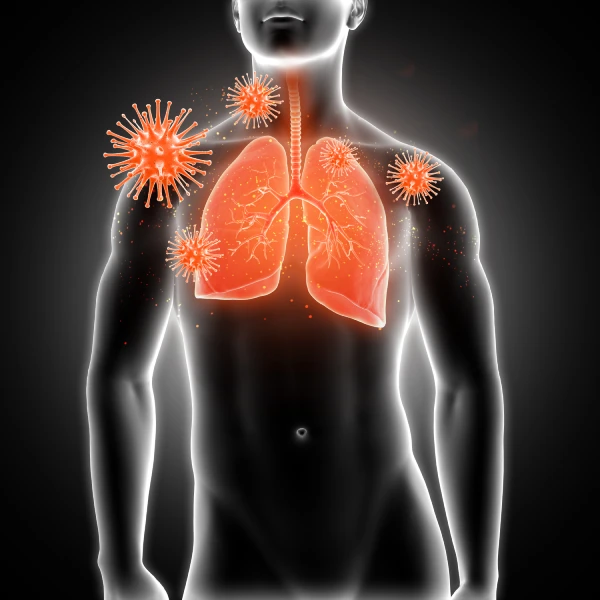
Lobectomy
Lobectomy is commonly performed for lung cancer affecting a specific lobe of the lung. The procedure involves surgical removal of the affected lung lobe while preserving surrounding healthy lung tissue whenever possible. Thoracic oncology surgeons evaluate tumour size, airway involvement, respiratory function, and lymphatic spread before surgery.
Minimally invasive thoracic surgery techniques may be considered based on tumour location and patient condition. Post-operative management focuses on respiratory recovery, lung function monitoring, and the prevention of surgical complications.
Lung Cancer Surgical Management Includes
- Cancerous lung lobe removal
- Thoracic tumour assessment
- Respiratory function evaluation
- Post-lobectomy recovery care
Colectomy
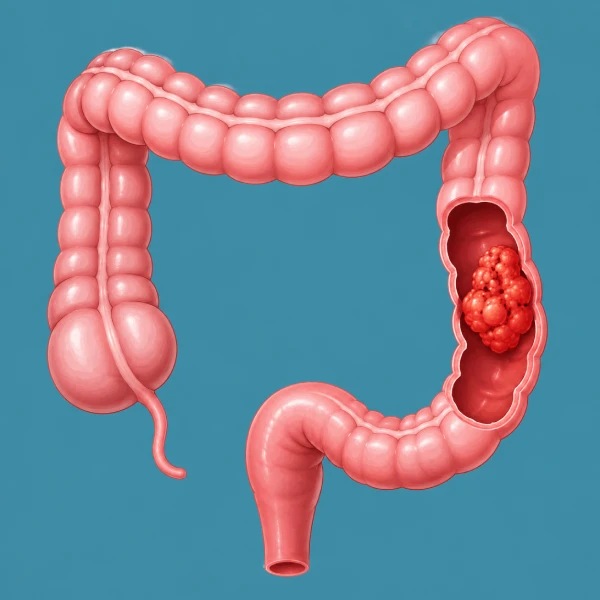
Colectomy is performed to treat colon cancer, colorectal malignancies, bowel obstruction, and tumour-related intestinal disease. The procedure involves removing the affected section of the colon while maintaining bowel continuity whenever feasible. Surgical oncology specialists assess tumour location, intestinal involvement, and regional lymph node spread before planning surgery.
Depending on the extent of the disease, partial or total colectomy may be required. Post-operative care focuses on bowel function recovery, nutritional management, and monitoring for surgical complications.
Colorectal Cancer Surgery Includes
- Colon tumour removal surgery
- Large bowel cancer treatment
- Lymph node evaluation procedures
- Digestive recovery monitoring
Prostatectomy
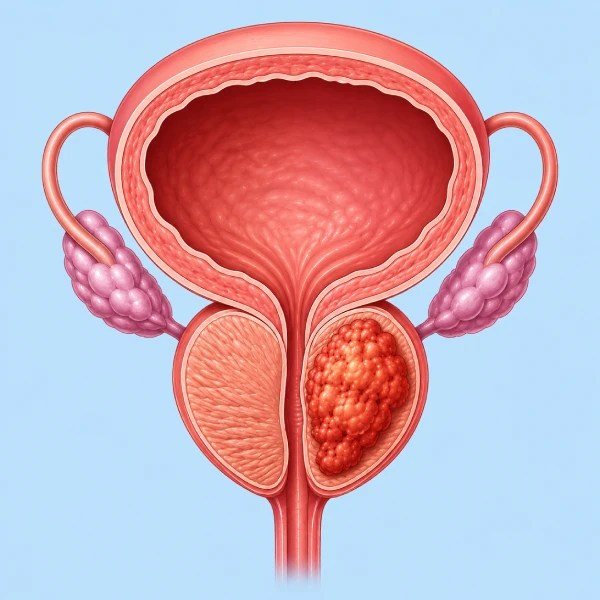
Prostatectomy is a surgical procedure performed for localised or advanced prostate cancer involving the prostate gland and surrounding tissues. Depending on cancer staging and tumour spread, surgery may involve partial or radical prostate removal. Oncology surgeons assess PSA levels, imaging findings, urinary function, and pelvic involvement before treatment planning.
Minimally invasive and laparoscopic surgical techniques may be recommended for selected patients. Recovery management focuses on urinary function monitoring, cancer surveillance, and post-surgical pelvic health support.
Prostate Cancer Surgical Care Includes
- Radical prostate removal surgery
- PSA and tumour assessment
- Minimally invasive surgical techniques
- Post-operative urinary monitoring
Hysterectomy
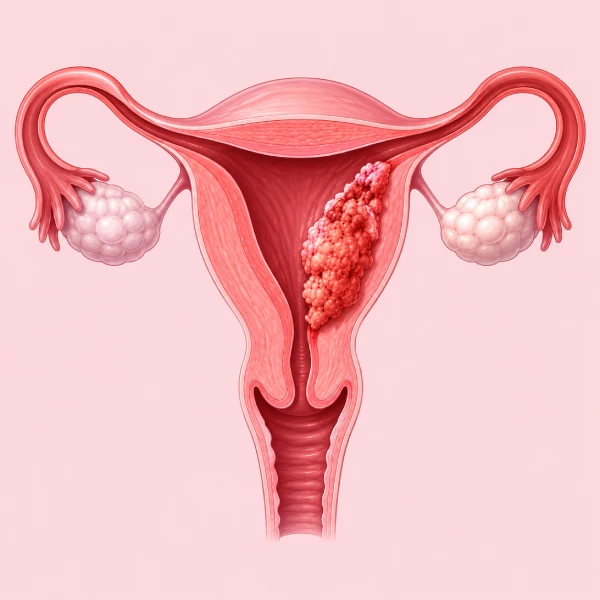
Hysterectomy is performed for uterine cancer, cervical cancer, ovarian malignancy, and other cancer-related pelvic conditions affecting the female reproductive organs. The procedure may involve the removal of the uterus along with surrounding reproductive structures, depending on tumour spread and pathological findings.
Our gynaecologic oncology specialists assess pelvic imaging, biopsy results, lymphatic involvement, and cancer staging before surgery. Post-operative management focuses on recovery monitoring, infection prevention, pain management, and long-term oncologic follow-up care.
Gynaecologic Oncology Procedures Include
- Uterine and cervical cancer surgery
- Pelvic tumour assessment
- Minimally invasive hysterectomy options
- Post-surgical recovery management
Lymph Node Dissection
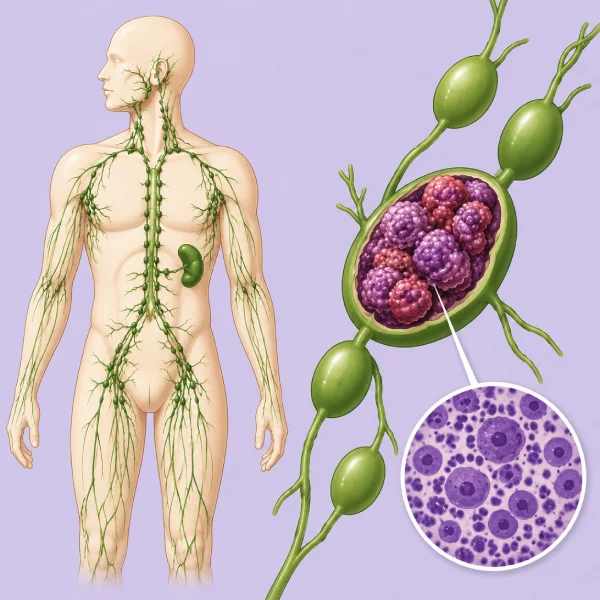
Lymph node dissection is performed to identify and remove lymph nodes affected by metastatic cancer spread. The procedure plays an important role in cancer staging, pathological evaluation, and treatment planning in breast cancer, gastrointestinal malignancies, pelvic cancers, and head and neck tumours.
Our surgical oncology teams evaluate lymphatic pathways and surrounding tissue involvement before surgery. The procedure supports accurate staging and guides further chemotherapy or radiation therapy recommendations after oncologic surgery.
Lymphatic Cancer Evaluation Includes
- Metastatic lymph node assessment
- Cancer staging procedures
- Surgical removal of affected nodes
- Post-operative lymphatic monitoring
Frequently Asked Questions
Find answers to common questions to help you better understand the condition and general concerns.
Can a painless lump still be a sign of cancer?
Yes. Certain cancerous growths may develop without pain during the early stages, particularly in the breast, neck, or soft tissues. Persistent or enlarging lumps should always be medically evaluated for accurate diagnosis.
When should long-term bowel habit changes be medically evaluated?
Persistent constipation, loose stools, blood in stool, or unexplained abdominal discomfort may require further colorectal assessment. Symptoms lasting several weeks should not be ignored, especially when associated with fatigue or weight loss.
Can prostate cancer develop without noticeable urinary symptoms?
Yes. Early-stage prostate cancer may remain symptom-free and is often identified through PSA testing, imaging studies, or routine medical screening. Delayed diagnosis can increase the risk of disease progression beyond the prostate gland.
Is breathing difficulty always related to lung disease alone?
No. Tumours affecting the chest cavity, airway passages, or nearby tissues may also interfere with normal breathing function. Persistent shortness of breath should be clinically evaluated to identify the underlying cause.
Why is early cancer diagnosis important before surgery?
Early diagnosis may improve tumour removal success, reduce disease spread, and support better long-term recovery outcomes. Timely surgical intervention can also help preserve the function of surrounding organs and reduce treatment complexity.