

Migraine Treatment in Kolkata
Home / Treatments / Neurology & Neurosurgery / Headache & migraine
Quick Answers
Is migraine just a severe headache?
No. It is a complex neurological disease with full-body manifestations.
Can migraines be treated?
Yes. The approach depends on attack frequency, severity, associated symptoms and individual health factors.
Can one have a migraine without a headache?
Yes, often called a silent migraine, it affects 4%–5% of people who experience episodes.
When to see a doctor for headaches?
Get checked when headaches become frequent, severe, different from your usual pattern, or interfere with daily activities.
What Is a Migraine?
Migraine is a neurological disorder that can cause recurring attacks of moderate to severe head pain, commonly accompanied by nausea and sensitivity to light or sound. Some people also experience aura, such as temporary visual disturbances, tingling, numbness or speech difficulty.
Key points:
- Sufferers have 4× higher depression-anxiety risk
- “Sinus headaches” are often migraines
- Rebound headaches happen from
- Untreated attacks can last 4 to 72 hours.
Types of Migraine Headaches
Without Aura
Throbbing head pain occurs without visual, sensory, or other warning symptoms beforehand.
With Aura
Visual disturbances, tingling, or speech changes may develop before head pain.
Chronic
Headache occurs 15 or more days monthly for at least three months.
Hemiplegic
Temporary weakness or paralysis on one side can accompany neurological symptoms.
Vestibular
Dizziness, vertigo, balance problems, and motion sensitivity are common symptoms during attacks.
Retinal
Temporary vision loss or flashing lights affect one eye before the headache.
Silent (Acephalgic)
Aura symptoms, nausea, or sensory changes occur without accompanying head pain.
Abdominal
Abdominal pain, nausea, vomiting, and appetite loss occur instead of headache.
Menstrual
Attacks occur around menstruation, often influenced by changing oestrogen levels.
Symptoms Of Migraines
Common Migraine Symptoms
- Prodrome: fatigue, cravings, frequent yawning
- Aura: visual disturbances, tingling, blind spots
- Headache: throbbing, one-sided pain, nausea
- Postdrome: fatigue, tiredness, feeling washed-out
Migraine Red Flags
- Thunderclap headache: sudden, severe, rapidly peaking
- Fever, stiff neck: possible serious infection
- Neurological changes: weakness, numbness, confusion, speech
- Post-trauma headache: sudden pain after injury
- " Thunderclap" pain, onset after age 50
Why Choose Samaritan Medical Surgical & Critical Care?
At Samaritan Medical Surgical & Critical Care, we provide comprehensive healthcare solutions as per your needs. With a team of expert professionals, we focus on delivering compassionate, patient-centred care for optimal well-being.

NABH Certified
Accredited by NABH, ensuring the highest standards of healthcare quality and patient safety.

Surgical Excellence
Our skilled surgeons offer precision care for a wide range of surgical procedures.

Critical Care Support
Providing round-the-clock critical care with advanced equipment and expert medical teams.
Our Doctors
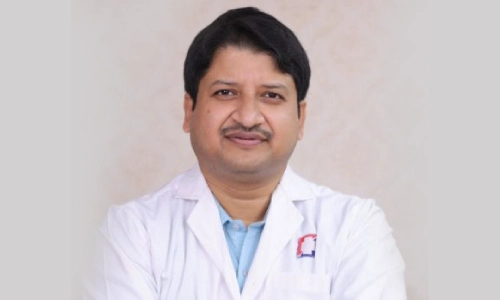
DR. SOMAK DAS
Qualifications: MBBS, MS(GEN.SURG.) DNB(GASTRO.SURG), MCH
Specialty: GASTRO SURGEON
Fees: Rs. 1,200.00
Available Days: MON, WED & FRI
Available Time: BY APPOINTMENT
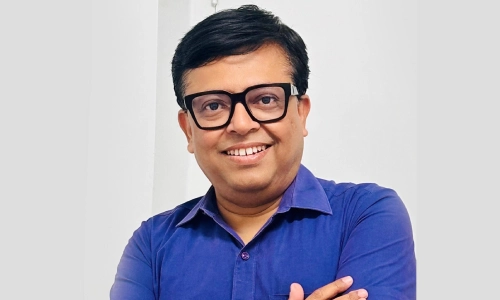
DR. D. K. SARKAR
Qualifications: MBBSMS, DNB FRCS, (GOLD), FFSTED
Specialty: GENERAL SURGEON
Fees: Rs. 1,550.00
Available Days: MON, WED,THU & SAT
Available Time: MON WED,THU-16:00 & SAT-15:00

DR. RUDRADEEP BANERJEE
Qualifications: MS.(GEN.SURG), D.N. BMRCS
Specialty: GENERAL SURGEON
Fees: Rs. 1,000.00
Available Days: BY APPOINTMENT
Available Time: BY APPOINTMENT
DR. RANAJOY DUTTA
Qualifications: MBBS, M.S D.N.B
Specialty: GENERAL SURGEON
Fees: Rs. 1,200.00
Available Days: WED, SAT
Available Time: 17:00 - 18:00 PM
DR. ACHINTA KR DAS
Qualifications: MBBS, MS
Specialty: GENERAL SURGEON
Fees: Rs. 1,200.00
Available Days: BY APPOINTMENT
Available Time:BY APPOINTMENT
DR. SAMRIDDHI PODDAR
Qualifications: MBBS(HONS), MS(SURGERY), WBUHS NRSMCH
Specialty: GENERAL SURGEON
Fees: Rs. 1,000.00
Available Days: TUE & WED
Available Time: TUE 16:30-17:30 & WED 18:00-19:00
DR . B . B . BARAI
Qualifications: MBBS, DNB, PG DGM, CCEBDM
Specialty: GENERAL SURGEON
Fees: Rs. 1,200.00
Available Days: MON /FRIDAY
Available Time: 11:00-13:00
DR. SAPTARSHI KUNDU
Qualifications: MBBS, MS (GEN SUR)
Specialty: GENERAL SURGEON
Fees: Rs. 700.00
Available Days: BY APPOINTMENT
Available Time: BY APPOINTMENT
DR. MAINAK PAL
Qualifications: MBBS, MS, FMAS(GEN.SURG)
Specialty: GENERAL SURGEON
Fees: Rs. 1,000.00
Available Days: MON -FRI
Available Time: 17:00-18:00
DR. SUKANTA ROY
Qualifications: MBBS, MS(GASTO)
Specialty: GASTRO SURGEON
Fees: Rs. 1,000.00
Available Days: BY APPOINTMENT
Available Time: BY APPOINTMENT

DR. UDDIPTA DUTTA
Specialty: GASTRO SURGEON
Fees: Rs. 900.00
Available Days: BY APPOINTMENT
Available Time: BY APPOINTMENT
Hear From Our Happy Patients
Very good nursing home. All staff good.
A really good hospital with good critical and surgical care. Staffs are very cooperative..
Here the service are very good। Very good hospital
very good nursing home
Nurse didi gulo khub bhalo all staff bhalo 100.90% bhalo
Are good nursing hom varehalp pol anepplamkontak stap vare Good
Good experience All facilities is good
Best hospital Very good facility
Doctors, Nursing staff, other staff are very good, everything is good, only few accommodation issue is not adjustable.
Liked the place...staffs...sisters all helpful...and special thanks to my doctor..Doctor Sukanta Ray...he is next to God to me
Liked the place...staffs...sisters all helpful...and special thanks to my doctor..Doctor Sukanta Ray...he is next to God to me
Individuals at Higher Risk for Frequent Migraine Problems
| Groups | Risk Factors |
|---|---|
| With family history | Higher migraine susceptibility |
| Females with hormonal shifts | Increased migraine risk |
| Teenagers and young adults | Migraines commonly begin during adolescence |
| In their 30s | Migraine frequency often peaks |
| With depression or anxiety | Higher migraine risk |
| With sleep disorders | Higher migraine susceptibility |
| With epilepsy | Increased migraine risk |
| Using tobacco regularly | May worsen migraine frequency |
| With high caffeine intake | May worsen migraine frequency |
Migraine Patterns, Diagnosis & Treatment Approach
| Migraine Type | Core Symptoms | Diagnosis Method | First-Line Treatment | Advanced Care Option |
|---|---|---|---|---|
| Common Episodes | Throbbing pain, nausea, light sensitivity | Clinical assessment | OTC pain relievers, triptans | Daily preventive medication |
| With Aura | Visual flashes, tingling, throbbing pain | Neurological review | Triptans, CGRP inhibitors | Neuromodulation devices |
| Chronic | Headache ≥15 days monthly, 3+ months | Headache diary analysis | Lifestyle changes, triptans | Botox, CGRP monoclonal antibodies |
| Medication-Overuse Episodes | Rebound headaches from frequent painkiller use | Medication history review | Supervised withdrawal | Bridge therapy, new preventives |
| Vestibular | Dizziness, vertigo, balance problems | Neuro-otologic examination | Vestibular suppressants | Targeted lifestyle, preventive treatment |
How Are Migraine & Headaches Evaluated?
Headache history, symptoms, duration, and frequency assessment.
Pain location and severity assessment
Aura symptom assessment
Trigger identification
Medication history review
Family history assessment
Headache diary review
Blood pressure assessment
Neurological examination
MRI or CT when indicated
ICHD-3 diagnostic criteria
What Treatments Are Available For Migraine
There is no permanent cure for migraines, but you can manage and treat attacks effectively, reduce their frequency and severity, and improve your quality of life with appropriate treatment.
Over-the-counter pain relievers
Triptans
Gepants
Ditans
Anti-nausea medications
Beta-blockers
Antidepressants
Anti-seizure medications
Botulinum toxin injections
CGRP monoclonal antibodies
Migraine Treatment: What to Expect?
Before
- Review medical history and symptoms.
- Plan preventive and rescue treatments.
- Track triggers using a headache diary.
- Review current medicines and supplements.
- Complete a neurological examination when needed.
During
- Take prescribed medicines early during attacks.
- Rest in a dark, quiet room.
- Use compresses and stay hydrated.
- Check whether symptoms match migraine.
- Arrange further tests when needed.
After
- Fatigue may continue for two days.
- Rest and gradually resume daily activities.
- Review treatment response during follow-ups.
- Avoid frequent use of pain medicines.
- Review treatment if episodes remain frequent.
Benefits of Migraine Treatment
- Provides faster pain relief
- Reduces nausea and related symptoms
- Restores normal daily activities
- Reduces attack frequency over time
- Lowers risk of chronic progression
- Makes attacks more predictable
- Reduces reliance on pain medicines
- Helps manage stress and triggers
- Improves symptom awareness and self-management
- May reduce treatment-related side effects
Recovery After Migraine Treatment
First 24–48 hours: Postdrome symptoms gradually improve.
Weeks 1–2: Swelling and tenderness gradually decrease.
Weeks 2–4: Resume work and light activities.
Months 1–3: Nerve healing and long-term relief develop.
Complications If Migraine & Headaches Are Not Properly Managed
- Status migrainosus lasting over 72 hours
- Medication-overuse headaches from painkillers
- Migrainous infarction causing permanent brain damage
- Depression, panic disorder, and anxiety
- Serotonin syndrome from drug interactions
- Increasing frequency of migraine attacks
- Disrupted work and daily activities
- Sleep disturbance and persistent fatigue
- Reduced concentration and productivity
- Delayed diagnosis of headache disorders
- Delayed recognition of serious causes
Post-Treatment Daily Management & Prevention Tips
Management
- Rest adequately during recovery.
- Rehydrate with water and electrolytes.
- Eat light, easily digestible meals.
- Manage residual pain appropriately.
- Maintain consistent sleep and meals.
- Track symptoms and potential triggers.
- Practise daily stress management.
- Exercise regularly at moderate intensity.
Prevention
- Consider preventive medicines for frequent attacks.
- Consider Botox or neuromodulation (t-SNS) when medicines fail.
- Identify and avoid personal triggers.
- Limit bright lights and sensory overload.
Frequently Asked Questions
Can migraines occur without head pain?
Yes. Some people experience nausea, vomiting, light or sound sensitivity, and neurological symptoms without significant headache during an episode.
Can exercise help prevent migraine attacks?
Yes. Regular moderate physical activity may reduce episodes and improve control. However, sudden intense exertion can trigger symptoms in some people.
Is brain imaging needed for migraines?
No. Diagnosis usually relies on medical history, symptoms, and physical examination. Scans are considered when warning signs suggest another underlying condition.
Can food choices or caffeine help relieve migraines?
Yes. Small caffeine amounts may help some people, while excessive intake or sudden withdrawal can trigger rebound symptoms. No universal diet works for everyone.
Are women more likely to develop migraines?
Yes. Women are about three times more likely to experience them, partly because hormonal fluctuations can influence attacks. Millions of men also experience this neurological condition.