
Erectile Dysfunction Treatment in Kolkata
Home / Treatments / Urology / Erectile Disfunction
Quick Answers
Is erectile dysfunction treatable?
Yes. Most cases improve with medicines, lifestyle changes, counselling, procedures, or surgery.
Is surgery always required for erectile dysfunction?
No. Surgery depends on the cause, severity, response to treatment, and suitability.
Can erectile dysfunction become serious?
Yes. Persistent erectile dysfunction may indicate underlying cardiovascular, hormonal, neurological, or metabolic conditions.
When should someone seek medical care?
Seek care for persistent erection difficulties, reduced sexual function, pain, or sudden changes.
What Is Erectile Dysfunction (ED)?
ED, also known as impotence, is the ongoing inability to get or maintain an erection firm enough for sexual activity.
Key points:
- Difficulty achieving an erection may develop
- Maintaining an erection can become difficult
- Erectile firmness may be reduced
- Changes in sexual function may occur
Types of Erectile Dysfunction (ED)
Vascular
Damaged or narrowed blood vessels reduce blood flow needed to achieve firm erections.
Neurogenic
Nerve damage can interrupt signals between the brain and penis, affecting erections.
Hormonal
Low testosterone or thyroid abnormalities can disrupt sexual function and erection quality.
Psychogenic
Stress, anxiety, depression, relationship issues, or performance pressure can interfere with erections.
Symptoms of Erectile Dysfunction (ED)
Common Symptoms
- Difficulty achieving an erection
- Difficulty maintaining an erection
- Reduced erectile firmness
- Reduced sexual confidence
- Reduced sexual desire
- Unsatisfactory sexual performance
Red Flags (Seek Immediate Medical Care)
- Sudden severe penile pain
- Sudden erectile loss with neurological symptoms
- Penile injury with severe pain
- Blood in urine or semen
- New penile or testicular swelling
- Severe symptoms after significant genital injury
Why Choose Samaritan Medical Surgical & Critical Care?
At Samaritan Medical Surgical & Critical Care, we provide comprehensive healthcare solutions as per your needs. With a team of expert professionals, we focus on delivering compassionate, patient-centred care for optimal well-being.

NABH Certified
Accredited by NABH, ensuring the highest standards of healthcare quality and patient safety.

Surgical Excellence
Our skilled surgeons offer precision care for a wide range of surgical procedures.

Critical Care Support
Providing round-the-clock critical care with advanced equipment and expert medical teams.
Our Doctors

DR. AMLAN CHAKRABORTY
Qualifications: MBBS, MS, FRCS (Urology)
Specialty: Urology
Experience: 23 years
Fees: Rs. 1,700.00
Available Days: TUE,THURS & SAT(BY APPOINTMENT)
Available Time: 12:00 - 13:00 (BY APPOINTMENT)

DR. PRAMOD KUMAR SHARMA
Qualifications: MBBS,MS
Specialty: Urology
Experience: 21 years
Fees: Rs. 1,200.00
Available Days: BY APPOINTMENT
Available Time: By Appointment

DR. NILANJAN MITRA
Qualifications: MBBS, MS (Gen. Surg.), MCh (Urology)
Specialty: Urology
Experience: 19 years
Fees: Rs. 1,200.00
Available Days:TUE & THURS
Available Time: 8:30 - 10:30
DR. SMARANJIT CHATTERJEE
Qualifications: MBBS, MS, DNB, Mch
Specialty: Urology
Experience: 18 years
Fees: Rs. 1,200.00
Available Days: BY APPOINTMENT
Available Time: BY APPOINTMENT

DR. SOUVIK CHATTERJEE
Qualifications: MBBS, MS (Gen. Surg.), DNB, MCh (Urology)
Specialty: Urology
Experience: 16 years
Fees: Rs. 1,000.00
Available Days: WED, SAT
Available Time: WED: 15:00 - 16:00, SAT: 09:30 - 10:30

DR. SUBHOJIT MALAKAR
Qualifications: MBBS, MS (Gen. Surg.), DNB, MCh (Urology)
Specialty: Urology
Experience: 15 years
Fees: Rs. 1,000.00
Available Days: BY APPOINTMENT
Available Time: BY APPOINTMENT
DR. SUNIRMAL CHOWDHURY
Qualifications: MBBS, MS, IPGMER (HOD)
Specialty: Urology
Experience: 20 years
Fees: Rs. 1,200.00
Available Days: BY APPOINTMENT
Available Time: By Appointment
Hear From Our Happy Patients
Very good nursing home.all staff best
I had Laproscopic surgery of gallbladder stone on 23/6/26 & Discharge on 25/6/26. I had wonderful experience in nursing home, Very cooperative staff. Particularly Ms Aditi (Head Sister charge) , she has cooperated very well with Smily face. OT is well equipped with high quality instruments, Dr Mukesh Karia has done wonderful operations.
Very good nursing home
Very Supportive Staff with 24*7 support. Along with Neat and Clean cloths and bed.
Great treatment and recuperation. Doctors nurses and support staff mase it feel like home .
Thakuuuu Samaritan nursing home........and Dr.babuuuu khubbbb valooooo..apnader sakoler babohar khub valo r porisheba khubbb khubbb valo sakol k. Ank ank ank dhannobad ......
Very good nursing home
Very good Treatment here and also staff behaviour has very good
I have admitted my father here twice under Dr Arindam Dutta sir for the DJ stenting and RIRS (Kidney stone) .The entire team of Samaritan was fantastic.Specially Ms Aditi Nandi was so humble and cooperative .She attended us every time and Given all facilities.Through out the admitting time and discharge,all the sisters,brothers,Housekeeping ,ward boy everyone was so polite and well mannered.
Individuals at Highest Risk for Erectile Dysfunction
| (Men) Group | Factors |
|---|---|
| Older Adults | Erectile function may change with age and the increasing presence of vascular or hormonal conditions. |
| With Diabetes | Diabetes can affect blood vessels and nerves involved in erectile function. |
| With Cardiovascular Conditions | Reduced blood flow may affect the ability to achieve or maintain an erection. |
| Having Hormonal Disorders | Abnormal testosterone or other hormone levels may affect sexual function. |
| Experiencing Neurological Conditions | Nerve disorders can interfere with signals required for an erection. |
| With Lifestyle Habits | Smoking, obesity, excessive alcohol use, and physical inactivity may contribute to erectile difficulties. |
Causes Of Erectile Dysfunction
- Heart and blood vessel disease
- Diabetes
- Hormone imbalances, including low testosterone
- Multiple sclerosis, Parkinson's disease, spinal injuries
- Prostate treatments
- Peyronie's disease causing scar tissue
- Smoking
- Heavy alcohol or illegal drugs
- Lack of exercise and obesity
- Chronic sleep disorders
- Blood pressure drugs causing erection problems
- Antidepressants causing sexual side effects
- Hormone treatments and chemotherapy drugs
- Stress and performance anxiety
- Depression
- Relationship problems, including conflict or disconnection
Erectile Dysfunction Patterns, Diagnosis & Treatment Approach
| Pattern | Condition | Initial Approach | When Advanced Treatment Is Needed | Outcome |
|---|---|---|---|---|
| Difficulty achieving an erection | Vascular, hormonal or psychological condition | Clinical evaluation, lifestyle management and appropriate medical treatment | Persistent symptoms despite treatment | Improved erectile function when the underlying cause is addressed |
| Difficulty maintaining an erection | Vascular or erectile function disorder | Evaluation and appropriate medical management | Persistent symptoms despite treatment | Better erection maintenance and sexual function |
| Reduced sexual desire with erectile problems | Hormonal or psychological condition | Hormonal assessment and appropriate medical management | Persistent symptoms or abnormal hormone findings | Improved sexual function when the underlying cause is treated |
| Erectile dysfunction with diabetes | Vascular or nerve-related erectile dysfunction | Diabetes management, evaluation and appropriate treatment | Persistent erectile difficulties despite treatment | Improved erectile function with management of contributing factors |
| Sudden or worsening erectile dysfunction | Vascular, neurological or other underlying condition | Prompt medical evaluation | Abnormal diagnostic findings or persistent symptoms | Outcome depends on the underlying cause |
Procedures & Recovery Time: What to Expect
Penile Doppler Ultrasound
- Assesses blood flow within penile blood vessels
- Ultrasound imaging evaluates overall vascular function
- Medication may be used when clinically required
- Identifies vascular causes of erectile dysfunction
Intracavernosal Injection Therapy
- Medication is injected directly into erectile tissue
- Increases blood flow to produce erections
- Response is assessed under medical supervision
- Suitability depends on the individual condition
Penile Implant Surgery
- Prosthetic device is surgically placed inside the penis
- Implant helps create erections when required
- Different implant types may be considered
- Considered when other treatments are unsuccessful
Recovery Timeline
Oral Medications: Consistent improvement takes 4–8 weeks.
Lifestyle Changes: Major improvements take 3–6 months.
Psychological Counselling: Noticeable improvements take 2–4 months.
Post-Prostatectomy: Recovery generally takes 12–24 months.
Full Stabilisation: May take up to 3 years.
Available Diagnosis & Tests
Medical History & Physical Exam
- Medical and sexual history
- Physical exam
Laboratory & Urine Tests
- Blood tests
- Urine tests (Urinalysis)
Specialised & Imaging Tests
- Ultrasound (Penile Doppler)
- Injection test
- Overnight erection test (NPT)
- Mental health screening
Available Treatment Options

Non-Surgical
- PDE5 inhibitors
- Hormone therapy when clinically indicated
- Lifestyle modification
- Management of diabetes and cardiovascular risk factors
- Psychological counselling
- Treatment of underlying medical conditions
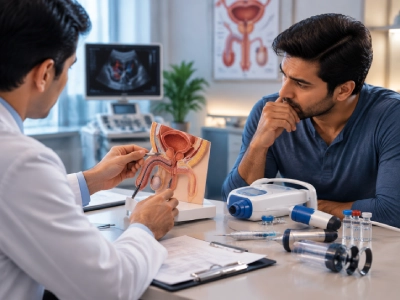
Minimally Invasive
- Intracavernosal injections
- Vacuum erection devices
- Penile vascular procedures when clinically indicated

Surgical
- Penile implant surgery
- Vascular reconstructive procedures in selected patients
- Surgery for underlying structural conditions
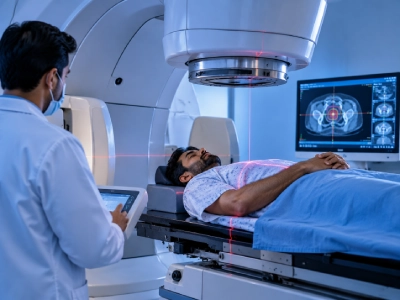
Radiation
- Not routinely used for erectile dysfunction
- Radiation may treat underlying conditions requiring it
Benefits of Erectile Dysfunction Treatment
- Improved erectile function
- Better erection firmness
- Improved ability to maintain an erection
- Improved sexual satisfaction
- Increased sexual confidence
- Treatment of underlying medical conditions
- Improved sexual function
- Access to advanced treatment options
- Improved quality of life
- Better management of associated health conditions
Complications if Left Untreated
- Persistent Erectile Difficulties
- Reduced Sexual Satisfaction
- Reduced Sexual Confidence
- Psychological Distress
- Depression
- Anxiety
- Relationship Difficulties
- Reduced Quality of Life
- Delayed Cardiovascular Disease Diagnosis
- Progression of Metabolic Conditions
- Untreated Hormonal Disorders
- Delayed Treatment of Underlying Conditions
Daily Management & Prevention Tips
Management Tips
- Maintain a healthy weight through diet
- Exercise regularly throughout the week
- Avoid smoking and excessive alcohol consumption
- Manage underlying health conditions
- Review medications with your treating doctor
Prevention Tips
- Eat a balanced diet regularly
- Maintain a healthy weight
- Exercise regularly throughout the week
- Avoid tobacco exposure
- Limit excessive alcohol consumption
- Discuss persistent erectile difficulties with doctors
Frequently Asked Questions
Why does erectile dysfunction sometimes worsen gradually?
Gradual changes may result from worsening circulation, diabetes, hormonal disturbances, nerve damage, medication effects, ageing, or other conditions that progressively interfere with normal sexual function.
Can erectile dysfunction be a sign of cardiovascular disease?
Yes. Impaired circulation may affect sexual performance, while persistent difficulties can sometimes accompany cardiovascular risk factors, including high blood pressure, diabetes, abnormal cholesterol, or vascular disease.
Can erectile dysfunction happen to younger men?
Yes. Although prevalence increases with age, younger men can also experience difficulties because of psychological factors, medications, hormonal problems, vascular conditions, lifestyle factors, or other underlying health issues.
Is erectile dysfunction always caused by psychological factors?
No. Physical conditions such as cardiovascular disease, high blood pressure, diabetes, hormonal disorders, nerve problems, and medication effects can contribute alongside psychological factors or independently cause erectile difficulties.
Does erectile dysfunction mean loss of sexual desire?
No. Sexual desire and erection ability involve different physiological systems, so many men experiencing erection difficulties continue to have normal or strong sexual interest.