
Jaw Surgery in Kolkata
Home / Treatments / Maxillofacial Surgery / Jaw correction
Quick Answers
What is jaw surgery used for?
It corrects major skeletal discrepancies that affect chewing, speech, breathing, facial balance, or dental function.
Can jaw surgery correct an uneven bite?
Yes. It repositions underlying skeletal structures, helping establish proper tooth contact and balanced chewing.
Is jaw surgery only cosmetic?
No. It primarily improves function, while facial proportions may improve as an additional benefit.
Is orthodontic treatment needed?
Often, yes. Braces or aligners help align teeth before and after the procedure.
What Is Jaw Correction Surgery?
Also known as orthognathic surgery, it repositions the upper jaw, lower jaw, or chin to correct structural misalignment and improve bite function.
Key points:
- Corrects jaw discrepancies
- Improves bite alignment
- Addresses skeletal imbalance
- May improve chewing
- Can improve speech
- May change facial profile
Types of Jaw Correction Surgery
Maxillary Osteotomy (For Upper Jaw)
Repositions the upper jaw to correct bite problems and jaw alignment.
Mandibular Osteotomy (For Lower Jaw)
Moves the lower jaw forward or backward to correct severe bite problems.
Bimaxillary Osteotomy (For Double Jaw)
Repositions both jaws to correct complex alignment and severe bite abnormalities.
Genioplasty (For Chin)
Reshapes or repositions the chin to improve facial balance and proportions.
Distraction Osteogenesis
Gradually lengthens the jawbone while new bone develops within the treated area.
Symptoms of Jaw Alignment Problems
Common Symptoms
- Jaw pain or joint tenderness
- Clicking, popping, or grating sounds
- Difficulty chewing or biting
- Jaw locking during movement
- Uneven or altered bite
- Frequent headaches or earaches
- Facial swelling around the jaw
- Worn, cracked, or chipped teeth
Red Flags (Seek Immediate Medical Care)
- Jaw completely locked open
- Sudden severe jaw or facial pain
- Breathing or swallowing difficulties
- Suspected jaw fracture after injury
- Fever with significant jaw swelling
Why Choose Samaritan Medical Surgical & Critical Care?
At Samaritan Medical Surgical & Critical Care, we provide comprehensive healthcare solutions as per your needs. With a team of expert professionals, we focus on delivering compassionate, patient-centred care for optimal well-being.

NABH Certified
Accredited by NABH, ensuring the highest standards of healthcare quality and patient safety.

Surgical Excellence
Our skilled surgeons offer precision care for a wide range of surgical procedures.

Critical Care Support
Providing round-the-clock critical care with advanced equipment and expert medical teams.
Our Doctors
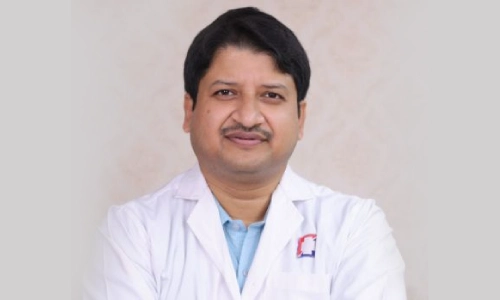
DR. SOMAK DAS
Qualifications: MBBS, MS(GEN.SURG.) DNB(GASTRO.SURG), MCH
Specialty: GASTRO SURGEON
Fees: Rs. 1,200.00
Available Days: MON, WED & FRI
Available Time: BY APPOINTMENT
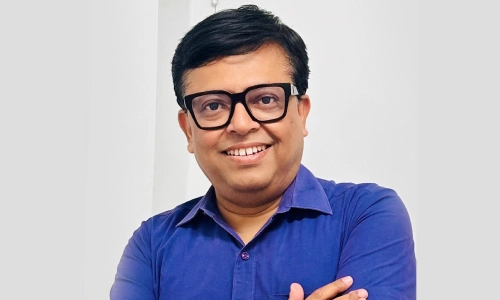
DR. D. K. SARKAR
Qualifications: MBBSMS, DNB FRCS, (GOLD), FFSTED
Specialty: GENERAL SURGEON
Fees: Rs. 1,550.00
Available Days: MON, WED,THU & SAT
Available Time: MON WED,THU-16:00 & SAT-15:00

DR. RUDRADEEP BANERJEE
Qualifications: MS.(GEN.SURG), D.N. BMRCS
Specialty: GENERAL SURGEON
Fees: Rs. 1,000.00
Available Days: BY APPOINTMENT
Available Time: BY APPOINTMENT
DR. RANAJOY DUTTA
Qualifications: MBBS, M.S D.N.B
Specialty: GENERAL SURGEON
Fees: Rs. 1,200.00
Available Days: WED, SAT
Available Time: 17:00 - 18:00 PM
DR. ACHINTA KR DAS
Qualifications: MBBS, MS
Specialty: GENERAL SURGEON
Fees: Rs. 1,200.00
Available Days: BY APPOINTMENT
Available Time:BY APPOINTMENT
DR. SAMRIDDHI PODDAR
Qualifications: MBBS(HONS), MS(SURGERY), WBUHS NRSMCH
Specialty: GENERAL SURGEON
Fees: Rs. 1,000.00
Available Days: TUE & WED
Available Time: TUE 16:30-17:30 & WED 18:00-19:00
DR . B . B . BARAI
Qualifications: MBBS, DNB, PG DGM, CCEBDM
Specialty: GENERAL SURGEON
Fees: Rs. 1,200.00
Available Days: MON /FRIDAY
Available Time: 11:00-13:00
DR. SAPTARSHI KUNDU
Qualifications: MBBS, MS (GEN SUR)
Specialty: GENERAL SURGEON
Fees: Rs. 700.00
Available Days: BY APPOINTMENT
Available Time: BY APPOINTMENT
DR. MAINAK PAL
Qualifications: MBBS, MS, FMAS(GEN.SURG)
Specialty: GENERAL SURGEON
Fees: Rs. 1,000.00
Available Days: MON -FRI
Available Time: 17:00-18:00
DR. SUKANTA ROY
Qualifications: MBBS, MS(GASTO)
Specialty: GASTRO SURGEON
Fees: Rs. 1,000.00
Available Days: BY APPOINTMENT
Available Time: BY APPOINTMENT

DR. UDDIPTA DUTTA
Specialty: GASTRO SURGEON
Fees: Rs. 900.00
Available Days: BY APPOINTMENT
Available Time: BY APPOINTMENT
Hear From Our Happy Patients
Very good nursing home.all staff best
I had Laproscopic surgery of gallbladder stone on 23/6/26 & Discharge on 25/6/26. I had wonderful experience in nursing home, Very cooperative staff. Particularly Ms Aditi (Head Sister charge) , she has cooperated very well with Smily face. OT is well equipped with high quality instruments, Dr Mukesh Karia has done wonderful operations.
Very good nursing home
Very Supportive Staff with 24*7 support. Along with Neat and Clean cloths and bed.
Great treatment and recuperation. Doctors nurses and support staff mase it feel like home .
Thakuuuu Samaritan nursing home........and Dr.babuuuu khubbbb valooooo..apnader sakoler babohar khub valo r porisheba khubbb khubbb valo sakol k. Ank ank ank dhannobad ......
Very good nursing home
Very good Treatment here and also staff behaviour has very good
I have admitted my father here twice under Dr Arindam Dutta sir for the DJ stenting and RIRS (Kidney stone) .The entire team of Samaritan was fantastic.Specially Ms Aditi Nandi was so humble and cooperative .She attended us every time and Given all facilities.Through out the admitting time and discharge,all the sisters,brothers,Housekeeping ,ward boy everyone was so polite and well mannered.
Individuals at Higher Risk for Jaw Alignment Problems
| Groups | Factors |
|---|---|
| Severe bite problems | Skeletal discrepancies |
| Underbite patients | Forward lower jaw |
| Open bite patients | Vertical imbalance |
| Significant overbite | Jaw relationship |
| Facial asymmetry | Uneven skeletal growth |
| Congenital conditions | Developmental abnormalities |
| Previous facial trauma | Structural changes |
| Growth abnormalities | Altered jaw development |
| Severe tooth compensation | Underlying skeletal discrepancy |
| Airway-related cases | Craniofacial deficiency |
Causes of Jaw Alignment Problems
Developmental jaw differences
Congenital facial conditions
Abnormal jaw growth
Facial skeletal asymmetry
Previous facial trauma
Severe skeletal malocclusion
Genetic influences
Craniofacial abnormalities
Tooth-jaw size mismatch
Certain systemic conditions
Jaw Correction Patterns, Diagnosis & Treatment Approach
| Pattern | Condition | Initial Approach | Advanced Treatment Needed | Expected Outcome |
|---|---|---|---|---|
| Underbite | Class III discrepancy | Orthodontic assessment | Skeletal correction | Improved bite |
| Excessive overbite | Class II discrepancy | Bite assessment | Jaw correction | Better jaw relationship |
| Open bite | Vertical discrepancy | Orthodontic assessment | Skeletal correction | Improved bite closure |
| Facial asymmetry | Skeletal asymmetry | Facial assessment | Surgical correction | Improved symmetry |
| Small lower jaw | Mandibular deficiency | Skeletal assessment | Advancement surgery | Improved jaw relationship |
| Upper jaw deficiency | Maxillary deficiency | Facial assessment | Maxillary advancement | Improved facial balance |
| Airway-related deficiency | Skeletal restriction | Airway assessment | Selected advancement | Airway improvement |
How Is Jaw Misalignment Evaluated?
Facial symmetry and proportion evaluation
Chewing, swallowing, and speech assessment
TMJ pain and movement examination
Airway and breathing assessment
CBCT and 3D facial scans
Digital intraoral scans or impressions
Virtual surgical treatment planning
Jaw Surgery: What to Expect?
Before Treatment
- Orthodontic consultation
- Surgical consultation
- Medical history review
- Bite assessment
- Facial measurements
- Dental imaging
- Treatment planning
- Anaesthesia assessment
During Treatment
- General anaesthesia
- Intraoral surgical access
- Controlled jaw cuts
- Planned bone repositioning
- Plate fixation
- Screw fixation
- Dissolvable sutures
After Treatment
- Monitor facial swelling
- Follow dietary instructions
- Maintain oral hygiene
- Take prescribed medicines
- Attend orthodontic reviews
- Follow jaw exercises
- Avoid strenuous activity
Benefits of Jaw Surgery
- Improved chewing and bite function
- Easier breathing and airway function
- Clearer and more natural speech
- Reduced jaw pain and headaches
- Less tooth wear and damage
- Improved facial balance and symmetry
- Greater confidence and self-esteem
Success Rates For Treatment in India
| Outcome / Statistic | Rate |
|---|---|
| Overall clinical success | 84%–98% |
| Closed reduction success | 95% |
| ORIF functional success | 92%–98% |
| ORIF complication-free outcome | 84% |
Recovery After Jaw Surgery
First 48 hours: Peak swelling
Week 1: Liquid or blended diet
Weeks 2–4: Swelling and bruising improve
Weeks 4–6: Gradual soft-food transition
Months 3–6: Chewing and healing progress
Months 6–12: Final facial definition returns
Complications if Jaw Problems Remain Untreated
- Persistent bite problems
- Difficulty chewing
- Speech difficulties
- Jaw movement restriction
- Facial asymmetry
- Excessive tooth wear
- Temporomandibular symptoms
- Functional discomfort
- Airway-related problems
Post-Treatment Daily Management & Prevention Tips
Daily Management Tips
- Start clear liquids and broths
- Progress to blended foods
- Drink 2–3 litres daily
- Ice for 20 minutes, then rest
- Elevate head while sleeping
- Take prescribed medicines as directed
- Rinse gently after meals
- Use a soft toothbrush carefully
Prevention Tips
- Complete prescribed antibiotic courses
- Watch for fever or pus
- Avoid straws for two weeks
- Avoid forceful nose blowing
- Avoid smoking and alcohol
- Avoid heavy exercise for 6–8 weeks
- Avoid contact sports during healing
Frequently Asked Questions
Is jaw surgery always necessary?
No. Mild problems may be managed orthodontically, while significant skeletal discrepancies that orthodontics cannot correct may require surgery.
Can jaw surgery change facial appearance?
Yes. Repositioning the facial bones can change the overlying soft-tissue profile and facial appearance. Functional correction remains the primary treatment goal
Is jaw surgery performed with braces?
Often. Orthodontic treatment is commonly coordinated with surgery to align the teeth and establish the intended bite relationship.
Can jaw surgery improve chewing?
Yes. Correcting skeletal discrepancies can improve bite relationships and chewing function when the underlying problem contributes to functional impairment.
How long is jaw surgery recovery?
Recovery varies. Many patients need several weeks before returning fully to normal activities, while swelling and jaw stiffness can take longer to resolve.
Are jaw surgery plates permanent?
Usually. Plates and screws are usually left in place unless they later cause a problem that requires removal.