
Urinary Tract Infections (UTIs) Treatment in Kolkata
Home / Treatments / Urology / UTI
Quick Answers
Are urinary tract infections treatable?
Yes. Most respond well to appropriate antibiotics, fluids, symptom management, and treatment of the underlying cause.
Is hospital treatment always required for urinary tract infections?
No. Treatment depends on the infection type, symptoms, severity, recurrence, and whether the kidneys or other urinary organs are affected.
Can a urinary tract infection become serious?
Yes. Left untreated, the UTI may spread to the kidneys or bloodstream and cause serious complications.
When should someone seek medical care?
Seek medical evaluation for persistent urinary symptoms, blood in the urine, fever, flank pain, vomiting, or recurrent infections.
What Are Urinary Tract Infections?
UTIs affect parts of the urinary system, including the bladder, urethra, ureters, or kidneys. Bacteria usually cause them by entering the urinary tract. Symptoms often involve changes in urination and may become more noticeable as the infection progresses.
Key points:
- Burning or pain during urination may develop
- Frequent urination may occur
- A sudden urge to urinate is possible
- Lower abdominal or pelvic discomfort may occur
Types of Urinary Tract Infections
Cystitis (Bladder Infection)
Most common UTI type, causing frequent urination, burning, urgency, and lower abdominal discomfort.
Pyelonephritis (Kidney Infection)
Upper urinary tract infection causing fever, chills, flank pain, nausea, and vomiting.
Urethritis (Urethra Infection)
Urethral infection causing burning urination and sometimes abnormal urinary or genital discharge.
Uncomplicated UTI
Occurs without structural or neurological urinary tract abnormalities in otherwise healthy individuals.
Complicated UTI
Associated with blockages, catheters, pregnancy, or conditions affecting urinary tract function.
Recurrent UTI
Repeated, distinct urinary infections occurring multiple times over a defined period.
Symptoms of Urinary Tract Infections
Common Symptoms
- Burning or pain during urination (dysuria)
- Frequent urination and a sudden, urgent need to go
- Passing small amounts of urine each time
- Cloudy or strong-smelling urine
- Lower abdominal discomfort or pressure
Red Flags (Seek Immediate Medical Care)
- Cloudy or strong-smelling urine
- Cloudy or strong-smelling urine
- Cloudy or strong-smelling urine
- Cloudy or strong-smelling urine
- Cloudy or strong-smelling urine
Why Choose Samaritan Medical Surgical & Critical Care?
At Samaritan Medical Surgical & Critical Care, we provide comprehensive healthcare solutions as per your needs. With a team of expert professionals, we focus on delivering compassionate, patient-centred care for optimal well-being.

NABH Certified
Accredited by NABH, ensuring the highest standards of healthcare quality and patient safety.

Surgical Excellence
Our skilled surgeons offer precision care for a wide range of surgical procedures.

Critical Care Support
Providing round-the-clock critical care with advanced equipment and expert medical teams.
Our Doctors

DR. AMLAN CHAKRABORTY
Qualifications: MBBS, MS, FRCS (Urology)
Specialty: Urology
Experience: 23 years
Fees: Rs. 1,700.00
Available Days: TUE,THURS & SAT(BY APPOINTMENT)
Available Time: 12:00 - 13:00 (BY APPOINTMENT)

DR. PRAMOD KUMAR SHARMA
Qualifications: MBBS,MS
Specialty: Urology
Experience: 21 years
Fees: Rs. 1,200.00
Available Days: BY APPOINTMENT
Available Time: By Appointment

DR. NILANJAN MITRA
Qualifications: MBBS, MS (Gen. Surg.), MCh (Urology)
Specialty: Urology
Experience: 19 years
Fees: Rs. 1,200.00
Available Days:TUE & THURS
Available Time: 8:30 - 10:30

DR. SMARANJIT CHATTERJEE
Qualifications: MBBS, MS, DNB, Mch
Specialty: Urology
Experience: 18 years
Fees: Rs. 1,200.00
Available Days: BY APPOINTMENT
Available Time: BY APPOINTMENT

DR. SOUVIK CHATTERJEE
Qualifications: MBBS, MS (Gen. Surg.), DNB, MCh (Urology)
Specialty: Urology
Experience: 16 years
Fees: Rs. 1,000.00
Available Days: WED, SAT
Available Time: WED: 15:00 - 16:00, SAT: 09:30 - 10:30

DR. SUBHOJIT MALAKAR
Qualifications: MBBS, MS (Gen. Surg.), DNB, MCh (Urology)
Specialty: Urology
Experience: 15 years
Fees: Rs. 1,000.00
Available Days: BY APPOINTMENT
Available Time: BY APPOINTMENT
DR. SUNIRMAL CHOWDHURY
Qualifications: MBBS, MS, IPGMER (HOD)
Specialty: Urology
Experience: 20 years
Fees: Rs. 1,200.00
Available Days: BY APPOINTMENT
Available Time: By Appointment
Hear From Our Happy Patients
Very good nursing home.all staff best
I had Laproscopic surgery of gallbladder stone on 23/6/26 & Discharge on 25/6/26. I had wonderful experience in nursing home, Very cooperative staff. Particularly Ms Aditi (Head Sister charge) , she has cooperated very well with Smily face. OT is well equipped with high quality instruments, Dr Mukesh Karia has done wonderful operations.
Very good nursing home
Very Supportive Staff with 24*7 support. Along with Neat and Clean cloths and bed.
Great treatment and recuperation. Doctors nurses and support staff mase it feel like home .
Thakuuuu Samaritan nursing home........and Dr.babuuuu khubbbb valooooo..apnader sakoler babohar khub valo r porisheba khubbb khubbb valo sakol k. Ank ank ank dhannobad ......
Very good nursing home
Very good Treatment here and also staff behaviour has very good
I have admitted my father here twice under Dr Arindam Dutta sir for the DJ stenting and RIRS (Kidney stone) .The entire team of Samaritan was fantastic.Specially Ms Aditi Nandi was so humble and cooperative .She attended us every time and Given all facilities.Through out the admitting time and discharge,all the sisters,brothers,Housekeeping ,ward boy everyone was so polite and well mannered.
Individuals at Highest Risk for Urinary Tract Infections
| Groups | Factors |
|---|---|
| Women | Age-related urinary changes and incomplete bladder emptying may increase infection risk. |
| Pregnant Women | Changes during pregnancy can affect urinary flow and increase infection risk. |
| Urinary Obstruction | Enlarged prostate, stones, or other blockages may prevent complete bladder emptying. |
| Catheter Users | Urinary catheters can increase the risk of introducing bacteria into the urinary tract. |
| Recurrent UTI History | Previous infections may increase the likelihood of developing further urinary infections. |
Causes Of Urinary Tract Infections
- Bacteria entering the urinary tract
- Incomplete bladder emptying
- Urinary tract obstruction
- Kidney or urinary stones
- Use of urinary catheters
- Sexual activity
- Pregnancy
- Weakened immune system
- Poor hygiene
- Structural abnormalities of the urinary tract
- Medical conditions affecting bladder function
- Menopause
Urinary Tract Infection Patterns, Diagnosis & Treatment Approach
| Pattern | Likely Condition | Initial Treatment | Escalation | Outcome |
|---|---|---|---|---|
| Pain/Burning During Urination | Lower UTI (Urethritis) | Clinical evaluation, urine culture, targeted antibiotics, increased fluids | Worsening or no improvement within 48 hours; high risk if male, pregnant, diabetic or immunocompromised | Relief once infection clears |
| Frequent Urination & Intense Urgency | Cystitis (Bladder Infection) | Medical management, prescription antibiotics, optional urinary analgesics | Symptoms persist after antibiotics or inability to pass urine despite urge | Return to normal bladder control, frequency and comfort |
| Blood in Urine (Pink, red or tea-coloured) | UTI, Kidney Stones or structural urinary conditions | Prompt evaluation, urinalysis, ultrasound or CT if stones are suspected | Continuous/heavy bleeding or blood with severe, sharp one-sided lower back pain | Depends on cause; infection clearance or stone management resolves bleeding |
| Fever, Shaking Chills & Back/Flank Pain | Complicated UTI or Kidney Infection (Pyelonephritis) | Immediate medical assessment, broad-spectrum/IV antibiotics and close monitoring | Emergency: confusion, rapid heart rate, low BP or inability to keep fluids down (sepsis signs) | Infection control, fever reduction and prevention of permanent kidney damage |
| Repeated Infections (2+ in 6 months or 3+ in a year) | Recurrent UTI | Urologist evaluation for structural risks; post-coital or low-dose preventive antibiotics | Recurrences despite prevention or confirmed structural/anatomical abnormalities | Reduced or eliminated infections once root causes are addressed |
UTIs Procedures & Recovery Time: What to Expect
Urine Test (Urinalysis)
- Checks urine for white cells
- Detects red blood cells
- Identifies bacteria in urine
Urine Culture
- Grows bacteria from urine
- Identifies the specific bacteria
- Determines effective antibiotic treatment
Ultrasound or CT Scan
- Uses imaging for frequent infections
- Checks for urinary tract blockages
- Identifies structural urinary tract issues
Cystoscopy
- Uses a thin camera tube
- Examines the inside of the bladder
- Used for recurring infections
Recovery Timeline
24–48 Hours: Most symptoms begin improving
3–5 Days: Mild UTIs significantly improve
7–10 Days: Severe UTIs complete treatment
2–4 Weeks: Follow-up may be required
Ongoing Care: Preventive measures manage recurrence
Available Diagnosis & Tests
Urine Dipstick Test: Flags common infection markers
Urinalysis: Examines urine under microscope
Urine Culture: Identifies bacteria and effective antibiotics
Blood Tests: Detects bloodstream infection
Ultrasound: Detects stones, blockages, structural abnormalities
CT Scan: Shows detailed urinary tract images
Cystoscopy: Examines bladder using camera tube
Available Treatment Options

Non-Surgical Options
- Antibiotics
- Pain Relief
- Hydration
- Behavioural and Natural Care
- Urinary Symptom Medicine
- Risk Factor Treatment

Minimally Invasive Treatments
- Cystoscopy-Guided Procedures
- Ureteroscopy
- Stone Fragmentation
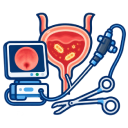
Surgical Options
- Stone Removal
- Obstruction Relief
- Reflux Correction
- Anomaly Repair

Hospital-Based Treatments
- Intravenous Fluids
- Infection Monitoring
- Treatment for infection-related complications

Other Treatment Options
- Hormone Therapy
- Probiotics
- Long-Term Prophylaxis
Benefits of Urinary Tract Infection Treatment
- Relief from burning urination
- Reduced urinary frequency
- Reduced urinary urgency
- Relief from lower abdominal discomfort
- Control of urinary infection
- Prevention of kidney infection
- Prevention of recurrent urinary infections
- Reduced risk of bloodstream infection
- Treatment of underlying urinary obstruction
- Improved urinary function
Complications if Left Untreated
- Kidney Infection
- Kidney Abscess
- Persistent Urinary Symptoms
- Blood in the Urine
- Urinary Obstruction
- Sepsis and Bloodstream Infection
- Kidney Damage
- Infection During Pregnancy
- Progression of Underlying Urinary Disease
- Bladder Dysfunction
- Scarring of the Urethra
Daily Management & Prevention Tips
Management Tips
- Stay adequately hydrated throughout the day
- Avoid routinely delaying urination
- Empty your bladder completely
- Follow prescribed antibiotics exactly
- Avoid caffeine, alcohol, spicy foods
- Review recurrent symptoms with your doctor
Prevention Tips
- Drink adequate fluids regularly
- Avoid holding urine for long
- Wipe front to back
- Urinate after sexual activity
- Avoid scented sprays and douches
- Avoid unnecessary urinary catheter use
- Maintain good personal hygiene
- Discuss recurrent infections with doctors
Frequently Asked Questions
Can a urinary tract infection spread to the kidneys?
Yes. An untreated or complicated urinary infection can travel from the bladder to the kidneys and cause a more serious kidney infection requiring prompt treatment.
Are urinary tract infections sexually transmitted infections?
No. They are not passed between partners, although sexual activity can introduce bacteria into the urethra and increase the likelihood of developing symptoms.
Does cloudy or smelly urine always indicate infection?
No. Changes in appearance or odour may result from dehydration, certain foods, medications, or other harmless factors rather than bacterial growth.
Can cranberry juice cure an active urinary infection?
No. Cranberry products may offer some preventive benefit, but they cannot eliminate an established infection or replace appropriate medical treatment.