
Adenoids & Tonsil Operation in Kolkata
Home / Treatments / ENT/ Tonsils & adenoids
Quick Answers
When is a tonsil operation recommended
It may be advised for recurrent tonsillitis, sleep apnoea, or tonsillar abscess.
Do enlarged tonsils always need surgery?
No. Repeated infections, swallowing difficulties, or sleep-disordered breathing may require treatment.
Can enlarged adenoids cause breathing problems?
Yes. Many cases improve with medical treatYes. They can cause mouth breathing, nasal blockage, snoring, and sleep apnoea.ment, without requiring surgery.
Can tonsils and adenoids be removed together?
Yes. Tonsillectomy and adenoidectomy may be performed together when both cause symptoms.
What Are Tonsils & Adenoids?
Adenoids and tonsils are small patches of lymphoid tissue that help trap and fight incoming germs. Both tissues can swell during infections or allergies. Enlarged adenoids may block nasal breathing, cause snoring, or contribute to ear infections, while enlarged tonsils can cause painful swallowing or sleep problems.
Tonsil surgery (tonsillectomy) and adenoidectomy may be performed separately or together, depending on symptoms and clinical findings.
Key points:
- 75 lakh Indian children develop clinical tonsillitis yearly
- Chronic tonsillitis peaks among ages 11–20
- Tonsillitis causes 11.66% of diagnosed complaints, after middle ear infections
- 2 lakh children undergo tonsillectomies annually nationwide
Types of Tonsils
Palatine Tonsils
Large round masses on both sides of the throat, trapping germs within crypts.
Adenoids (Pharyngeal Tonsils)
Tissue behind the nose and soft palate that usually shrinks by adulthood.
Lingual Tonsils
Small tissue collections at the tongue's base that help catch incoming germs.
Tubal Tonsils
Small tissues near Eustachian tube openings that help protect the middle ear.
Symptoms of Tonsil & Adenoid Problems
Common Symptoms
- Sore throat lasting for extended periods
- Difficulty swallowing or painful eating
- Loud snoring occurring during sleep
- Mouth breathing due to nasal blockage
- Bad breath from trapped bacteria
- Swollen lymph nodes causing tender neck lumps
Red Flags (Seek Immediate Medical Care)
- Severe breathing trouble or gasping for air
- Inability to swallow saliva with constant drooling
- Muffled voice sounding like a hot potato
- High fever that remains despite medication
- Stiff neck with extreme neck pain
Why Choose Samaritan Medical Surgical & Critical Care?
At Samaritan Medical Surgical & Critical Care, we provide comprehensive healthcare solutions as per your needs. With a team of expert professionals, we focus on delivering compassionate, patient-centred care for optimal well-being.

NABH Certified
Accredited by NABH, ensuring the highest standards of healthcare quality and patient safety.

Surgical Excellence
Our skilled surgeons offer precision care for a wide range of surgical procedures.

Critical Care Support
Providing round-the-clock critical care with advanced equipment and expert medical teams.
Our Doctors
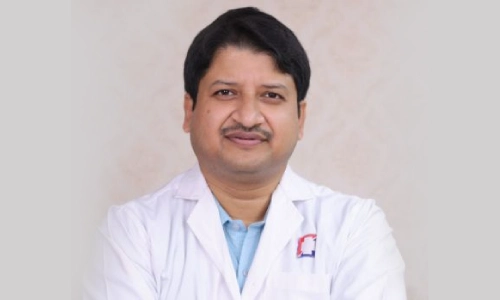
DR. SOMAK DAS
Qualifications: MBBS, MS(GEN.SURG.) DNB(GASTRO.SURG), MCH
Specialty: GASTRO SURGEON
Fees: Rs. 1,200.00
Available Days: MON, WED & FRI
Available Time: BY APPOINTMENT

DR. D. K. SARKAR
Qualifications: MBBSMS, DNB FRCS, (GOLD), FFSTED
Specialty: GENERAL SURGEON
Fees: Rs. 1,550.00
Available Days: MON, WED,THU & SAT
Available Time: MON WED,THU-16:00 & SAT-15:00

DR. RUDRADEEP BANERJEE
Qualifications: MS.(GEN.SURG), D.N. BMRCS
Specialty: GENERAL SURGEON
Fees: Rs. 1,000.00
Available Days: BY APPOINTMENT
Available Time: BY APPOINTMENT
DR. RANAJOY DUTTA
Qualifications: MBBS, M.S D.N.B
Specialty: GENERAL SURGEON
Fees: Rs. 1,200.00
Available Days: WED, SAT
Available Time: 17:00 - 18:00 PM
DR. ACHINTA KR DAS
Qualifications: MBBS, MS
Specialty: GENERAL SURGEON
Fees: Rs. 1,200.00
Available Days: BY APPOINTMENT
Available Time:BY APPOINTMENT
DR. SAMRIDDHI PODDAR
Qualifications: MBBS(HONS), MS(SURGERY), WBUHS NRSMCH
Specialty: GENERAL SURGEON
Fees: Rs. 1,000.00
Available Days: TUE & WED
Available Time: TUE 16:30-17:30 & WED 18:00-19:00
DR . B . B . BARAI
Qualifications: MBBS, DNB, PG DGM, CCEBDM
Specialty: GENERAL SURGEON
Fees: Rs. 1,200.00
Available Days: MON /FRIDAY
Available Time: 11:00-13:00
DR. SAPTARSHI KUNDU
Qualifications: MBBS, MS (GEN SUR)
Specialty: GENERAL SURGEON
Fees: Rs. 700.00
Available Days: BY APPOINTMENT
Available Time: BY APPOINTMENT
DR. MAINAK PAL
Qualifications: MBBS, MS, FMAS(GEN.SURG)
Specialty: GENERAL SURGEON
Fees: Rs. 1,000.00
Available Days: MON -FRI
Available Time: 17:00-18:00
DR. SUKANTA ROY
Qualifications: MBBS, MS(GASTO)
Specialty: GASTRO SURGEON
Fees: Rs. 1,000.00
Available Days: BY APPOINTMENT
Available Time: BY APPOINTMENT

DR. UDDIPTA DUTTA
Specialty: GASTRO SURGEON
Fees: Rs. 900.00
Available Days: BY APPOINTMENT
Available Time: BY APPOINTMENT
Hear From Our Happy Patients
Very good nursing home.all staff best
I had Laproscopic surgery of gallbladder stone on 23/6/26 & Discharge on 25/6/26. I had wonderful experience in nursing home, Very cooperative staff. Particularly Ms Aditi (Head Sister charge) , she has cooperated very well with Smily face. OT is well equipped with high quality instruments, Dr Mukesh Karia has done wonderful operations.
Very good nursing home
Very Supportive Staff with 24*7 support. Along with Neat and Clean cloths and bed.
Great treatment and recuperation. Doctors nurses and support staff mase it feel like home .
Thakuuuu Samaritan nursing home........and Dr.babuuuu khubbbb valooooo..apnader sakoler babohar khub valo r porisheba khubbb khubbb valo sakol k. Ank ank ank dhannobad ......
Very good nursing home
Very good Treatment here and also staff behaviour has very good
I have admitted my father here twice under Dr Arindam Dutta sir for the DJ stenting and RIRS (Kidney stone) .The entire team of Samaritan was fantastic.Specially Ms Aditi Nandi was so humble and cooperative .She attended us every time and Given all facilities.Through out the admitting time and discharge,all the sisters,brothers,Housekeeping ,ward boy everyone was so polite and well mannered.
Individuals at Higher Risk for Tonsil & Adenoid Problems
| Groups | Factors |
|---|---|
| People with chronic allergic rhinitis | Tissue irritation and hyperplasia |
| People with upper respiratory allergies | Increased tissue irritation |
| People exposed to crowded environments | Increased environmental exposure |
| People exposed to air pollution | Pollutant exposure |
| People regularly exposed to tobacco smoke | Tobacco smoke exposure |
| Young adults aged 16–25 | Specific causes of adenoid enlargement |
| Young adult males with outdoor pollutant exposure | Higher pollutant exposure |
Causes Of Tonsil & Adenoid Problems
Viral infections: Common cause of tonsillitis.
Bacterial infections: Streptococcal infection can cause tonsillitis.
Repeated infections: Frequent episodes can affect daily activities.
Tonsillar enlargement: Enlarged tissue can narrow the airway.
Adenoid enlargement: Can obstruct nasal breathing.
Chronic inflammation: Persistent inflammation can maintain enlargement.
Sleep-disordered breathing: Airway obstruction affects nighttime breathing.
Recurrent abscess: Pus can collect beside the tonsil.
Tonsil & Adenoid Patterns, Diagnosis & Treatment Approach
| Pattern | Condition | Initial Approach | When Is Tonsil Surgery Needed? | Expected Outcome |
|---|---|---|---|---|
| Recurrent severe infections | Recurrent tonsillitis | Medical treatment and monitoring | Tonsillectomy for frequent, disabling documented episodes | Fewer recurrent tonsillitis episodes |
| Enlarged tonsils | Tonsillar hypertrophy | ENT assessment | Tonsillectomy for significant airway or swallowing problems | Improved airway symptoms |
| Enlarged adenoids | Adenoid hypertrophy | ENT assessment and monitoring | Adenoidectomy for persistent nasal obstruction or sleep problems | Improved nasal breathing |
| Sleep-related obstruction | Obstructive sleep apnoea | Clinical assessment and sleep evaluation when indicated | Tonsillectomy and/or adenoidectomy when enlarged tissues cause significant obstruction | Improved nighttime breathing |
| Recurrent abscess | Peritonsillar abscess | Medical and drainage treatment | Tonsillectomy for recurrent or complicated episodes | Reduced recurrence risk |
| Combined enlargement | Adenotonsillar hypertrophy | ENT assessment | Tonsillectomy with adenoidectomy when both obstruct the airway | Improved upper-airway function |
How Are Tonsil & Adenoid Problems Evaluated?
- Symptom review
- Throat examination
- Ear examination
- Nose examination
- Nasal endoscopy
- Lateral neck X-ray
- Sleep study (polysomnography)
- Hearing tests
- Throat culture
Tonsil Operation: What to Expect?
Before
- Complete medical evaluation and blood tests
- Review previous tonsil infections
- Adjust medications as instructed
- Report previous bleeding or anaesthesia problems
- Fast from midnight or evening
During
- Receive general anesthesia
- Surgeon accesses tonsils through the mouth
- Remove tonsils using specialised tools
- Bleeding is controlled during surgery
- Adenoids may be removed simultaneously
- Surgery typically lasts 20–45 minutes
After
- Monitor vital signs for 1–2 hours
- Most patients return home same-day
- Expect severe throat and ear pain
- Ear, jaw, or neck pain
- White or yellow throat coating
- Drink plenty of fluids
- Eat soft, bland foods
- Use prescribed pain medicines
- Avoid hard, crunchy, acidic foods
- Follow prescribed rest and care instructions
- Recovery usually takes about two weeks
Benefits of Tonsil & Adenoid Surgery
Fewer infections: May reduce recurrent tonsillitis.
Better breathing: Can relieve airway obstruction.
Improved sleep: May reduce sleep-related breathing problems.
Better sinus function: Can help when enlarged tonsils interfere.
Reduced abscess recurrence: May prevent repeated tonsillar complications.
Improved nasal breathing: Adenoid removal can relieve obstruction.
Better quality of life: Fewer severe episodes can reduce disruption.
Success Rates for Tonsil & Adenoid Surgery in India
| Outcome | Rate |
|---|---|
| Overall Success Rate | Over 90%–95% |
| Chronic Infection Resolution | Exceeds 90% |
| Sleep Apnea & Breathing Improvement | Over 90% |
| Coblation Tissue Removal | Nearly 100% |
Recovery After Tonsil Operation
Days 1–2: Severe throat and ear pain.
Days 3–5: Pain peaks; scabs form.
Days 6–8: Pain fades; swallowing improves.
Days 9–14: Most symptoms resolve; healing completes.
Complications if Tonsil & Adenoid Problems Are Left Untreated
- Recurrent severe tonsillitis episodes
- Persistent sleep-related breathing problems
- Ongoing mouth breathing from obstruction
- Recurrent peritonsillar abscess formation
- Persistent nasal obstruction from adenoids
- Recurrent ear problems in children
- Ongoing swallowing difficulties from enlargement
- Continued disruption to sleep and daily activities
Post-Op Daily Management & Prevention Tips
Management Tips
- Maintain regular pain relief
- Encourage frequent small sips
- Follow a soft-food diet
- Use ice packs and humidifiers
- Expect normal throat scab formation
Prevention Tips
- Monitor fluid intake and urination
- Avoid foods causing mechanical irritation
- Restrict strenuous activity for 14 days
- Avoid crowds and sick contacts
- Prevent constipation with adequate hydration
Frequently Asked Questions
Does every child with enlarged tonsils need surgery?
No. Surgery is considered when enlargement causes significant problems, including recurrent severe infections, sleep-disordered breathing, or airway obstruction that affects breathing, sleep, or overall daily functioning.
Can enlarged adenoids affect a child's sleep?
Yes. They can narrow the upper airway, contributing to snoring, mouth breathing, restless sleep, and obstructive sleep apnoea, particularly when enlargement significantly restricts airflow during sleep.
How long does tonsil operation recovery take?
Most patients recover in about 10–14 days. Discomfort can continue throughout this period and may temporarily intensify before gradually improving as the surgical area heals.
Can tonsils grow back after surgery?
Complete removal generally prevents regrowth. However, a small amount of residual tonsillar tissue can rarely regrow, depending on the surgical technique used during the operation.
Is bleeding possible after tonsil surgery?
Yes. It is a recognised complication that may develop during the healing period. Any fresh bleeding following the procedure requires urgent medical assessment.