
Endoscopy & Colonoscopy Test in Kolkata
Home / Treatments / Gastroenterology / Endoscopy & colonoscopy
Quick Answers
When should endoscopy or colonoscopy be recommended?
Recommended for persistent digestive symptoms, unexplained bleeding, swallowing difficulties or bowel changes.
How Many Indians Need Colonoscopy Annually?
Over 15 million Indians develop colorectal issues yearly; early screening saves lives.
Are endoscopy and colonoscopy painful?
Sedation improves comfort, though temporary bloating or throat discomfort may occur.
What's the Success Rate of These Procedures?
Colonoscopy detects 95% of polyps, and endoscopy diagnoses over 90% of upper GI issues.
What Are Endoscopy & Colonoscopy Tests?
Both procedures examine different parts of the digestive tract. Endoscopy helps doctors assess the upper digestive system, while colonoscopy examines the colon and rectum to identify inflammation, ulcers, bleeding, polyps and other abnormalities.
Key points:
- Endoscopy usually takes about 15 to 30 minutes
- Colonoscopy typically takes about 30 to 60 minutes
- Preparation differs between both procedures
- Sedation may improve patient comfort
Types of Endoscopy & Colonoscopy
Endoscopy Variations
Upper Endoscopy (EGD): Examines oesophagus, stomach, duodenum.
Colonoscopy: Examines entire colon and rectum.
Sigmoidoscopy: Examines lower colon and rectum.
Enteroscopy: Examines the middle small intestine.
Capsule Endoscopy: Views small intestine using a camera.
Bronchoscopy: Examines airways and lungs.
Laryngoscopy: Examines larynx or voice box.
Cystoscopy: Examines bladder and urethra.
Arthroscopy: Examines the inside of joints.
Laparoscopy: Examines abdominal and pelvic organs.
Colonoscopy Variants
Screening: Checks for cancer and polyps.
Diagnostic: Investigates symptoms and abnormal findings.
Therapeutic: Treats polyps and gastrointestinal bleeding.
Surveillance: Monitors previous polyps, IBD, and cancer.
Virtual: Uses CT imaging for the colon.
Flexible Sigmoidoscopy: Examines lower colon and rectum.
Quick Comparison
| Feature | Endoscopy (Upper GI / EGD) | Colonoscopy |
|---|---|---|
| Area Examined | Oesophagus, stomach, and duodenum | Colon and rectum |
| Insertion | Through the mouth | Through the rectum |
| Preparation | Fasting before the procedure | Bowel cleansing beforehand |
| Duration | Usually 15–30 minutes | Usually 30–60 minutes |
| Sedation | Sedation or throat numbing | Usually sedation |
| Symptoms | Reflux, swallowing problems, upper abdominal pain | Bleeding, bowel changes, chronic diarrhoea |
| Main Uses | Diagnosing ulcers, inflammation, and reflux | Detecting cancer and removing polyps |
Symptoms That May Require Endoscopy & Colonoscopy
Common Symptoms
- Persistent heartburn or acid reflux
- Trouble or pain when swallowing
- Ongoing stomach pain or burning
- Repeated nausea and vomiting
- Unexplained weight loss
- Rectal bleeding or blood in the stool
- Chronic or ongoing diarrhoea
- Persistent constipation or bowel changes
- Unexplained iron-deficiency anaemia
Red Flags (When to See a Doctor)
- Worsening difficulty or pain when swallowing
- Vomiting blood or passing black, tarry stools
- Heartburn that does not improve with medication
- Significant unexplained weight loss or loss of appetite
- Iron-deficiency anaemia without a known cause
- Severe or persistent abdominal pain, cramping or nausea
- Ongoing or heavy rectal bleeding
- New or persistent changes in bowel habits lasting weeks
- Strong family history of colon cancer or polyps
Why Choose Samaritan Medical Surgical & Critical Care?
At Samaritan Medical Surgical & Critical Care, we provide comprehensive healthcare solutions as per your needs. With a team of expert professionals, we focus on delivering compassionate, patient-centred care for optimal well-being.

NABH Certified
Accredited by NABH, ensuring the highest standards of healthcare quality and patient safety.

Surgical Excellence
Our skilled surgeons offer precision care for a wide range of surgical procedures.

Critical Care Support
Providing round-the-clock critical care with advanced equipment and expert medical teams.
Our Doctors
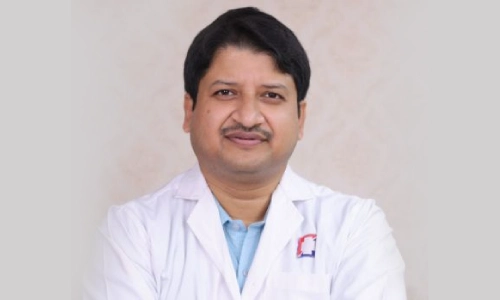
DR. SOMAK DAS
Qualifications: MBBS, MS(GEN.SURG.) DNB(GASTRO.SURG), MCH
Specialty: GASTRO SURGEON
Fees: Rs. 1,200.00
Available Days: MON, WED & FRI
Available Time: BY APPOINTMENT

DR. D. K. SARKAR
Qualifications: MBBSMS, DNB FRCS, (GOLD), FFSTED
Specialty: GENERAL SURGEON
Fees: Rs. 1,550.00
Available Days: MON, WED,THU & SAT
Available Time: MON WED,THU-16:00 & SAT-15:00

DR. RUDRADEEP BANERJEE
Qualifications: MS.(GEN.SURG), D.N. BMRCS
Specialty: GENERAL SURGEON
Fees: Rs. 1,000.00
Available Days: BY APPOINTMENT
Available Time: BY APPOINTMENT
DR. RANAJOY DUTTA
Qualifications: MBBS, M.S D.N.B
Specialty: GENERAL SURGEON
Fees: Rs. 1,200.00
Available Days: WED, SAT
Available Time: 17:00 - 18:00 PM
DR. ACHINTA KR DAS
Qualifications: MBBS, MS
Specialty: GENERAL SURGEON
Fees: Rs. 1,200.00
Available Days: BY APPOINTMENT
Available Time:BY APPOINTMENT
DR. SAMRIDDHI PODDAR
Qualifications: MBBS(HONS), MS(SURGERY), WBUHS NRSMCH
Specialty: GENERAL SURGEON
Fees: Rs. 1,000.00
Available Days: TUE & WED
Available Time: TUE 16:30-17:30 & WED 18:00-19:00
DR . B . B . BARAI
Qualifications: MBBS, DNB, PG DGM, CCEBDM
Specialty: GENERAL SURGEON
Fees: Rs. 1,200.00
Available Days: MON /FRIDAY
Available Time: 11:00-13:00
DR. SAPTARSHI KUNDU
Qualifications: MBBS, MS (GEN SUR)
Specialty: GENERAL SURGEON
Fees: Rs. 700.00
Available Days: BY APPOINTMENT
Available Time: BY APPOINTMENT
DR. MAINAK PAL
Qualifications: MBBS, MS, FMAS(GEN.SURG)
Specialty: GENERAL SURGEON
Fees: Rs. 1,000.00
Available Days: MON -FRI
Available Time: 17:00-18:00
DR. SUKANTA ROY
Qualifications: MBBS, MS(GASTO)
Specialty: GASTRO SURGEON
Fees: Rs. 1,000.00
Available Days: BY APPOINTMENT
Available Time: BY APPOINTMENT

DR. UDDIPTA DUTTA
Specialty: GASTRO SURGEON
Fees: Rs. 900.00
Available Days: BY APPOINTMENT
Available Time: BY APPOINTMENT
Hear From Our Happy Patients
Very good nursing home.all staff best
I had Laproscopic surgery of gallbladder stone on 23/6/26 & Discharge on 25/6/26. I had wonderful experience in nursing home, Very cooperative staff. Particularly Ms Aditi (Head Sister charge) , she has cooperated very well with Smily face. OT is well equipped with high quality instruments, Dr Mukesh Karia has done wonderful operations.
Very good nursing home
Very Supportive Staff with 24*7 support. Along with Neat and Clean cloths and bed.
Great treatment and recuperation. Doctors nurses and support staff mase it feel like home .
Thakuuuu Samaritan nursing home........and Dr.babuuuu khubbbb valooooo..apnader sakoler babohar khub valo r porisheba khubbb khubbb valo sakol k. Ank ank ank dhannobad ......
Very good nursing home
Very good Treatment here and also staff behaviour has very good
I have admitted my father here twice under Dr Arindam Dutta sir for the DJ stenting and RIRS (Kidney stone) .The entire team of Samaritan was fantastic.Specially Ms Aditi Nandi was so humble and cooperative .She attended us every time and Given all facilities.Through out the admitting time and discharge,all the sisters,brothers,Housekeeping ,ward boy everyone was so polite and well mannered.
When Are These Tests Recommended?
Upper Digestive Conditions (May Require Endoscopy)
- Persistent acid reflux or heartburn
- Gastritis and stomach ulcers
- Difficulty swallowing
- Upper gastrointestinal bleeding
Colon and Rectal Conditions (May Require Colonoscopy)
- Persistent changes in bowel habits
- Inflammatory bowel conditions
- Colon polyps
- Blood in the stool
Unexplained Gastrointestinal Symptoms (May Require Either)
- Persistent abdominal pain
- Unexplained nausea or vomiting
- Ongoing digestive discomfort
- Unexplained weight loss
Conditions Requiring Further Investigation (Either May Be Recommended)
- Anaemia with suspected gastrointestinal bleeding
- Abnormal imaging or laboratory findings
- Family history of colorectal conditions
- Persistent symptoms without a clear diagnosis
Patterns, Diagnosis & Treatment Approach
| Pattern | Type | First-Line Approach | When Advanced Treatment Is Needed | Expected Outcome |
|---|---|---|---|---|
| Persistent acidity or indigestion | Gastritis or acid-related disorder | Medication and dietary guidance | Persistent symptoms or warning signs | Symptom improvement |
| Recurrent upper abdominal pain | Peptic ulcer disease | Medication and cause-specific treatment | Bleeding or persistent symptoms | Ulcer healing |
| Rectal bleeding or bowel changes | Colorectal condition | Clinical evaluation | Colonoscopy to identify the cause | Depends on diagnosis |
| Polyps found during screening | Benign or precancerous polyps | Colonoscopic assessment and removal | Large or complex polyps | Reduced future risk |
| Unexplained GI bleeding | Upper or lower GI bleeding | Medical evaluation | Endoscopic diagnosis or bleeding control | Depends on cause and timing |
How to Prepare Before Both Procedures?
For Endoscopy
- Stop eating solid foods 6 hours before
- Clear liquids only until 2 hours prior
- Avoid aspirin and blood thinners 5 days before
- Inform doctor about allergies and current medications
- Arrange someone to drive you home post-procedure
- Wear comfortable, loose clothing for easy access
- Remove dentures and contact lenses before arriving
For Colonoscopy
- Complete bowel cleansing with prescribed laxative solution
- Follow strict liquid diet 24 hours prior
- Avoid red and purple dyes in food and drinks
- Stop iron supplements and aspirin 5 days before
- Take morning medications with sips of water
- Arrange transportation; sedation requires supervision after
- Wear removable clothing for hospital gown change
What to Expect During Both Procedures?
During Endoscopy
- The procedure typically takes around 15-30 minutes
- Sedation helps keep you comfortable throughout
- Flexible camera examines upper digestive tract
- Specialist checks for ulcers, inflammation, abnormalities
- Biopsies can be taken when medically necessary
- Vital signs and oxygen levels remain monitored
During Colonoscopy
- Procedure typically takes around 30-60 minutes
- Sedation helps keep you comfortable throughout
- The colonoscope examines the entire colon carefully
- Specialist checks for polyps and abnormalities
- Polyps can often be removed during the procedure
- Mild pressure or bloating may occur afterwards
What Is The Recovery Timeline for Both?
Endoscopy Recovery
Immediate (0–2 hours): Grogginess from sedation; you'll be monitored in recovery
Same day: Sore throat is common; sip water cautiously after 1 hour
24 hours: Full recovery; avoid driving, operating machinery, or signing documents
Resume normal diet: Light foods within 2–4 hours; advance as tolerated
Return to work: Most patients resume normal activities the next day
Colonoscopy Recovery
Immediate (0–2 hours): Drowsiness continues; monitored care provided
First 24 hours: Mild abdominal bloating and cramping can occur
24 hours: Sedation fully wears off; avoid important decisions
Driving restriction: No driving for 24 hours post-sedation
Diet resumption: Light meals after 2 hours; regular diet as advised
Work return: Recovery depends on whether polyps were removed and the treatment performed
Understanding Your Endoscopy and Colonoscopy Results
What to Expect From Your Results
Immediate findings: Initial observations are often shared the same day
Biopsy reports: Tissue results usually take several days
Normal results: No visible inflammation, growths, or polyps found
Abnormal results: Findings may include polyps, inflammation, or colitis
Next Steps After the Procedure
Review the full report: Discuss findings with your treating doctor
Follow care instructions: Take medicines and follow dietary recommendations
Schedule follow-ups: Follow the recommended screening or review timeline
Watch warning signs: Report severe pain, fever, or heavy bleeding promptly
Complications If Endoscopy or Colonoscopy Findings Are Left Untreated?
Some colon polyps can develop into colorectal cancer over time, while gastrointestinal bleeding, severe inflammation and certain bowel conditions can lead to anaemia, obstruction, perforation or serious infection depending on the underlying cause.
Cancer and Disease Progression
- Precancerous polyps may become cancerous
- Early cancers may continue spreading
- Chronic inflammation may progressively worsen
- Some conditions may cause permanent damage
Bleeding and Anaemia
- Gastrointestinal bleeding may continue untreated
- Chronic blood loss may cause anaemia
- Severe bleeding may become life-threatening
- Fatigue and weakness may worsen
Structural and Digestive Complications
- Chronic inflammation may cause strictures
- Narrowing may lead to bowel obstruction
- Severe disease may cause perforation
- Perforation can cause serious infection
Infection and Severe Complications
- Untreated infections may worsen significantly
- Abscesses may develop in affected tissues
- Severe infection may lead to sepsis
- Emergency treatment may become necessary
Post-Procedure Care After Endoscopy and Colonoscopy
If sedation was used, rest for the remainder of the day and avoid driving, working, or making important decisions for at least 24 hours.
Immediate Post-Procedure Care
Rest: Go home and rest for 24 hours
Activity: Avoid heavy lifting and strenuous exercise
Driving: Avoid driving after receiving procedural sedation
Diet: Start with water and light, soft foods
Medications: Resume medicines only when medically advised
Supervision: Arrange someone to accompany you home
Frequently Asked Questions
What Should Patients Avoid 24 Hours Before a Colonoscopy?
Do not eat solid food or consume solid spices. Avoid red, purple, or opaque liquids during the 24 hours before a colonoscopy to support proper bowel preparation.
How Often Should Patients Repeat These Tests After Normal Results?
Routine colorectal cancer screening usually repeats every ten years after a normal colonoscopy, though earlier testing may be recommended for polyps, family history, or specific concerns.
Can Endoscopy or Colonoscopy Detect Cancer Before Symptoms Appear?
Yes. Endoscopy and colonoscopy can detect polyps and early tumours before symptoms appear, helping doctors identify potential cancers earlier when treatment options may be more effective.
Will Patients Be Awake During an Endoscopy or Colonoscopy?
Technically, yes, but sedation makes most patients comfortable and unaware of much happening. Many remember little about the procedure afterwards or describe drifting in and out.
What Happens If the Doctor Finds Something Abnormal During the Procedure?
Doctors can often remove polyps immediately during the same procedure. Suspicious tissue may be biopsied, with laboratory results helping doctors determine whether further evaluation or treatment is needed.