

Bone Fracture Treatment in Kolkata
Home / Treatments / Orthopedic / Fracture & trauma
Quick Answers
Can a person move with a broken bone?
Yes. Some individuals retain movement despite significant underlying structural damage.
Is fracture pain limited to the injury site?
No. Surrounding muscles, ligaments, and soft tissues may also become painful.
Does a healed bone become stronger than before?
No. It generally returns to its previous baseline strength after recovery.
Does extra calcium speed up fracture healing?
No. Excessive intake does not accelerate the body's natural repair process.
What Is a Bone Fracture?
A medical term for a broken bone, which happens when physical force or pressure cracks or splits the bone structure.
Key points:
- 4.4M fractures occur annually in India
- Hip fractures heavily affect ageing and active populations
- Trauma causes 43.8% of fractures in working-age adults (18–50 years)
- Bone weakening causes 41.3% of fractures in adults (>50 years)
Types of Bone Fractures
Closed
The bone breaks cleanly without tearing or penetrating the surrounding skin.
Open
The broken bone pierces through the skin, risking severe infection.
Transverse
A straight, horizontal break across the width of the bone shaft.
Oblique
The bone breaks diagonally across its width at an angled slope.
Spiral
A twisting force causes a spiral-shaped break around the bone.
Comminuted
The bone shatters or crushes into three or more distinct pieces.
Greenstick
An incomplete break where one side bends and the other cracks.
Stress-related
A tiny hairline crack caused by repetitive force or chronic overuse.
Displaced
The broken bone pieces snap completely out of normal alignment.
Nondisplaced
The bone cracks entirely through but maintains its proper alignment.
Compression
The bone collapses and flattens, most commonly occurring in vertebrae.
Avulsion
A powerful muscle contraction pulls a fragment away with the tendon.
Symptoms Indicating the Need For Bone Fracture Treatment
Common Symptoms
- Persistent sharp pain
- Swelling and bruising
- Difficulty moving
- Visible deformity
- Grating sensation
- Numbness or tingling
- Inability to bear weight
- Bone tenderness
- Reduced strength or function
Red Flags Requiring Immediate Medical Care
- Bone visible through the skin
- Severe limb deformity
- Cold, pale skin
- Suspected spinal injury
- Shock or breathing difficulty
- Severe bleeding
- Rapidly increasing swelling
- Complete loss of movement
Why Choose Samaritan Medical Surgical & Critical Care?
At Samaritan Medical Surgical & Critical Care, we provide comprehensive healthcare solutions as per your needs. With a team of expert professionals, we focus on delivering compassionate, patient-centred care for optimal well-being.

NABH Certified
Accredited by NABH, ensuring the highest standards of healthcare quality and patient safety.

Surgical Excellence
Our skilled surgeons offer precision care for a wide range of surgical procedures.

Critical Care Support
Providing round-the-clock critical care with advanced equipment and expert medical teams.
Our Doctors
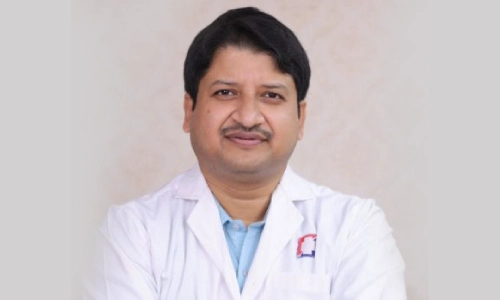
DR. SOMAK DAS
Qualifications: MBBS, MS(GEN.SURG.) DNB(GASTRO.SURG), MCH
Specialty: GASTRO SURGEON
Fees: Rs. 1,200.00
Available Days: MON, WED & FRI
Available Time: BY APPOINTMENT

DR. D. K. SARKAR
Qualifications: MBBSMS, DNB FRCS, (GOLD), FFSTED
Specialty: GENERAL SURGEON
Fees: Rs. 1,550.00
Available Days: MON, WED,THU & SAT
Available Time: MON WED,THU-16:00 & SAT-15:00

DR. RUDRADEEP BANERJEE
Qualifications: MS.(GEN.SURG), D.N. BMRCS
Specialty: GENERAL SURGEON
Fees: Rs. 1,000.00
Available Days: BY APPOINTMENT
Available Time: BY APPOINTMENT
DR. RANAJOY DUTTA
Qualifications: MBBS, M.S D.N.B
Specialty: GENERAL SURGEON
Fees: Rs. 1,200.00
Available Days: WED, SAT
Available Time: 17:00 - 18:00 PM
DR. ACHINTA KR DAS
Qualifications: MBBS, MS
Specialty: GENERAL SURGEON
Fees: Rs. 1,200.00
Available Days: BY APPOINTMENT
Available Time:BY APPOINTMENT
DR. SAMRIDDHI PODDAR
Qualifications: MBBS(HONS), MS(SURGERY), WBUHS NRSMCH
Specialty: GENERAL SURGEON
Fees: Rs. 1,000.00
Available Days: TUE & WED
Available Time: TUE 16:30-17:30 & WED 18:00-19:00
DR . B . B . BARAI
Qualifications: MBBS, DNB, PG DGM, CCEBDM
Specialty: GENERAL SURGEON
Fees: Rs. 1,200.00
Available Days: MON /FRIDAY
Available Time: 11:00-13:00
DR. SAPTARSHI KUNDU
Qualifications: MBBS, MS (GEN SUR)
Specialty: GENERAL SURGEON
Fees: Rs. 700.00
Available Days: BY APPOINTMENT
Available Time: BY APPOINTMENT
DR. MAINAK PAL
Qualifications: MBBS, MS, FMAS(GEN.SURG)
Specialty: GENERAL SURGEON
Fees: Rs. 1,000.00
Available Days: MON -FRI
Available Time: 17:00-18:00
DR. SUKANTA ROY
Qualifications: MBBS, MS(GASTO)
Specialty: GASTRO SURGEON
Fees: Rs. 1,000.00
Available Days: BY APPOINTMENT
Available Time: BY APPOINTMENT

DR. UDDIPTA DUTTA
Specialty: GASTRO SURGEON
Fees: Rs. 900.00
Available Days: BY APPOINTMENT
Available Time: BY APPOINTMENT
Hear From Our Happy Patients
Very good nursing home. All staff good.
A really good hospital with good critical and surgical care. Staffs are very cooperative..
Here the service are very good। Very good hospital
very good nursing home
Nurse didi gulo khub bhalo all staff bhalo 100.90% bhalo
Are good nursing hom varehalp pol anepplamkontak stap vare Good
Good experience All facilities is good
Best hospital Very good facility
Doctors, Nursing staff, other staff are very good, everything is good, only few accommodation issue is not adjustable.
Liked the place...staffs...sisters all helpful...and special thanks to my doctor..Doctor Sukanta Ray...he is next to God to me
Liked the place...staffs...sisters all helpful...and special thanks to my doctor..Doctor Sukanta Ray...he is next to God to me
Individuals at Higher Risk of Complex Bone Fractures Needing Treatment
| Groups | Outcome |
|---|---|
| Older adults | Lower bone density and increased fall risk. |
| With osteoporosis | Weak bones and higher fracture risk. |
| With cancer | Bone weakening from cancer treatment. |
| With chronic diseases | Structural bone weakening and fracture risk. |
| Having road traffic injuries | High-energy trauma can cause multiple or complex fractures. |
| With sports injuries | Twisting, falls, and collisions can damage bones and surrounding structures. |
| Having a previous fracture | Earlier injuries may affect bone strength or normal biomechanics. |
| With occupational trauma | Workplace falls, machinery, and accidents can cause significant injuries. |
| With high-impact falls | Heavy landings can fracture limbs, pelvis, or other bones. |
| With multiple injuries | Several affected body regions may require coordinated orthopaedic care. |
| Delaying treatment | Untreated displacement or instability can impair proper healing. |
Bone Fracture Patterns, Diagnosis & Treatment Approach
| Type of Bone Fracture | What It Feels Like | How It Is Checked | How It Is Treated | What to Expect |
|---|---|---|---|---|
| Stable | Pain, swelling, and limited movement. | Examination and X-rays. | Cast, splint, or brace. | Usually heals reliably with immobilisation. |
| Displaced | Sharp pain, swelling, deformity, reduced function. | Examination and multi-view X-rays. | Bone realignment, immobilisation, or fixation. | Recovery depends on alignment and bone involved. |
| Open | Severe pain, open wound, possible visible bone. | Emergency trauma assessment and imaging. | Wound cleaning, IV antibiotics, tetanus protection, stabilisation. | Higher infection risk requires close monitoring. |
| Intra-articular | Severe joint pain, swelling, difficulty bearing weight. | Examination, X-ray, and CT. | Joint-surface realignment, immobilisation, rehabilitation. | Higher arthritis risk; rehabilitation is important. |
| Multiple | Widespread pain, severe trauma, limited mobility. | Trauma assessment, CT, and X-rays. | Stabilisation, staged surgery, intensive care. | Longer hospital stay and complex recovery. |
| Delayed Union & Non-union | Persistent pain, tenderness, weakness. | Follow-up X-rays or CT scans. | Extended immobilisation, bone stimulation, grafting, or revision surgery. | Healing may require prolonged treatment. |
How Is a Bone Fracture Evaluated?
Clinical Assessment
- Medical history
- Physical examination
- Assessment of swelling and deformity
- Circulation and nerve examination
Imaging Tests
- X-ray examination
- CT scan
- MRI scan
- Bone scan
Further Evaluation
- Blood tests
- Evaluation of other injuries after major trauma
Treatments Available For Bone Fracture
Bone Fracture Treatment: What to Expect?
Before
- Complete fracture assessment.
- Undergo X-rays, CT, or MRI.
- Stabilise with a splint or brace.
- Manage pain and swelling.
During
- Realign displaced bones through closed reduction.
- Apply plaster or fibreglass casts.
- Use splints for temporary immobilisation.
- Perform ORIF with plates, screws, rods, or pins.
After
- Monitor healing through follow-up imaging.
- Keep the cast dry.
- Maintain calcium, protein, and vitamin D.
- Begin physiotherapy for recovery.
Benefits of Bone Fracture Treatment
- Restored bone alignment
- Improved stability
- Better limb function
- Reduced pain and swelling
- Improved movement
- Reduced risk of abnormal healing
- Earlier progression toward daily activities
- Support for long-term recovery
Recovery After Bone Fracture Treatment
Days 1–7: Swelling and inflammation settle.
Weeks 2–3: Soft callus stabilises bones.
Weeks 3–12: Hard bone develops.
Months–years: Bone remodels and strengthens.
3–6 weeks: Finger or toe healing.
6–8 weeks: Wrist healing.
6–10 weeks: Ankle healing.
10–16 weeks: Tibia healing.
12–20 weeks: Femur healing.
Complications If a Bone Fracture Is Left Untreated
-
Malunion
Improper bone alignment.
-
Nonunion
Fracture fails to heal.
-
Chronic pain
Persistent discomfort and stiffness.
-
Arthritis
Early joint degeneration.
-
Infection
Bone infection may develop.
-
Nerve damage
Numbness or weakness.
-
Blood vessel damage
Reduced circulation.
-
Mobility loss
Restricted movement.
Post-Bone Fracture Treatment Daily Management & Prevention Tips
Management
- Eat calcium-rich foods.
- Maintain adequate vitamin D.
- Eat sufficient protein.
- Avoid smoking and alcohol.
- Limit caffeine and excess salt.
- Use mobility aids safely.
- Begin physiotherapy when cleared.
- Protect the treated area.
- Elevate the injured limb.
- Apply ice for swelling.
- Keep casts and wounds dry.
- Attend follow-up imaging reviews.
- Progress weight-bearing as advised.
Prevention
- Remove household trip hazards.
- Improve lighting and handrails.
- Perform safe weight-bearing exercises.
- Maintain safe lifting posture.
- Wear protective sports equipment.
- Maintain muscle strength and balance.
- Wear stable footwear.
- Use workplace safety equipment.
- Avoid premature strenuous activities.
- Seek prompt assessment after trauma.
Frequently Asked Questions
Is bone fracture treatment painful?
Some discomfort is expected after an injury or procedure. Appropriate pain relief, immobilisation, elevation, and other measures can help control symptoms during healing.
Does extra calcium make bones heal faster?
No. Adequate calcium supports normal repair, but excess intake does not accelerate recovery or improve healing beyond the body’s requirements.
Does a cast weaken the bone itself?
Yes. Reduced movement during immobilisation can temporarily decrease muscle strength and bone density, but these changes generally improve after rehabilitation and normal activity resumes.
Do healed bones become stronger than before?
No. Newly formed tissue may initially be thicker around the injured area, but remodelling gradually restores its original structure and strength.
Do minor finger or toe fractures heal without care?
No. Some minor injuries heal naturally, but proper assessment helps prevent misalignment, persistent pain, stiffness, and impaired function.