

Hysterectomy Operation in Kolkata
Home / Treatments / Gynaecology & Obstetrics / Laparoscopic hysterectomy
Quick Answers
Can laparoscopic hysterectomy cause menopause?
No. Keeping the ovaries usually allows hormone production to continue normally.
Can laparoscopic hysterectomy affect sex life?
No. Many women experience no lasting change after healing and recovery.
Is laparoscopic hysterectomy possible after C-sections?
Yes. Previous operations do not always prevent this minimally invasive approach.
Does laparoscopic hysterectomy leave visible scars?
Yes. It usually involves 3 to 4 tiny incisions that fade into faint, minimal lines over time.
What Is Laparoscopic Hysterectomy?
A minimally invasive keyhole surgery used to remove the uterus through a few small cuts in the abdomen
Key points:
- Ovaries can usually stay
- Tubes may also be removed
- You may go home same-day
- Uterus may be removed in pieces
Types of Hysterectomy Operations
Total Laparoscopic Hysterectomy (TLH)
Removes the uterus and cervix through small abdominal cuts.
Laparoscopic Supracervical (Subtotal) Hysterectomy (LSH)
Removes the upper uterus while leaving the cervix intact.
Laparoscopic Hysterectomy with Salpingo-Oophorectomy
Removes the uterus, fallopian tubes, and one or both ovaries.
Radical Laparoscopic Hysterectomy
Removes the uterus, cervix, upper vagina, and surrounding tissues for cancer.
Laparoscopic-Assisted Vaginal Hysterectomy (LAVH)
Uses abdominal keyhole surgery, followed by removal through the vagina.
Robot-Assisted Laparoscopic Hysterectomy
Uses surgeon-controlled robotic instruments with 3D views and precise movement.
Symptoms Requiring Hysterectomy Operation
Common Symptoms
- Very heavy or prolonged menstrual bleeding
- Persistent pelvic pain affecting daily activities
- Pelvic pressure from large uterine fibroids
- Frequent urination or severe constipation
- Vaginal bulging or pressure from prolapse
- Abnormal bleeding or unusual vaginal discharge
Red Flags Requiring Immediate Medical Care
- Heavy bleeding soaking a pad every hour
- Fever above 38°C or severe chills
- Foul-smelling or pus-like vaginal discharge
- One-sided calf pain, swelling, warmth, or redness
- Sudden breathlessness, chest pain, or coughing blood
- Severe worsening abdominal pain despite medication
- Inability to urinate or pass bowel movements
- Persistent vomiting with inability to pass gas
Why Choose Samaritan Medical Surgical & Critical Care?
At Samaritan Medical Surgical & Critical Care, we provide comprehensive healthcare solutions as per your needs. With a team of expert professionals, we focus on delivering compassionate, patient-centred care for optimal well-being.

NABH Certified
Accredited by NABH, ensuring the highest standards of healthcare quality and patient safety.

Surgical Excellence
Our skilled surgeons offer precision care for a wide range of surgical procedures.

Critical Care Support
Providing round-the-clock critical care with advanced equipment and expert medical teams.
Our Doctors
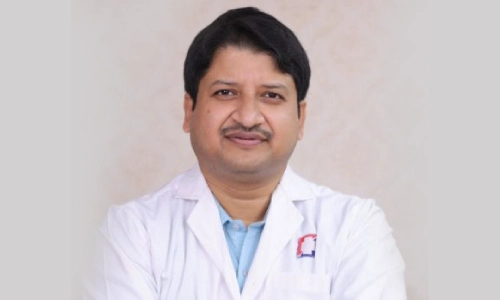
DR. SOMAK DAS
Qualifications: MBBS, MS(GEN.SURG.) DNB(GASTRO.SURG), MCH
Specialty: GASTRO SURGEON
Fees: Rs. 1,200.00
Available Days: MON, WED & FRI
Available Time: BY APPOINTMENT

DR. D. K. SARKAR
Qualifications: MBBSMS, DNB FRCS, (GOLD), FFSTED
Specialty: GENERAL SURGEON
Fees: Rs. 1,550.00
Available Days: MON, WED,THU & SAT
Available Time: MON WED,THU-16:00 & SAT-15:00

DR. RUDRADEEP BANERJEE
Qualifications: MS.(GEN.SURG), D.N. BMRCS
Specialty: GENERAL SURGEON
Fees: Rs. 1,000.00
Available Days: BY APPOINTMENT
Available Time: BY APPOINTMENT
DR. RANAJOY DUTTA
Qualifications: MBBS, M.S D.N.B
Specialty: GENERAL SURGEON
Fees: Rs. 1,200.00
Available Days: WED, SAT
Available Time: 17:00 - 18:00 PM
DR. ACHINTA KR DAS
Qualifications: MBBS, MS
Specialty: GENERAL SURGEON
Fees: Rs. 1,200.00
Available Days: BY APPOINTMENT
Available Time:BY APPOINTMENT
DR. SAMRIDDHI PODDAR
Qualifications: MBBS(HONS), MS(SURGERY), WBUHS NRSMCH
Specialty: GENERAL SURGEON
Fees: Rs. 1,000.00
Available Days: TUE & WED
Available Time: TUE 16:30-17:30 & WED 18:00-19:00
DR . B . B . BARAI
Qualifications: MBBS, DNB, PG DGM, CCEBDM
Specialty: GENERAL SURGEON
Fees: Rs. 1,200.00
Available Days: MON /FRIDAY
Available Time: 11:00-13:00
DR. SAPTARSHI KUNDU
Qualifications: MBBS, MS (GEN SUR)
Specialty: GENERAL SURGEON
Fees: Rs. 700.00
Available Days: BY APPOINTMENT
Available Time: BY APPOINTMENT
DR. MAINAK PAL
Qualifications: MBBS, MS, FMAS(GEN.SURG)
Specialty: GENERAL SURGEON
Fees: Rs. 1,000.00
Available Days: MON -FRI
Available Time: 17:00-18:00
DR. SUKANTA ROY
Qualifications: MBBS, MS(GASTO)
Specialty: GASTRO SURGEON
Fees: Rs. 1,000.00
Available Days: BY APPOINTMENT
Available Time: BY APPOINTMENT

DR. UDDIPTA DUTTA
Specialty: GASTRO SURGEON
Fees: Rs. 900.00
Available Days: BY APPOINTMENT
Available Time: BY APPOINTMENT
Hear From Our Happy Patients
Very good nursing home. All staff good.
A really good hospital with good critical and surgical care. Staffs are very cooperative..
Here the service are very good। Very good hospital
very good nursing home
Nurse didi gulo khub bhalo all staff bhalo 100.90% bhalo
Are good nursing hom varehalp pol anepplamkontak stap vare Good
Good experience All facilities is good
Best hospital Very good facility
Doctors, Nursing staff, other staff are very good, everything is good, only few accommodation issue is not adjustable.
Liked the place...staffs...sisters all helpful...and special thanks to my doctor..Doctor Sukanta Ray...he is next to God to me
Liked the place...staffs...sisters all helpful...and special thanks to my doctor..Doctor Sukanta Ray...he is next to God to me
Individuals at Higher Risk for Complex Hysterectomy
| Patient Group | Why Surgery May Be More Challenging |
|---|---|
| Large or multiple fibroids | An enlarged uterus can make minimally invasive removal technically more challenging. |
| Previous pelvic surgery | Adhesions from earlier surgery may increase procedural complexity. |
| Severe endometriosis | Distorted pelvic anatomy can make surgery more technically difficult. |
| Pelvic adhesions | Scar tissue may involve or attach to surrounding organs. |
| Previous caesarean surgery | Adhesions around the bladder and uterus may affect surgical access. |
| Obesity | Anaesthetic and surgical risks may be higher. |
| Significant medical conditions | Diabetes, hypertension, or other conditions may need optimisation before surgery. |
| Suspected or confirmed cancer | Surgical planning depends on the cancer type and extent. |
Hysterectomy Patterns, Diagnosis & Treatment Approach
| Pattern | Clinical Presentation | Diagnosis & Initial Approach | Advanced Intervention | Outcome |
|---|---|---|---|---|
| Fibroids | Heavy bleeding, pressure or pain | Examination and imaging | Laparoscopic hysterectomy when appropriate | Removal of the uterus and fibroid-related symptoms |
| Adenomyosis | Heavy, painful periods and pelvic pain | Examination and imaging | Hysterectomy when definitive treatment is appropriate | Definitive treatment for uterine disease |
| Endometriosis | Pelvic pain and other symptoms | Clinical assessment and imaging | Laparoscopic surgery with appropriate excision when indicated | Symptom improvement varies by disease |
| Uterine prolapse | Uterus descends towards or through the vagina | Pelvic examination | Hysterectomy with prolapse repair when indicated | Correction of prolapse-related anatomy |
| Gynaecological cancer | Abnormal bleeding or other cancer-related symptoms | Imaging, biopsy and staging | Cancer-specific hysterectomy | Depends on cancer type and stage |
What Tests and Diagnosis Confirm the Need for Hysterectomy?
Diagnostic Tests
- Pelvic Exam
- Pelvic Ultrasound
- Endometrial Biopsy
- Pelvic MRI
- Pap Smear
Pre-Surgical Blood and Fitness Tests
- Complete Blood Count (CBC)
- General Blood Panels
- Imaging or ECG
Laparoscopic Hysterectomy Operation: What to Expect?
Before
- Health history and blood tests
- General anaesthesia discussion
- Fasting or bowel preparation
During
- General anaesthesia
- Tiny cuts around the belly button
- Carbon dioxide expands the abdomen
- Camera views uterus and pelvic organs
- Uterus removed through cuts or vagina
After
- Hospital stay up to three days
- Soreness around abdominal cuts
- Trapped gas may cause shoulder pain
- Light vaginal bleeding
Benefits of Laparoscopic Hysterectomy
- Smaller abdominal incisions.
- Less postoperative discomfort for many patients.
- Shorter hospital stay in appropriate cases.
- Faster recovery than open abdominal surgery in many patients.
- Smaller visible scars.
- Earlier return to normal activities compared with open surgery.
Hysterectomy Operation Success Rate in India
| Metric | Outcome |
|---|---|
| Overall completion and success | 95%–98.2% |
| Conversion to open surgery | 0.67%–5.1% |
Recovery After Laparoscopic Hysterectomy Operation
1–2 days: Hospital discharge
First week: Gentle walking and mild discomfort
Weeks 2–4: Light activities and desk work
Weeks 4–6: Near-complete recovery
After 6 weeks: Gradual return to strenuous activity
Complications If Hysterectomy Is Not Properly Managed
- Heavy bleeding (Haemorrhage)
- Bladder, ureter, or bowel injury
- Pelvic, wound, or urinary infections
- Blood clots (Venous Thromboembolism) in legs or lungs
- Vaginal cuff dehiscence (closure reopening after surgery)
- Temporary or prolonged nerve injury
- Long-term pelvic organ prolapse developing later
Post-Treatment Daily Management & Prevention Tips
Management
- Balance rest with walking
- Keep incisions clean and dry
- Take prescribed medicines regularly
- Drink plenty of water
- Eat high-fibre foods
Prevention
- Walk frequently to prevent clots
- Move legs while resting
- Support abdomen when coughing
- Avoid tampons and douching
- Avoid intercourse during healing
- Watch for infection signs
Frequently Asked Questions
Will periods stop after hysterectomy?
Yes. Without the uterine lining, monthly bleeding no longer occurs, although hormonal cycles may continue when ovaries remain.
Can one become pregnant after hysterectomy?
No. The uterus is required to carry a pregnancy, so conception cannot result in childbirth following its removal.
Is laparoscopic hysterectomy used for cancer?
Yes. It may treat selected cancers, depending on tumour type, stage, spread, and whether minimally invasive surgery is clinically appropriate.
Can laparoscopic hysterectomy cause weight gain?
No. Removing the uterus does not directly change metabolism; temporary changes may occur during recovery because of reduced activity, bloating, or fluid retention.
Does laparoscopic hysterectomy leave empty space?
No. Nearby bowel and pelvic structures naturally shift within the pelvis, while existing supporting tissues help maintain their normal position.