

Slipped Disc Treatment in Kolkata
Home / Treatments / Neurology & Neurosurgery / Slipped disc
Quick Answers
Can adults have disc changes without symptoms?
Yes. Up to 70% of adults show these findings without experiencing related discomfort.
Where can nerve compression cause pain or tingling?
It can affect the buttocks, legs, or feet, causing sharp sensations, numbness, or tingling.
Does sitting increase pressure on the lower spine?
Yes. Prolonged slouching creates substantially greater mechanical pressure than standing or walking.
How quickly do most people recover without surgery?
More than 90% recover within 6–12 weeks with conservative treatment.
What Is a Slipped Disc?
Also called a herniated or prolapsed disc, it occurs when the soft inner portion of a spinal disc pushes through a weakened or torn outer layer. If it presses on a nearby nerve, it can cause back pain, sciatica, numbness, tingling or weakness.
A slipped disc is a misleading name, as it does not actually slip out of place. The disc remains between the vertebrae, although its inner material can protrude through a weakened outer layer.
Key points:
- Nicotine reduces spinal disc nutrient supply.
- Slouching increases lumbar mechanical pressure.
- 90% of people heal fully within 6–12 weeks.
- Up to 70% show disc changes without symptoms.
Types of Slipped Disc
Protrusion (Bulging Disc)
The outer disc layer stays intact while the inner core bulges outward.
Extrusion
A tear lets inner disc material push completely past the fibrous layer.
Sequestration (Free Fragment)
A broken disc piece separates completely and moves into the spinal canal space.
Lumbar Location
Lower back herniation affects nerves that run down into the legs and feet.
Cervical Location
Neck disc injuries put pressure on nerves that supply the arms and hands.
Thoracic Location
Mid-back herniation presses on nerves wrapping around the rib cage.
Symptoms Of Slipped Disc
Common Symptoms
- Radiating pain down limbs.
- Numbness or tingling along nerves.
- Muscle weakness affecting movement.
- Movement-linked pain during bending.
- Localised ache with spasms.
Red Flags Requiring Immediate Medical Care
- Bladder or bowel dysfunction.
- Urinary retention or difficulty urinating.
- Saddle anaesthesia around groin.
- Bilateral leg weakness worsening rapidly.
Why Choose Samaritan Medical Surgical & Critical Care?
At Samaritan Medical Surgical & Critical Care, we provide comprehensive healthcare solutions as per your needs. With a team of expert professionals, we focus on delivering compassionate, patient-centred care for optimal well-being.

NABH Certified
Accredited by NABH, ensuring the highest standards of healthcare quality and patient safety.

Surgical Excellence
Our skilled surgeons offer precision care for a wide range of surgical procedures.

Critical Care Support
Providing round-the-clock critical care with advanced equipment and expert medical teams.
Our Doctors
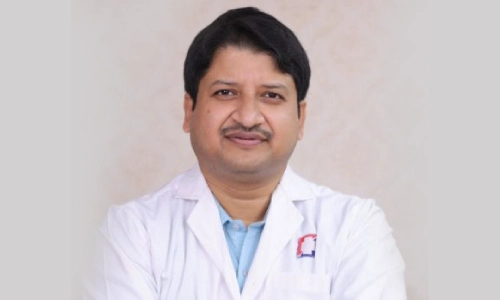
DR. SOMAK DAS
Qualifications: MBBS, MS(GEN.SURG.) DNB(GASTRO.SURG), MCH
Specialty: GASTRO SURGEON
Fees: Rs. 1,200.00
Available Days: MON, WED & FRI
Available Time: BY APPOINTMENT

DR. D. K. SARKAR
Qualifications: MBBSMS, DNB FRCS, (GOLD), FFSTED
Specialty: GENERAL SURGEON
Fees: Rs. 1,550.00
Available Days: MON, WED,THU & SAT
Available Time: MON WED,THU-16:00 & SAT-15:00
DR. RUDRADEEP BANERJEE
Qualifications: MS.(GEN.SURG), D.N. BMRCS
Specialty: GENERAL SURGEON
Fees: Rs. 1,000.00
Available Days: BY APPOINTMENT
Available Time: BY APPOINTMENT
DR. RANAJOY DUTTA
Qualifications: MBBS, M.S D.N.B
Specialty: GENERAL SURGEON
Fees: Rs. 1,200.00
Available Days: WED, SAT
Available Time: 17:00 - 18:00 PM
DR. ACHINTA KR DAS
Qualifications: MBBS, MS
Specialty: GENERAL SURGEON
Fees: Rs. 1,200.00
Available Days: BY APPOINTMENT
Available Time:BY APPOINTMENT
DR. SAMRIDDHI PODDAR
Qualifications: MBBS(HONS), MS(SURGERY), WBUHS NRSMCH
Specialty: GENERAL SURGEON
Fees: Rs. 1,000.00
Available Days: TUE & WED
Available Time: TUE 16:30-17:30 & WED 18:00-19:00
DR . B . B . BARAI
Qualifications: MBBS, DNB, PG DGM, CCEBDM
Specialty: GENERAL SURGEON
Fees: Rs. 1,200.00
Available Days: MON /FRIDAY
Available Time: 11:00-13:00
DR. SAPTARSHI KUNDU
Qualifications: MBBS, MS (GEN SUR)
Specialty: GENERAL SURGEON
Fees: Rs. 700.00
Available Days: BY APPOINTMENT
Available Time: BY APPOINTMENT
DR. MAINAK PAL
Qualifications: MBBS, MS, FMAS(GEN.SURG)
Specialty: GENERAL SURGEON
Fees: Rs. 1,000.00
Available Days: MON -FRI
Available Time: 17:00-18:00
DR. SUKANTA ROY
Qualifications: MBBS, MS(GASTO)
Specialty: GASTRO SURGEON
Fees: Rs. 1,000.00
Available Days: BY APPOINTMENT
Available Time: BY APPOINTMENT

DR. UDDIPTA DUTTA
Specialty: GASTRO SURGEON
Fees: Rs. 900.00
Available Days: BY APPOINTMENT
Available Time: BY APPOINTMENT
Hear From Our Happy Patients
Very good nursing home. All staff good.
A really good hospital with good critical and surgical care. Staffs are very cooperative..
Here the service are very good। Very good hospital
very good nursing home
Nurse didi gulo khub bhalo all staff bhalo 100.90% bhalo
Are good nursing hom varehalp pol anepplamkontak stap vare Good
Good experience All facilities is good
Best hospital Very good facility
Doctors, Nursing staff, other staff are very good, everything is good, only few accommodation issue is not adjustable.
Liked the place...staffs...sisters all helpful...and special thanks to my doctor..Doctor Sukanta Ray...he is next to God to me
Liked the place...staffs...sisters all helpful...and special thanks to my doctor..Doctor Sukanta Ray...he is next to God to me
Individuals at Higher Risk for Slipped Disc
| Groups | Outcomes |
|---|---|
| Older adults | Disc degeneration can increase susceptibility. |
| Heavy-lifting workers | Improper lifting can stress spinal discs. |
| Physically inactive individuals | Reduced conditioning may increase back strain. |
| Overweight individuals | Additional mechanical load can stress the spine. |
| With prolonged sitting | Long periods of sitting may aggravate spinal symptoms. |
| With previous back injury | An earlier spinal injury may contribute to recurrent symptoms. |
| Smokers | Smoking can weaken disc tissue and affect spinal health. |
Slipped Disc Patterns, Diagnosis & Treatment Approach
| Pattern | Slipped Disc Condition | Diagnosis & Initial Approach | Advanced Interventions | Expected Outcome |
|---|---|---|---|---|
| Back with leg pain | Lumbar disc herniation | Neurological assessment, MRI when indicated | Nerve decompression | Reduced sciatica |
| Numbness or tingling | Nerve-root compression | Neurological examination | Targeted decompression | Improved nerve symptoms |
| Persistent pain | Symptomatic disc herniation | Clinical assessment and imaging | Specialist treatment | Better pain control |
| Progressive weakness | Significant nerve compression | Urgent neurological assessment | Surgical decompression when indicated | Protection of nerve function |
| Neck and arm symptoms | Cervical disc herniation | Examination and cervical imaging | Cervical decompression | Reduced arm symptoms |
How Is a Slipped Disc Evaluated?
Medical history: Reviews pain, onset and symptoms.
Neurological examination: Checks strength, reflexes and sensation.
Straight Leg Raise: Identifies nerve-related leg pain.
MRI: Shows discs, nerves and soft tissues.
X-ray: Rules out bone abnormalities.
CT scan: Provides detailed spinal images.
EMG (Electromyogram): Detects nerve and muscle abnormalities.
What Treatments Are Available for Slipped Disc?
Pain-relieving medications
Physical Therapy
Activity Modification
Hot and Cold Therapy
Epidural Steroid Injections
Microdiscectomy
Spinal Fusion
Artificial Disc Replacement
Slipped Disc Treatment: What to Expect?
Before
- History, posture and neurological examination.
- Imaging tests (MRI or CT scan)
- Pain control and nerve protection.
During
- Medicines and short-term rest.
- Stretching and core-strengthening exercises.
- Epidural steroids reduce inflammation.
- Microdiscectomy removes damaged disc material.
After
- Avoid bending, lifting and twisting.
- Slowly restart walking and daily activities.
- Ergonomics and core-strengthening exercises.
Benefits of Slipped Disc Treatment
- Reduces back and leg pain
- Relieves nerve irritation or compression
- Improves mobility
- Reduces numbness and tingling
- Supports recovery of muscle function
- Improves sleep and daily activities
- Supports return to work
- Helps restore quality of life
Slipped Disc Treatment Success in India
| Treatment | Success Rate & Outcome |
|---|---|
| Overall treatment | 80–95% — High success |
| Microdiscectomy | 85–95% — Pain relief |
| Endoscopic surgery | 80–95% — Faster recovery |
| MISS | 85–95% — Less tissue damage |
| Laminectomy | 75–85% — Nerve decompression |
| Artificial disc replacement/fusion | 80–90% — Spinal stability |
Recovery After Slipped Disc Treatment
Weeks 1–2: Pain and inflammation; focus on symptom relief.
Weeks 3–6: Mobility improves; begin guided physical therapy
Weeks 6–12: Build core strength and spinal stability.
Months 3–6: Gradually resume heavier or high-impact activities.
Complications If Slipped Disc Is Left Untreated
- Permanent nerve damage
- Chronic pain
- Saddle anaesthesia
- Bladder or bowel dysfunction
- Cauda equina syndrome
- Progressive muscle atrophy
- Difficulty walking or standing
Post-Treatment Daily Management & Prevention Tips
Management
- Take prescribed medicines as directed.
- Stay physically active within comfortable limits.
- Follow your prescribed physiotherapy programme.
- Avoid prolonged bed rest.
- Maintain proper posture while sitting.
- Take breaks from prolonged sitting.
- Use supportive sleeping positions.
Prevention
- Maintain regular physical activity.
- Strengthen core and back muscles.
- Maintain a healthy body weight.
- Practise good sitting and standing posture.
- Bend your knees when lifting objects.
- Avoid smoking to support disc health.
- Stay adequately hydrated.
Frequently Asked Questions
Can a slipped disc actually move out of its normal position?
No. Spinal discs remain firmly attached between the vertebrae. They can bulge, tear, or herniate, but they do not actually move out of place.
Can a slipped disc develop without a major injury or accident?
Yes. It can develop gradually through everyday wear and tear, ageing, and poor posture. Sudden heavy lifting or a fall may also trigger herniation, but major trauma is not always necessary.
Could back pain have causes other than a slipped disc?
Yes. Muscle strains, poor posture, and joint stiffness can cause discomfort. Disc problems account for only a portion of back pain cases, so symptoms do not automatically indicate herniation.
Can a slipped disc heal naturally over time?
Yes. Many herniated discs can shrink or reabsorb naturally. People often recover normal function and become pain-free without surgery or prolonged treatment.
Can a slipped disc exist without causing severe pain?
Yes. Some people have disc bulges visible on MRI scans without experiencing discomfort. Symptoms usually occur when the affected material irritates or presses on a nearby nerve.