
Functional Endoscopic Sinus Surgery (FESS) in Kolkata
Home / Treatments / ENT/ Sinusitis & FESS
Quick Answers
When is FESS recommended for sinusitis?
When chronic sinusitis persists despite appropriate medical treatment.
Is FESS performed through the nose?
Yes, through an endoscope inserted through the nostrils, avoiding external facial incisions.
Can sinusitis improve without surgery?
Yes. Many cases improve with medical treatment, without requiring surgery.
Does FESS require general anaesthesia?
Usually, yes. However, the exact plan depends on the procedure and individual circumstances.
What Is Sinusitis?
It is an inflammation or swelling of the tissue lining your facial sinuses. These air-filled spaces can become blocked, causing congestion, facial pressure, headache, nasal discharge, and reduced sense of smell. When symptoms continue despite appropriate medical treatment, an ENT specialist may consider Functional Endoscopic Sinus Surgery (FESS).
Key points:
- Affects nearly 134 million Indians annually.
- About 20% of acute sinus infections become chronic.
- Chronic rhinosinusitis (CRS) affects 12%–15% of urban Indians.
- Fungal rhinosinusitis comprises 22%–27.5% of cases.
Types of Sinus Conditions
Acute Sinusitis
Short-term sinus inflammation or infection, often following a cold, lasting under four weeks
Chronic Sinusitis
Long-term sinus inflammation lasting 12 weeks or longer despite treatment
Allergic Rhinitis
Nasal passage inflammation triggered by allergens such as pollen, dust, or pet dander.
Nasal Polyps
Soft, noncancerous growths caused by chronic inflammation inside nasal passages or sinuses.
Deviated Septum
Displacement of bone and cartilage dividing nostrils, potentially blocking one side.
Swollen Turbinates
Enlarged nasal structures that humidify air and may cause nasal obstruction.
Nasal and Sinus Tumours
Rare benign or malignant growths developing inside nasal or sinus cavities.
Symptoms of Sinusitis
Common Symptoms
- Facial pain or pressure around sinuses
- Nasal congestion making breathing difficult
- Thick, discoloured mucus from nose
- Reduced sense of smell or taste
- Cough worsening during nighttime
- Sore throat and bad breath
- Fatigue or feeling generally unwell
- Mild headache or upper-jaw toothache
Red Flags (Seek Immediate Medical Care)
- High fever not improving with medication
- Vision changes including blurred or double vision
- Severe headache with stiff neck
- Confusion or difficulty thinking clearly
- Swelling or redness around eyes, forehead
- Unusual drowsiness with severe sinus symptoms
Why Choose Samaritan Medical Surgical & Critical Care?
At Samaritan Medical Surgical & Critical Care, we provide comprehensive healthcare solutions as per your needs. With a team of expert professionals, we focus on delivering compassionate, patient-centred care for optimal well-being.

NABH Certified
Accredited by NABH, ensuring the highest standards of healthcare quality and patient safety.

Surgical Excellence
Our skilled surgeons offer precision care for a wide range of surgical procedures.

Critical Care Support
Providing round-the-clock critical care with advanced equipment and expert medical teams.
Our Doctors
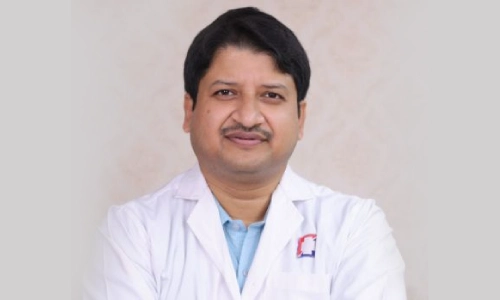
DR. SOMAK DAS
Qualifications: MBBS, MS(GEN.SURG.) DNB(GASTRO.SURG), MCH
Specialty: GASTRO SURGEON
Fees: Rs. 1,200.00
Available Days: MON, WED & FRI
Available Time: BY APPOINTMENT

DR. D. K. SARKAR
Qualifications: MBBSMS, DNB FRCS, (GOLD), FFSTED
Specialty: GENERAL SURGEON
Fees: Rs. 1,550.00
Available Days: MON, WED,THU & SAT
Available Time: MON WED,THU-16:00 & SAT-15:00

DR. RUDRADEEP BANERJEE
Qualifications: MS.(GEN.SURG), D.N. BMRCS
Specialty: GENERAL SURGEON
Fees: Rs. 1,000.00
Available Days: BY APPOINTMENT
Available Time: BY APPOINTMENT
DR. RANAJOY DUTTA
Qualifications: MBBS, M.S D.N.B
Specialty: GENERAL SURGEON
Fees: Rs. 1,200.00
Available Days: WED, SAT
Available Time: 17:00 - 18:00 PM
DR. ACHINTA KR DAS
Qualifications: MBBS, MS
Specialty: GENERAL SURGEON
Fees: Rs. 1,200.00
Available Days: BY APPOINTMENT
Available Time:BY APPOINTMENT
DR. SAMRIDDHI PODDAR
Qualifications: MBBS(HONS), MS(SURGERY), WBUHS NRSMCH
Specialty: GENERAL SURGEON
Fees: Rs. 1,000.00
Available Days: TUE & WED
Available Time: TUE 16:30-17:30 & WED 18:00-19:00
DR . B . B . BARAI
Qualifications: MBBS, DNB, PG DGM, CCEBDM
Specialty: GENERAL SURGEON
Fees: Rs. 1,200.00
Available Days: MON /FRIDAY
Available Time: 11:00-13:00
DR. SAPTARSHI KUNDU
Qualifications: MBBS, MS (GEN SUR)
Specialty: GENERAL SURGEON
Fees: Rs. 700.00
Available Days: BY APPOINTMENT
Available Time: BY APPOINTMENT
DR. MAINAK PAL
Qualifications: MBBS, MS, FMAS(GEN.SURG)
Specialty: GENERAL SURGEON
Fees: Rs. 1,000.00
Available Days: MON -FRI
Available Time: 17:00-18:00
DR. SUKANTA ROY
Qualifications: MBBS, MS(GASTO)
Specialty: GASTRO SURGEON
Fees: Rs. 1,000.00
Available Days: BY APPOINTMENT
Available Time: BY APPOINTMENT

DR. UDDIPTA DUTTA
Specialty: GASTRO SURGEON
Fees: Rs. 900.00
Available Days: BY APPOINTMENT
Available Time: BY APPOINTMENT
Hear From Our Happy Patients
Very good nursing home.all staff best
I had Laproscopic surgery of gallbladder stone on 23/6/26 & Discharge on 25/6/26. I had wonderful experience in nursing home, Very cooperative staff. Particularly Ms Aditi (Head Sister charge) , she has cooperated very well with Smily face. OT is well equipped with high quality instruments, Dr Mukesh Karia has done wonderful operations.
Very good nursing home
Very Supportive Staff with 24*7 support. Along with Neat and Clean cloths and bed.
Great treatment and recuperation. Doctors nurses and support staff mase it feel like home .
Thakuuuu Samaritan nursing home........and Dr.babuuuu khubbbb valooooo..apnader sakoler babohar khub valo r porisheba khubbb khubbb valo sakol k. Ank ank ank dhannobad ......
Very good nursing home
Very good Treatment here and also staff behaviour has very good
I have admitted my father here twice under Dr Arindam Dutta sir for the DJ stenting and RIRS (Kidney stone) .The entire team of Samaritan was fantastic.Specially Ms Aditi Nandi was so humble and cooperative .She attended us every time and Given all facilities.Through out the admitting time and discharge,all the sisters,brothers,Housekeeping ,ward boy everyone was so polite and well mannered.
Individuals at Higher Risk for Persistent Sinusitis
| Groups | Factors |
|---|---|
| With asthma | Airway inflammation |
| With allergic rhinitis | Blocked sinus drainage |
| With immune system disorders | Weakened infection defence |
| Receiving chemotherapy | Weakened immune function |
| With cystic fibrosis | Thick, sticky mucus |
| With ciliary dyskinesia | Impaired mucus movement |
| With untreated upper-jaw tooth infections | Bacterial spread to sinuses |
| With a deviated nasal septum | Blocked mucus flow |
| With nasal polyps | Physical blockage of mucus flow |
| With large adenoids | Physical blockage of mucus flow |
| Regularly exposed to smoke | Nasal passage and cilia damage |
| Exposed to smog or industrial chemicals | Nasal passage and cilia damage |
| Older adults | Drier nasal passages and lower immunity |
Causes Of Sinusitis
Viral infections: Viruses trigger most acute cases.
Bacterial infections: Secondary bacteria grow in blockages.
Fungal infections: Environmental moulds target weak immunity.
Allergies: Environmental allergens trigger tissue swelling.
Environmental irritants: Smoke and pollution damage linings.
Nasal polyps: Tissue growths physically obstruct flow.
Deviated nasal septum: Crooked nostril walls narrow pathways.
Anatomical variations: Narrow openings restrict natural drainage.
Dental infections: Upper tooth infections spread upward.
Medical conditions: Immune disorders increase chronic susceptibility.
Sinusitis Patterns, Diagnosis & Treatment Approach
| Pattern | Condition | Initial Approach | When Is FESS Needed? | Expected Outcome |
|---|---|---|---|---|
| Short-term symptoms | Acute sinusitis | Symptom-based medical treatment | Rarely required | Symptoms usually improve |
| Persistent symptoms | Chronic sinusitis | Nasal medicines and saline treatment | Persistent disease despite treatment | Improved sinus drainage |
| Recurrent episodes | Recurrent sinusitis | Medical assessment and treatment | Frequent or difficult-to-treat disease | Reduced disease burden |
| Nasal obstruction | Polyps or blockage | Medical treatment and assessment | Persistent obstruction despite treatment | Improved nasal airflow |
| Structural obstruction | Restricted drainage pathways | ENT examination and imaging | Significant persistent blockage | Improved sinus ventilation |
| Difficult-to-treat disease | Severe chronic sinusitis | Specialist medical management | Symptoms remain despite treatment | Better drainage and symptoms |
How Is Sinusitis Evaluated?
Clinical Examination
Symptom history: Reviews duration and severity.
Symptom check: Assesses major sinus symptoms.
Facial assessment: Checks tenderness and inflammation.
Nasal examination: Checks internal nasal structures.
ENT examination: Assesses possible drainage problems.
Diagnostic Tests
Nasal endoscopy: Examines passages, polyps, drainage pathways.
CT scan: Shows detailed sinus anatomy.
Nasal swab/culture: Identifies bacteria or fungi.
Allergy testing: Identifies relevant allergic triggers.
Procedure & Recovery: What to Expect
Hospital-Based Care
Fluid replacement: IV fluids maintain blood pressure.
Blood tests: Monitor haemoglobin and blood loss.
Blood transfusion: Replaces blood after significant loss.
Close monitoring: Tracks vital signs for changes.
Acid reducers: Reduce acid and support healing.
Treating the Underlying Cause
Ulcer management: Treats ulcers and prevents recurrence.
Medication review: Adjusts medicines increasing bleeding risk.
Variceal treatment: Controls bleeding from swollen veins.
Infection treatment: Treats infection-related inflammation and ulcers.
Inflammatory conditions: Controls conditions such as colitis.
Endoscopic and Procedural Treatments
Endoscopy: Identifies and treats bleeding sources.
Medical clips: Seal actively bleeding blood vessels.
Heat therapy: Seals bleeding tissue effectively.
Injection therapy: Helps control active bleeding.
Emergency surgery: Stops bleeding when other treatments fail.
Recovery & Results Timeline
Days 1–3: Stabilisation and bleeding-source assessment.
Days 3–7: Monitoring confirms treatment response.
Weeks 1–4: Recovery depends on bleeding severity.
Long-Term: Treating the cause reduces recurrence risk.
Functional Endoscopic Sinus Surgery (FESS): What to Expect?
Before
- Review CT scans with ENT
- Fast for 6–8 hours
- Arrange responsible adult transportation
- Inform doctor about medications
During
- Receive general anesthesia
- Prepare nose with medications
- Insert endoscope through nostrils
- Remove obstructing tissue and bone
After
- Monitor for several hours
- Expect mild pain and congestion
- Avoid nose blowing and lifting
- Keep head elevated while resting
- Use prescribed nasal rinses
- Avoid swimming for several weeks
- Attend scheduled follow-up appointments
Benefits of Functional Endoscopic Sinus Surgery
Better drainage: Opens blocked sinus pathways.
Improved airflow: Reduces obstruction within passages.
Less facial pressure: May improve pressure-related symptoms.
Better sinus function: Restores drainage pathways.
No facial incision: Surgery uses nasal access.
Targeted treatment: Addresses obstructing sinus tissue.
Reduced disease burden: May improve persistent symptoms.
Success Rates for FESS in India
| Outcome | Rate |
|---|---|
| Nasal Obstruction / Blockage Improvement | 86%–88.9% |
| Headache / Facial Pain Improvement | 80%–82.4% |
| Nasal Discharge / Rhinorrhoea Improvement | 79%–90% |
| Post-Nasal Drip Improvement | 84.4%–95% |
| Smell Dysfunction (Anosmia) Improvement | 53.5% |
| Overall Patient Satisfaction | 83%–86.6% |
Recovery After Functional Endoscopic Sinus Surgery
24–48 Hours: Congestion, facial aching, bloody discharge.
Days 2–3: Swelling and stuffiness may peak.
Week 1: Fatigue continues; start saline irrigations.
Weeks 2–4: Breathing improves; light activities resume.
Weeks 4–6: Swelling subsides; normal routines resume.
Complications if Left Untreated
- Loss of smell and taste
- Fatigue and disrupted sleep
- Worsened respiratory problems
- Development of nasal polyps
- Orbital cellulitis and vision loss
- Meningitis or brain abscess
- Infection spreading into facial bones
Post FESS Daily Management & Prevention Tips
Management Tips
- Use saline nasal sprays regularly
- Avoid blowing your nose
- Sleep with your head elevated
- Take prescribed medications as directed
- Avoid heavy lifting and workouts
Prevention Tips
- Use a cool-mist humidifier
- Avoid smoke, dust, and fumes
- Drink plenty of water
- Avoid known allergy triggers
- Wash hands and avoid infections
Frequently Asked Questions
Can FESS cure chronic sinusitis permanently?
It may provide lasting relief, but underlying causes can persist, so ongoing medical treatment and follow-up are often needed to maintain long-term control.
Is FESS better than medicines for sinusitis?
Not necessarily. Doctors generally recommend medication first, considering surgery when appropriate treatment fails to adequately control persistent disease.
Does FESS leave scars on the face?
Usually no. The procedure is performed internally through the nostrils, so external facial incisions are generally unnecessary.
Can nasal polyps require FESS?
Yes. Surgery may be considered when growths obstruct nasal or sinus passages and symptoms continue despite appropriate medical treatment.
How is FESS different from conventional sinus surgery?
It uses an internal endoscope to identify and treat blocked pathways, avoiding the external incisions associated with older approaches.