
Hypertension Treatment in Kolkata
Home / Treatments / Internal Medicine & Critical Care / Hypertension
Quick Answers
How Common Is Hypertension Among Adults in India?
Nearly 1in 3Indian adults have hypertension, making it a major public health concern.
Can You Have Hypertension Without Knowing It?
Hypertension often causes no symptoms and may remain undetected for years.
Why Is Hypertension Called a Silent Killer?
It can silently damage vital organs before noticeable symptoms or serious complications develop.
Does Hypertension Affect More Than Just Your Heart?
It can also damage the brain, kidneys, eyes and blood vessels.
What Is Hypertension?
Also known as high blood pressure, hypertension occurs when the force of blood against artery walls remains consistently too high.
Key points:
- Normal: Less than 120/80 mmHg.
- Elevated: 120–129 mmHg systolic and less than 80 mmHg diastolic.
- Stage 1 Hypertension: 130–139 systolic or 80–89 diastolic.
- Stage 2 Hypertension: 140 or higher systolic, or 90 or higher diastolic.
Types of Hypertension
Primary (Essential)
The most common type, developing gradually without a single identifiable cause.
Secondary
High blood pressure caused by an underlying medical condition or medication.
Resistant
Blood pressure remaining uncontrolled despite treatment with multiple appropriate medications.
Isolated Systolic
High systolic pressure with normal diastolic pressure, commonly affecting older adults.
Malignant
A severe blood pressure emergency requiring immediate medical assessment and treatment.
White-Coat
Blood pressure is high in clinical settings but normal outside them.
Symptoms of Hypertension
Common Symptoms
Hypertension often causes no noticeable symptoms. Some people may experience:
- Headaches
- Dizziness
- Blurred vision
- Shortness of breath
- Chest discomfort
- Nosebleeds in some cases
Red Flags (When to Seek Urgent Medical Care)
- Severe chest pain
- Sudden difficulty breathing
- Severe headache with confusion
- Sudden weakness or numbness
- Difficulty speaking
- Sudden vision changes
- Loss of consciousness
Why Choose Samaritan Medical Surgical & Critical Care?
At Samaritan Medical Surgical & Critical Care, we provide comprehensive healthcare solutions as per your needs. With a team of expert professionals, we focus on delivering compassionate, patient-centred care for optimal well-being.

NABH Certified
Accredited by NABH, ensuring the highest standards of healthcare quality and patient safety.

Surgical Excellence
Our skilled surgeons offer precision care for a wide range of surgical procedures.

Critical Care Support
Providing round-the-clock critical care with advanced equipment and expert medical teams.
Our Doctors

DR. D. K. SARKAR
Qualifications: MBBSMS, DNB FRCS, (GOLD), FFSTED
Specialty: GENERAL SURGEON
Fees: Rs. 1,550.00
Available Days: MON, WED, THURS & SAT
Available Time: MON, WED & THURS-16:00, SAT-15:00

DR. RANAJOY DUTTA
Qualifications: MBBS, MS, DNB
Specialty: GENERAL SURGEON
Fees: Rs. 1,200.00
Available Days: WED, SAT
Available Time: 17:00 - 18:00 PM

DR. SAPTARSHI KUNDU
Qualifications: MBBS, MS (GEN SUR)
Specialty: GENERAL SURGEON
Fees: Rs. 700.00
Available Days: BY APPOINTMENT
Available Time: BY APPOINTMENT
DR. RUDRADEEP BANERJEE
Qualifications: MS (Gen. Surg.), DNB, MRCS
Specialty: GENERAL SURGEON
Fees: Rs. 1,000.00
Available Days: BY APPOINTMENT
Available Time: BY APPOINTMENT
DR. ACHINTA KR DAS
Qualifications: MBBS, MS
Specialty: GENERAL SURGEON
Fees: Rs. 1,200.00
Available Days: BY APPOINTMENT
Available Time:BY APPOINTMENT
DR. SAMRIDDHI PODDAR
Qualifications: MBBS(HONS), MS(SURGERY), WBUHS NRSMCH
Specialty: GENERAL SURGEON
Fees: Rs. 1,000.00
Available Days: TUE & WED
Available Time: TUE 16:30-17:30 & WED 18:00-19:00
DR . B . B . BARAI
Qualifications: MBBS, DNB, PG DGM, CCEBDM
Specialty: GENERAL SURGEON
Fees: Rs. 1,200.00
Available Days: MON /FRIDAY
Available Time: 11:00-13:00
DR. MAINAK PAL
Qualifications: MBBS, MS, FMAS(GEN.SURG)
Specialty: GENERAL SURGEON
Fees: Rs. 1,000.00
Available Days: MON -FRI
Available Time: 17:00-18:00
Hear From Our Happy Patients
Very good nursing home.all staff best
I had Laproscopic surgery of gallbladder stone on 23/6/26 & Discharge on 25/6/26. I had wonderful experience in nursing home, Very cooperative staff. Particularly Ms Aditi (Head Sister charge) , she has cooperated very well with Smily face. OT is well equipped with high quality instruments, Dr Mukesh Karia has done wonderful operations.
Very good nursing home
Very Supportive Staff with 24*7 support. Along with Neat and Clean cloths and bed.
Great treatment and recuperation. Doctors nurses and support staff mase it feel like home .
Thakuuuu Samaritan nursing home........and Dr.babuuuu khubbbb valooooo..apnader sakoler babohar khub valo r porisheba khubbb khubbb valo sakol k. Ank ank ank dhannobad ......
Very good nursing home
Very good Treatment here and also staff behaviour has very good
I have admitted my father here twice under Dr Arindam Dutta sir for the DJ stenting and RIRS (Kidney stone) .The entire team of Samaritan was fantastic.Specially Ms Aditi Nandi was so humble and cooperative .She attended us every time and Given all facilities.Through out the admitting time and discharge,all the sisters,brothers,Housekeeping ,ward boy everyone was so polite and well mannered.
Individuals at Highest Risk for Hypertension
| Groups | Risk Factors |
|---|---|
| Older Adults | Blood pressure may rise with age. |
| Family History | Genetics can increase risk. |
| Excess Weight | Extra weight strains the heart and blood vessels. |
| Physical Inactivity | Lack of activity may raise blood pressure. |
| High-Salt Diets | Excess sodium can elevate blood pressure. |
| Diabetes or Kidney Disease | These conditions increase cardiovascular risk. |
| Smokers & Heavy Drinkers | These habits can contribute to high blood pressure. |
Causes of Hypertension
Primary (Essential) Hypertension
- No single identifiable cause
- Develops gradually over many years
- Family history increases susceptibility
- Arteries stiffen naturally with age
- High salt intake contributes
- Inactivity and excess weight increase risk
Secondary Hypertension
- Caused by underlying medical conditions
- Kidney disease affects blood pressure regulation
- Sleep apnoea can raise blood pressure
- Thyroid disorders may contribute
- Adrenal gland disorders can contribute
- Some medicines and substances raise pressure
Hypertension Patterns, Diagnosis & Treatment Approach
| Pattern | Type | First-Line Approach |
When Advanced Treatment Is Needed |
Expected Outcome |
|---|---|---|---|---|
| Gradually increasing BP | Primary (Essential) hypertension | Lifestyle changes; medication if needed | Blood pressure remains uncontrolled | Improved blood pressure control |
| High BP linked to another condition | Secondary hypertension | Identify and treat the underlying cause | Complex underlying condition | Improved pressure control |
| BP difficult to control | Resistant hypertension | Review medication and contributing factors | Specialist evaluation and treatment adjustment | Better blood pressure management |
| High systolic with normal diastolic pressure | Isolated systolic hypertension | Lifestyle changes; medication if needed | Persistent uncontrolled readings | Reduced cardiovascular risk |
| Severely elevated BP | Malignant hypertension | Urgent medical treatment | Organ damage or critical complications | Stabilisation with timely care |
| High readings mainly in clinical settings | White-coat hypertension | Home or ambulatory monitoring | Elevated readings outside clinical settings | Appropriate risk management |
Procedure & Recovery: What to Expect
Diagnostic Testing and Profiling
- Blood tests assess kidney function
- Blood sugar and electrolytes are checked
- Lipid profiles are evaluated
- Urinalysis checks for kidney damage
- Albumin-to-creatinine ratio may be measured
- ECG evaluates rhythm and heart strain
First-Line Medication Therapy
- Treatment begins after clinical evaluation
- Stage 2 may require combination therapy
- Single-pill combinations may improve adherence
- Treatment helps relax blood vessels
- Some treatments prevent vessel narrowing
- Others remove excess sodium and water
Advanced Interventional Procedures
- Considered for resistant hypertension cases
- Renal denervation targets kidney nerves
- Catheter treatment uses ultrasound energy
- Radiofrequency energy may also be used
- Adrenal tumours may require surgical removal
- Surgery treats selected underlying causes
Recovery & Results Timeline
- 2–4 Weeks: Blood pressure response and treatment adjustments.
- 1–3 Months: Steadier control with treatment fine-tuning.
- 3–6 Months: Stable readings and routine follow-ups.
- Long-Term: Ongoing monitoring and blood pressure maintenance.
Available Diagnosis & Tests
Blood Pressure Measurements
- Standard Cuff Test: Measures systolic and diastolic pressure.
- Ambulatory Monitoring: Tracks blood pressure over 24 hours.
- Home Monitoring: Records readings over several days.
Laboratory and Diagnostic Tests
- Lipid Profile: Assesses cholesterol and triglyceride levels.
- Blood Glucose: Screens for diabetes and elevated sugar.
- Kidney Function Tests: Checks creatinine and electrolyte levels.
- Urinalysis: Detects protein and kidney disease markers.
- Electrocardiogram (ECG): Checks heart rhythm and possible strain
Available Treatment Options

Healthy Eating
- Personalised lower-sodium meal planning
- Balanced nutritional guidance
- Heart-healthy food recommendations
- Healthy weight management

Physical Activity
- Personalised physical activity planning
- Regular aerobic exercise guidance
- Cardiovascular fitness improvement
- Healthy weight management
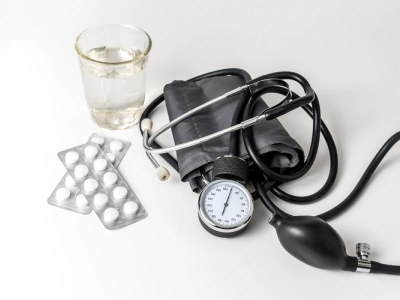
Blood Pressure Medications
- Individualised medication selection
- Medicines to support blood pressure control
- Dose adjustments when required
- Regular treatment review
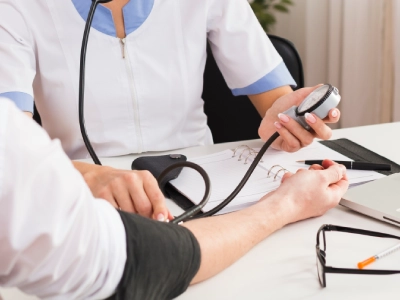
Blood Pressure Monitoring
- Regular clinic blood pressure checks
- Home blood pressure monitoring
- Ambulatory monitoring when required
- Treatment response tracking

Treatment of Underlying Causes
- Kidney disease treatment
- Hormonal disorder treatment
- Review of contributing medicines
- Specialist care when appropriate
Complications If Left Untreated
- Heart Attack
- Heart Failure
- Aneurysms
- Atherosclerosis
- Stroke
- Cognitive Decline
- Kidney Disease
- Vision Loss
Daily Management & Prevention Tips
Management Tips
- Take prescribed medicines as directed
- Check blood pressure regularly
- Attend scheduled medical follow-ups
- Get enough sleep every night
- Manage daily stress effectively
Prevention Tips
- Follow a balanced, healthy diet
- Reduce excess salt in meals
- Stay physically active every day
- Maintain a healthy body weight
- Avoid tobacco and excess alcohol
Frequently Asked Questions
Can Hypertension Develop During Pregnancy?
High blood pressure can develop during pregnancy and may require monitoring to protect the health of both the mother and developing baby.
Does Hypertension Increase the Risk During Surgery?
Uncontrolled hypertension can increase cardiovascular risk during surgery, so providers assess blood pressure before procedures and manage it as needed.
Can Hypertension Run in Families?
A family history of hypertension can increase susceptibility because inherited genetic factors may influence blood pressure regulation and cardiovascular risk.
Can Children and Teenagers Develop Hypertension?
Children and teenagers can develop hypertension, particularly with excess weight, family history, kidney conditions, or other underlying health problems.
Does High Blood Pressure Affect Sexual Health?
Long-term hypertension can damage blood vessels and reduce blood flow, potentially contributing to erectile dysfunction and other sexual health concerns.