
Chest Infections Treatment in Kolkata
Home / Treatments / Internal Medicine & Critical Care / Chest Infections
Quick Answers
Can chest infections be treated?
Treatment depends on the cause, severity and type of chest infection.
Are chest infections serious?
Some are mild, while severe infections may require urgent medical treatment.
Can chest infections cause complications?
Untreated or severe infections can affect breathing and cause complications.
When should someone see a doctor?
Seek medical advice for persistent symptoms, breathing difficulty or worsening illness.
What Is a Chest Infection?
An infection affecting the lungs or airways that may be caused by viruses, bacteria, or other infectious organisms. It can cause coughing, breathing problems and other respiratory symptoms.
Key points:
- Affects the lungs or airways
- May be viral or bacterial
- Can cause cough and breathing problems
- Requires treatment based on the cause
Types of Chest Infections
Bronchitis
Inflammation of the bronchial tubes, usually causing cough and mucus production.
Pneumonia
An infection causing inflammation and fluid accumulation within the lung air sacs.
Tuberculosis (TB)
A bacterial lung infection caused by Mycobacterium tuberculosis that develops gradually.
Lung Abscess
A localised pus-filled cavity within the lung caused by severe bacterial infection.
Symptoms of Chest Infections
Common Symptoms
- Persistent cough with or without mucus
- Fever, chills or body aches
- Chest discomfort while coughing
- Shortness of breath or wheezing
- Tiredness and low energy
- Increased mucus production
Red Flags (When to Seek Urgent Medical Care)
- Severe or rapid, shallow breathing
- Persistent sharp chest pain
- Confusion, dizziness or disorientation
- Blue lips or fingertips
- Coughing up blood or mucus
- Worsening symptoms or persistent fever
Why Choose Samaritan Medical Surgical & Critical Care?
At Samaritan Medical Surgical & Critical Care, we provide comprehensive healthcare solutions as per your needs. With a team of expert professionals, we focus on delivering compassionate, patient-centred care for optimal well-being.

NABH Certified
Accredited by NABH, ensuring the highest standards of healthcare quality and patient safety.

Surgical Excellence
Our skilled surgeons offer precision care for a wide range of surgical procedures.

Critical Care Support
Providing round-the-clock critical care with advanced equipment and expert medical teams.
Our Doctors

DR. D. K. SARKAR
Qualifications: MBBSMS, DNB FRCS, (GOLD), FFSTED
Specialty: GENERAL SURGEON
Fees: Rs. 1,550.00
Available Days: MON, WED, THURS & SAT
Available Time: MON, WED & THURS-16:00, SAT-15:00

DR. RANAJOY DUTTA
Qualifications: MBBS, MS, DNB
Specialty: GENERAL SURGEON
Fees: Rs. 1,200.00
Available Days: WED, SAT
Available Time: 17:00 - 18:00 PM

DR. SAPTARSHI KUNDU
Qualifications: MBBS, MS (GEN SUR)
Specialty: GENERAL SURGEON
Fees: Rs. 700.00
Available Days: BY APPOINTMENT
Available Time: BY APPOINTMENT
DR. RUDRADEEP BANERJEE
Qualifications: MS (Gen. Surg.), DNB, MRCS
Specialty: GENERAL SURGEON
Fees: Rs. 1,000.00
Available Days: BY APPOINTMENT
Available Time: BY APPOINTMENT
DR. ACHINTA KR DAS
Qualifications: MBBS, MS
Specialty: GENERAL SURGEON
Fees: Rs. 1,200.00
Available Days: BY APPOINTMENT
Available Time:BY APPOINTMENT
DR. SAMRIDDHI PODDAR
Qualifications: MBBS(HONS), MS(SURGERY), WBUHS NRSMCH
Specialty: GENERAL SURGEON
Fees: Rs. 1,000.00
Available Days: TUE & WED
Available Time: TUE 16:30-17:30 & WED 18:00-19:00
DR . B . B . BARAI
Qualifications: MBBS, DNB, PG DGM, CCEBDM
Specialty: GENERAL SURGEON
Fees: Rs. 1,200.00
Available Days: MON /FRIDAY
Available Time: 11:00-13:00
DR. MAINAK PAL
Qualifications: MBBS, MS, FMAS(GEN.SURG)
Specialty: GENERAL SURGEON
Fees: Rs. 1,000.00
Available Days: MON -FRI
Available Time: 17:00-18:00
Hear From Our Happy Patients
Very good nursing home.all staff best
I had Laproscopic surgery of gallbladder stone on 23/6/26 & Discharge on 25/6/26. I had wonderful experience in nursing home, Very cooperative staff. Particularly Ms Aditi (Head Sister charge) , she has cooperated very well with Smily face. OT is well equipped with high quality instruments, Dr Mukesh Karia has done wonderful operations.
Very good nursing home
Very Supportive Staff with 24*7 support. Along with Neat and Clean cloths and bed.
Great treatment and recuperation. Doctors nurses and support staff mase it feel like home .
Thakuuuu Samaritan nursing home........and Dr.babuuuu khubbbb valooooo..apnader sakoler babohar khub valo r porisheba khubbb khubbb valo sakol k. Ank ank ank dhannobad ......
Very good nursing home
Very good Treatment here and also staff behaviour has very good
I have admitted my father here twice under Dr Arindam Dutta sir for the DJ stenting and RIRS (Kidney stone) .The entire team of Samaritan was fantastic.Specially Ms Aditi Nandi was so humble and cooperative .She attended us every time and Given all facilities.Through out the admitting time and discharge,all the sisters,brothers,Housekeeping ,ward boy everyone was so polite and well mannered.
Individuals at Higher Risk for Chest Infections
| High-Risk Groups | Key Risk Factors |
|---|---|
| Older Adults | Immune function may weaken with age |
| Young Children | Developing immune systems increase vulnerability |
| Smokers | Smoking damages the respiratory airways |
| People with Lung Disease | Existing respiratory conditions increase infection risk |
| People with Weak Immunity | Reduced immune defence increases susceptibility |
| Hospitalised Patients | Certain infections may develop during hospital care |
Causes of Chest Infections
Viral Infections
- Viruses can reach lower airways
- May cause acute bronchitis
- Spread through respiratory droplets
- Often trigger coughing and congestion
Bacterial Infections
- Bacteria can infect lung tissue
- May follow viral illnesses
- Can cause pneumonia
- Some cases need antibiotics
Germ Transmission
- Droplets can spread germs
- Contaminated hands transfer infections
- Close contact increases transmission
- Poor hygiene aids spread
Aspiration
- Food may enter lungs
- Liquids can enter airways
- Stomach acid may be inhaled
- May cause aspiration pneumonia
Weakened Immune System
- Reduced immunity increases susceptibility
- Illnesses can weaken immunity
- Some treatments suppress immunity
- Severe infections develop more easily
Smoking and Airway Damage
- Smoking damages airway defences
- Airways become infection-prone
- Mucus clearance becomes impaired
- Respiratory symptoms may worsen
Chest Infection Patterns, Diagnosis & Treatment Approach
| Pattern | Type | First-Line Approach |
When Advanced Treatment Is Needed |
Expected Outcome |
|---|---|---|---|---|
| Cough, fever and tiredness | Viral infection | Supportive treatment | Severe or worsening symptoms | Symptom recovery |
| Fever, cough and mucus | Bacterial infection | Assessment and appropriate antibiotics | Severe or persistent infection | Infection resolution |
| Persistent cough and mucus | Bronchitis | Symptom-based treatment | Persistent or worsening symptoms | Symptom improvement |
| Fever, chest pain and breathlessness | Pneumonia | Medicines and supportive care | Severe infection or complications | Clinical recovery |
| Persistent cough and weight loss | Tuberculosis (TB) | Combination antibiotic treatment | Drug-resistant or complicated TB | Infection control |
| Fever, cough and chest discomfort | Lung abscess | Antibiotics | Drainage or persistent infection | Recovery with treatment |
| Cough, breathlessness and fever | Aspiration pneumonia | Supportive care and appropriate treatment | Severe aspiration or complications | Clinical improvement |
Procedure & Recovery: What to Expect
Diagnosis and Procedures
- Chest examination with stethoscope
- X-rays assess lung involvement
- Blood tests detect infection
- Sputum samples identify germs
Recovery & Results Timeline
- 48 Hours:Fever may start improving.
- One Week: Fever usually resolves.
- 4–6 Weeks: Chest discomfort, phlegm, and cough improve.
- 1–3 Months: Fatigue may gradually improve.
Available Diagnosis & Tests
Initial Clinical Evaluation
- Review cough and fever duration
- Assess breathing and risk factors
- Listen for abnormal lung sounds
- Check for wheezing or reduced airflow
Common Diagnostic Tests
- Chest X-ray: Checks for inflammation and lung changes
- Sputum Test: Identifies infection-causing organisms
- Blood Tests: Assess immune response and inflammation
- Pulse Oximetry: Measures blood oxygen levels
Advanced Tests for Complex Cases
- CT Scan: Provides detailed chest imaging
- Bronchoscopy: Examines airways and collects samples
- Arterial Blood Gases: Measures oxygen and carbon dioxide
Available Treatment Options

Medicines
- Antibiotics for bacterial infections
- Antivirals for selected viral infections
- Fever and pain relief
- Treatment based on infection type
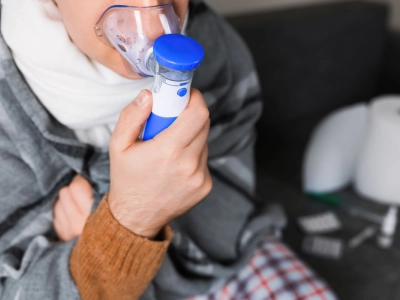
Inhalers and Nebulisation
- Bronchodilators for airway narrowing
- May help wheezing symptoms
- Useful with asthma or COPD
- Not needed for every infection

Oxygen and Respiratory Support
- Oxygen for low blood oxygen
- Regular oxygen level monitoring
- Respiratory support when required
- Severe cases need hospitalisation

Hospital and Critical Care
- Intravenous fluids when required
- Intravenous medicines when needed
- Close monitoring for severe infections
- Critical care for life-threatening illness
Complications If Left Untreated
- Respiratory failure
- Sepsis
- Lung abscess
- Pleural effusion
- Chronic lung damage
Daily Management & Prevention Tips
Management Tips
- Rest and sleep adequately
- Drink water to thin mucus
- Use painkillers for fever
- Sleep with extra pillows
- Avoid smoke and second-hand smoke
Prevention Tips
- Wash hands for 20 seconds
- Stay updated on recommended vaccinations
- Eat a balanced, healthy diet
- Exercise moderately and sleep adequately
- Keep indoor spaces well-ventilated
Frequently Asked Questions
What are the stages of a chest infection?
Symptoms may begin mildly, worsen during the active illness, and then gradually improve as you recover. Progression varies depending on the cause, severity and overall health.
How often do people get chest infections?
Frequency varies by age, immune health, smoking status and underlying lung conditions. Some people experience occasional episodes, while others may develop recurrent respiratory illnesses.
How long will a chest infection last?
Mild cases may improve within days or weeks. Cough and fatigue can persist longer, particularly after pneumonia or a severe respiratory illness.
What is a silent chest infection?
This is not a formal medical diagnosis. Some people may have subtle symptoms, while imaging or other tests reveal inflammation or infection.
Do chest infections get worse at night?
Coughing and breathing discomfort may feel worse at night because lying down can affect mucus drainage and increase airway irritation.