

Infertility Treatment in Kolkata
Home / Treatments / Gynaecology & Obstetrics / Infertility
Quick Answers
Can infertility be treated?
Yes. Medicines, surgery, IUI, or assisted reproductive techniques may help.
Can someone with a child still experience infertility?
Yes. Age, medical conditions, hormonal changes, or reproductive problems may contribute.
Can infertility affect both partners?
Yes. Factors may involve either partner, both, or remain unexplained.
Does infertility always require IVF?
No. Medicines, surgery, IUI, or ovulation induction may sometimes help.
What Is Infertility?
The failure to achieve clinical pregnancy after 12 months or more of regular, unprotected sexual intercourse.
Key points:
- Affects roughly 1 in 8 couples
- 40% to 50% of cases involve male factor issues
- High stress does not directly cause infertility
- Having children doesn’t prevent secondary infertility.
Types of Infertility
Primary
No previous pregnancy has occurred despite 12 months of regular, unprotected intercourse.
Secondary
Difficulty conceiving again occurs despite a previous pregnancy or successful birth.
Ovulatory
Irregular or absent ovulation can reduce opportunities for successful conception.
Tubal
Blocked or damaged fallopian tubes can interfere with fertilisation or embryo transport.
Uterine Factor
Fibroids, polyps, adhesions, or structural abnormalities may interfere with implantation.
Male Factor
Abnormal sperm concentration, movement, or morphology can contribute to conception difficulties.
Endometriosis-Related
Endometriosis can alter pelvic anatomy, ovarian function, and reproductive potential.
Unexplained
No identifiable cause emerges despite appropriate evaluation of both partners
Symptoms Of Infertility
Common Symptoms
- Irregular or absent periods
- Severe menstrual or pelvic pain
- Abnormally heavy or light bleeding
- Pain during intercourse
- Reduced sexual desire
- Erectile or ejaculation difficulties
- Testicular pain, swelling, or lumps
- Reduced facial or body hair
- Unexpected breast development
Red Flags Requiring Immediate Medical Care
- Sudden, severe pelvic or abdominal pain
- High fever with pelvic pain
- Foul vaginal or penile discharge
- Acute testicular pain or swelling
- Recurrent miscarriages
- Previous chemotherapy or radiation exposure
Why Choose Samaritan Medical Surgical & Critical Care?
At Samaritan Medical Surgical & Critical Care, we provide comprehensive healthcare solutions as per your needs. With a team of expert professionals, we focus on delivering compassionate, patient-centred care for optimal well-being.

NABH Certified
Accredited by NABH, ensuring the highest standards of healthcare quality and patient safety.

Surgical Excellence
Our skilled surgeons offer precision care for a wide range of surgical procedures.

Critical Care Support
Providing round-the-clock critical care with advanced equipment and expert medical teams.
Our Doctors
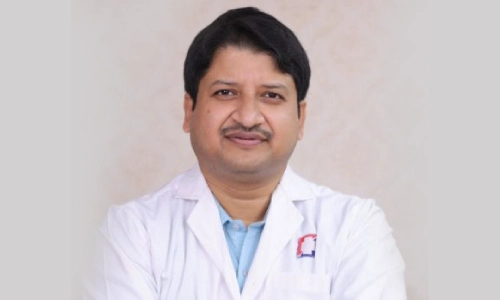
DR. SOMAK DAS
Qualifications: MBBS, MS(GEN.SURG.) DNB(GASTRO.SURG), MCH
Specialty: GASTRO SURGEON
Fees: Rs. 1,200.00
Available Days: MON, WED & FRI
Available Time: BY APPOINTMENT

DR. D. K. SARKAR
Qualifications: MBBSMS, DNB FRCS, (GOLD), FFSTED
Specialty: GENERAL SURGEON
Fees: Rs. 1,550.00
Available Days: MON, WED,THU & SAT
Available Time: MON WED,THU-16:00 & SAT-15:00

DR. RUDRADEEP BANERJEE
Qualifications: MS.(GEN.SURG), D.N. BMRCS
Specialty: GENERAL SURGEON
Fees: Rs. 1,000.00
Available Days: BY APPOINTMENT
Available Time: BY APPOINTMENT
DR. RANAJOY DUTTA
Qualifications: MBBS, M.S D.N.B
Specialty: GENERAL SURGEON
Fees: Rs. 1,200.00
Available Days: WED, SAT
Available Time: 17:00 - 18:00 PM
DR. ACHINTA KR DAS
Qualifications: MBBS, MS
Specialty: GENERAL SURGEON
Fees: Rs. 1,200.00
Available Days: BY APPOINTMENT
Available Time:BY APPOINTMENT
DR. SAMRIDDHI PODDAR
Qualifications: MBBS(HONS), MS(SURGERY), WBUHS NRSMCH
Specialty: GENERAL SURGEON
Fees: Rs. 1,000.00
Available Days: TUE & WED
Available Time: TUE 16:30-17:30 & WED 18:00-19:00
DR . B . B . BARAI
Qualifications: MBBS, DNB, PG DGM, CCEBDM
Specialty: GENERAL SURGEON
Fees: Rs. 1,200.00
Available Days: MON /FRIDAY
Available Time: 11:00-13:00
DR. SAPTARSHI KUNDU
Qualifications: MBBS, MS (GEN SUR)
Specialty: GENERAL SURGEON
Fees: Rs. 700.00
Available Days: BY APPOINTMENT
Available Time: BY APPOINTMENT
DR. MAINAK PAL
Qualifications: MBBS, MS, FMAS(GEN.SURG)
Specialty: GENERAL SURGEON
Fees: Rs. 1,000.00
Available Days: MON -FRI
Available Time: 17:00-18:00
DR. SUKANTA ROY
Qualifications: MBBS, MS(GASTO)
Specialty: GASTRO SURGEON
Fees: Rs. 1,000.00
Available Days: BY APPOINTMENT
Available Time: BY APPOINTMENT

DR. UDDIPTA DUTTA
Specialty: GASTRO SURGEON
Fees: Rs. 900.00
Available Days: BY APPOINTMENT
Available Time: BY APPOINTMENT
Hear From Our Happy Patients
Very good nursing home. All staff good.
A really good hospital with good critical and surgical care. Staffs are very cooperative..
Here the service are very good। Very good hospital
very good nursing home
Nurse didi gulo khub bhalo all staff bhalo 100.90% bhalo
Are good nursing hom varehalp pol anepplamkontak stap vare Good
Good experience All facilities is good
Best hospital Very good facility
Doctors, Nursing staff, other staff are very good, everything is good, only few accommodation issue is not adjustable.
Liked the place...staffs...sisters all helpful...and special thanks to my doctor..Doctor Sukanta Ray...he is next to God to me
Liked the place...staffs...sisters all helpful...and special thanks to my doctor..Doctor Sukanta Ray...he is next to God to me
Individuals at Higher Risk for Infertility
| Group | Outcome |
|---|---|
| Age | Fertility gradually declines with advancing age. |
| Smoking and Tobacco | Can damage eggs and reduce sperm count and motility. |
| Weight Extremes | Can disrupt hormones, ovulation, and healthy sperm production. |
| Alcohol and Substance Use | Can impair reproductive health and conception. |
| Medical Treatments | May cause ovarian failure or reduced sperm production. |
| Sexually Transmitted Infections | Can damage reproductive tracts and cause pelvic inflammatory disease. |
| Environmental Toxins | Prolonged exposure can reduce reproductive potential. |
| Hormonal Disorders | Can interfere with regular ovulation. |
| Uterine or Pelvic Conditions | Can hinder implantation and conception. |
| Exercise Issues | Excessive exercise with inadequate nutrition can stop ovulation. |
| Male Hormonal Imbalances | Can halt sperm production. |
| Physical Blockages | Can obstruct the reproductive tract. |
Infertility Patterns, Diagnosis & Treatment Approach
| Pattern | Presentation | Diagnosis | Treatment | Outcome |
|---|---|---|---|---|
| Ovulatory dysfunction | Irregular or absent ovulation | Cycle and hormonal assessment | Ovulation induction | Improved chances of conception |
| Tubal factor | Damaged or blocked tubes | Tubal patency assessment | Tubal surgery or IVF when appropriate | Depends on extent of damage |
| Uterine factor | Fibroids, polyps or adhesions | Ultrasound and cavity assessment | Hysteroscopy or other appropriate surgery | Improved uterine environment in selected cases |
| Male factor | Abnormal semen parameters | Semen analysis | Medical, surgical or assisted reproduction | Depends on underlying cause |
| Unexplained infertility | No identifiable cause | Assessment of both partners | Timed intercourse, IUI or IVF according to circumstances | Variable |
How Is Infertility Evaluated?
Ovulation testing
Ovarian reserve testing
Hysterosalpingography (HSG)
Pelvic ultrasound
Diagnostic hysteroscopy
Diagnostic laparoscopy
Semen analysis
Hormone testing
Scrotal ultrasound
Genetic testing
What Treatments Are Available for Infertility?
Non-Surgical
- Fertility medications
- Intrauterine insemination (IUI)
- In vitro fertilisation (IVF)
- Intracytoplasmic sperm injection (ICSI)
Surgical
- Laparoscopy
- Hysteroscopic surgery
- Myomectomy
- Tubal surgery
- Surgical sperm retrieval
- Testicular sperm aspiration (TESA)
- Testicular sperm extraction (TESE)
Infertility Treatment: What to Expect?
Before
- Review of reproductive and medical history
- Completion of recommended fertility investigations
- Assessment of ovarian reserve and hormones
- Evaluation of sperm health and quality
- Development of personalised treatment plan
During
- Administration of prescribed fertility medicines
- Hormone injections where clinically indicated
- Regular ultrasound monitoring during treatment
- Hormone level monitoring throughout cycles
- Fertility procedures as clinically indicated
After
- Continuation of prescribed medicines
- Post-procedure care and monitoring
- Monitoring for potential treatment complications
- Pregnancy testing at the advised time
- Scheduled follow-up consultations
Benefits of Infertility Treatment
- Identifies treatable causes.
- Addresses ovulation problems.
- Treats tubal or uterine issues.
- Addresses male reproductive factors.
- Supports assisted conception when needed.
- Improves chances of achieving pregnancy.
Recovery After Infertility Treatment
First 24 Hours: Rest and monitor mild cramping, bloating, or spotting.
Days 2–3: Symptoms may peak, then gradually improve.
Days 4–7: Gradually resume normal routines as discomfort decreases.
Week 2: Embryo transfer may take place.
Days 9–14 Post-Transfer: Beta-hCG blood test confirms pregnancy.
Any Time: Seek care for severe pain, rapid weight gain, or breathing difficulty.
Complications If Infertility Is Left Untreated
- Pelvic Damage: Infections can cause scarring and blocked tubes.
- Worsening Conditions: PCOS, endometriosis, or fibroids may progress.
- Underlying Diseases: Infertility may signal other health conditions.
- Emotional Distress: Fertility struggles can cause anxiety and depression.
- Relationship Strain: Ongoing challenges can affect relationships.
Post-Infertility Treatment Daily Management & Prevention Tips
Management
- Take prescribed medicines consistently.
- Choose light, gentle activities.
- Eat balanced, cooked meals.
- Maintain adequate hydration.
Prevention
- Limit strenuous physical activity.
- Skip saunas and hot baths.
- Pause intercourse during the waiting period.
- Check medications with your doctor.
- Follow scheduled pregnancy testing.
Frequently Asked Questions
Can blocked fallopian tubes be treated?
Sometimes. Selected tubal problems can be treated surgically, while IVF may be recommended when tubal damage is extensive or surgery is unsuitable.
Can infertility occur even when periods are regular?
Yes. Regular periods do not rule out blocked tubes, uterine abnormalities, male-factor infertility, or other reproductive problems that may affect conception. Testing helps identify the underlying cause.
Can PCOS cause infertility?
Yes. PCOS can cause irregular or absent ovulation, but many women with PCOS conceive naturally or with appropriate fertility treatment.
Can specific sex positions improve conception chances?
No evidence shows that specific positions or lying with hips elevated improves conception. Sperm can reach the cervix naturally regardless of sexual position.
Can a man be infertile if he can ejaculate?
Yes. Ejaculation does not guarantee healthy sperm. A semen analysis is needed to accurately assess sperm count, shape, movement, and overall reproductive potential.