
ICCU & Critical Care Hospital in Kolkata
Home / Treatments / Internal Medicine & Critical Care / ICCU & critical care
Quick Answers
When does a patient need ICCU or critical care?
For life-threatening conditions requiring continuous monitoring and advanced medical support.
Can critically ill patients recover?
Recovery depends on illness severity, treatment response and overall health.
What conditions require critical care?
Severe infections, organ dysfunction, respiratory failure, cardiac emergencies and serious injuries.
When should a patient be admitted to the ICCU?
When unstable health requires close monitoring, advanced treatment or immediate support.
What Is ICCU & Critical Care?
Critical Care is specialised medical care for patients with life-threatening conditions who require continuous monitoring, advanced life support, and close observation.
ICCU (Intensive Coronary Care Unit) is a specialised critical-care unit focused on patients with serious heart-related conditions and cardiac emergencies.
Key points:
- Continuous monitoring for critically ill patients
- Advanced support for serious medical conditions
- Rapid response to changes in patient health
- Coordinated care from experienced medical teams
Types of Critical Care
High-Dependency Unit (HDU / Level 2)
Provides close monitoring and single-organ support without invasive ventilation.
Intensive Care Unit (ICU / Level 3)
Provides continuous monitoring and advanced support for critically ill patients.
Medical ICU (MICU)
Treats severe infections, poisoning, or acute medical disorders.
Surgical ICU (SICU)
Manages recovery after major, high-risk surgeries or severe physical trauma.
Cardiac ICU (CCU)
Focuses on heart attacks, severe heart failure, and life-threatening heart rhythms.
Neurological ICU (Neuro ICU)
Handles strokes, traumatic brain injuries, and severe seizures.
Neonatal/Pediatric ICU (NICU/PICU)
Cares for critically ill newborns, infants, and children.
Symptoms of Critical Illness
Common Symptoms
- Severe breathing difficulty or breathlessness
- Persistent or severe chest discomfort
- Sudden confusion or altered mental state
- Extreme weakness or sudden physical collapse
- High fever with worsening overall illness
- Rapid deterioration in overall health
Red Flags (When To See A Doctor)
- Inability to breathe or speak normally
- Loss of consciousness or unresponsiveness
- Sudden severe chest pain or pressure
- Cold, clammy skin with marked weakness
- New seizures or prolonged convulsions
- Sudden speech, vision, or movement changes
Why Choose Samaritan Medical Surgical & Critical Care?
At Samaritan Medical Surgical & Critical Care, we provide comprehensive healthcare solutions as per your needs. With a team of expert professionals, we focus on delivering compassionate, patient-centred care for optimal well-being.

NABH Certified
Accredited by NABH, ensuring the highest standards of healthcare quality and patient safety.

Surgical Excellence
Our skilled surgeons offer precision care for a wide range of surgical procedures.

Critical Care Support
Providing round-the-clock critical care with advanced equipment and expert medical teams.
Our Doctors

DR. D. K. SARKAR
Qualifications: MBBSMS, DNB FRCS, (GOLD), FFSTED
Specialty: GENERAL SURGEON
Fees: Rs. 1,550.00
Available Days: MON, WED, THURS & SAT
Available Time: MON, WED & THURS-16:00, SAT-15:00

DR. RANAJOY DUTTA
Qualifications: MBBS, MS, DNB
Specialty: GENERAL SURGEON
Fees: Rs. 1,200.00
Available Days: WED, SAT
Available Time: 17:00 - 18:00 PM

DR. SAPTARSHI KUNDU
Qualifications: MBBS, MS (GEN SUR)
Specialty: GENERAL SURGEON
Fees: Rs. 700.00
Available Days: BY APPOINTMENT
Available Time: BY APPOINTMENT
DR. RUDRADEEP BANERJEE
Qualifications: MS (Gen. Surg.), DNB, MRCS
Specialty: GENERAL SURGEON
Fees: Rs. 1,000.00
Available Days: BY APPOINTMENT
Available Time: BY APPOINTMENT
DR. ACHINTA KR DAS
Qualifications: MBBS, MS
Specialty: GENERAL SURGEON
Fees: Rs. 1,200.00
Available Days: BY APPOINTMENT
Available Time:BY APPOINTMENT
DR. SAMRIDDHI PODDAR
Qualifications: MBBS(HONS), MS(SURGERY), WBUHS NRSMCH
Specialty: GENERAL SURGEON
Fees: Rs. 1,000.00
Available Days: TUE & WED
Available Time: TUE 16:30-17:30 & WED 18:00-19:00
DR . B . B . BARAI
Qualifications: MBBS, DNB, PG DGM, CCEBDM
Specialty: GENERAL SURGEON
Fees: Rs. 1,200.00
Available Days: MON /FRIDAY
Available Time: 11:00-13:00
DR. MAINAK PAL
Qualifications: MBBS, MS, FMAS(GEN.SURG)
Specialty: GENERAL SURGEON
Fees: Rs. 1,000.00
Available Days: MON -FRI
Available Time: 17:00-18:00
Hear From Our Happy Patients
Very good nursing home.all staff best
I had Laproscopic surgery of gallbladder stone on 23/6/26 & Discharge on 25/6/26. I had wonderful experience in nursing home, Very cooperative staff. Particularly Ms Aditi (Head Sister charge) , she has cooperated very well with Smily face. OT is well equipped with high quality instruments, Dr Mukesh Karia has done wonderful operations.
Very good nursing home
Very Supportive Staff with 24*7 support. Along with Neat and Clean cloths and bed.
Great treatment and recuperation. Doctors nurses and support staff mase it feel like home .
Thakuuuu Samaritan nursing home........and Dr.babuuuu khubbbb valooooo..apnader sakoler babohar khub valo r porisheba khubbb khubbb valo sakol k. Ank ank ank dhannobad ......
Very good nursing home
Very good Treatment here and also staff behaviour has very good
I have admitted my father here twice under Dr Arindam Dutta sir for the DJ stenting and RIRS (Kidney stone) .The entire team of Samaritan was fantastic.Specially Ms Aditi Nandi was so humble and cooperative .She attended us every time and Given all facilities.Through out the admitting time and discharge,all the sisters,brothers,Housekeeping ,ward boy everyone was so polite and well mannered.
Individuals Who May Require ICCU & Critical Care
| Groups | Factors |
|---|---|
| Patients with Cardiac Emergencies | May require continuous cardiac monitoring and immediate intervention |
| Patients with Severe Infections | Serious infections can cause rapid clinical deterioration |
| Patients with Respiratory Failure | Breathing problems may require advanced respiratory support |
| Post-Surgical Patients | Major surgery or complications may require intensive monitoring |
| Patients with Organ Dysfunction | Multiple organ problems may require continuous medical support |
| Patients with Serious Trauma | Severe injuries can require immediate stabilisation and monitoring |
Causes of Critical Illness
Severe Infections
- Serious infections can affect multiple body systems
- Sepsis can cause rapid clinical deterioration
- Some infections require intensive treatment
- Early medical intervention is important
Cardiac Conditions
- Heart attacks can cause critical complications
- Serious rhythm disturbances may require monitoring
- Heart failure can become medically unstable
- Rapid assessment helps guide treatment
Respiratory Conditions
- Severe lung conditions can affect oxygen levels
- Respiratory failure may require advanced support
- Serious infections can worsen breathing
- Continuous monitoring may be required
Other Medical Conditions
- Major trauma can cause life-threatening complications
- Organ dysfunction may require intensive support
- Serious post-operative complications need monitoring
- Acute medical emergencies require rapid evaluation
ICCU & Critical Care Patterns, Diagnosis & Treatment Approach
| Pattern | Type | First-Line Approach |
When Advanced Treatment Is Needed |
Expected Outcome |
|---|---|---|---|---|
| Heart dysfunction or instability | Cardiac emergency | Emergency cardiac care | Severe instability | Stabilisation |
| Severe infection with organ impact | Severe infection | Medicines and supportive care | Organ dysfunction | Depends on severity |
| Breathing or low oxygen levels | Respiratory failure | Oxygen therapy | Ventilatory support | Improved oxygenation |
| Multiple organ involvement | Multi-organ dysfunction | Intensive hospital care | Advanced organ support | Depends on severity |
Procedure & Recovery: What to Expect
Early critical care assessment helps identify immediate medical risks and provide appropriate monitoring and treatment.
Initial Stabilisation
- Rapid assessment of vital functions
- Immediate treatment for urgent conditions
- Airway and breathing support when required
- Stabilisation based on clinical needs
Medical Monitoring
- Continuous monitoring of vital signs
- Cardiac monitoring when required
- Blood tests and other investigations
- Regular assessment of organ function
Advanced Critical Care
- Ventilatory support when required
- Intravenous medicines and fluids
- Treatment for serious complications
- Advanced life-support measures when medically necessary
Recovery & Results Timeline
- First 24–48 Hours: Immediate condition and response monitored
- Days 3–7: Ongoing treatment and clinical progress assessed
- Weeks 1–2: Recovery support depends on the underlying illness
- Long-Term: Follow-up and rehabilitation when required
Available Diagnosis & Tests
- Complete Blood Count (CBC): Detects anaemia, infection and blood loss.
- Blood Gas Analysis: Measures oxygen, carbon dioxide and pH.
- Comprehensive Metabolic Panel: Assesses electrolytes, kidney and liver function.
- Lactate Tests: Indicates impaired tissue perfusion levels.
- Blood Cultures: Detects bloodstream bacteria or fungal infections.
- Portable X-ray: Assesses lungs, heart, tubes and lines.
- Bedside Ultrasound: Evaluates heart, lungs, vessels and fluids.
- Echocardiogram (Echo): Assesses cardiac structure, valves and pumping.
- Haemodynamic Monitoring: Tracks blood pressure and circulation.
- Continuous Oximetry and ECG: Monitors oxygen levels and heart rhythm.
Available Treatment Options
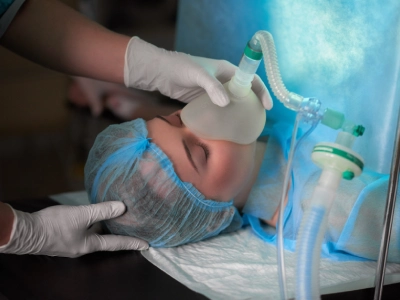
Breathing and Airway Support
- Mechanical Ventilation
- Oxygen Therapy
- Tracheostomy

Circulation and Heart Care
- Vasopressors and Inotropes
- Continuous Cardiac Monitoring
- Defibrillation

Organ Support and Dialysis
- Haemodialysis or CRRT
- Fluid Resuscitation

Medications and Infection Control
- Targeted Antibiotics
- Sedatives and Pain Relief
- Blood Thinners
Complications if Left Untreated
- Organ Failure
- Septic Shock
- Respiratory Failure
- Cardiac Arrest
- Brain Injury
- Can become life-threatening
Delayed Critical Care Can Cause
- Rapid Deterioration
- Multiple Organ Dysfunction
- Prolonged Recovery
- Permanent Disability
- Longer Hospital Stay
- Some emergencies can become fatal
Daily Management & Prevention Tips
Management
- Airway and breathing support
- Metabolic and nutritional monitoring
- Pain and delirium management
- Early mobility and physical therapy
- Gradual recovery and strength building
- Caregiver rest and self-care
Prevention
- Strict hand hygiene practices
- Proper mask and cough etiquette
- Early detection of health changes
- Regular chronic condition monitoring
- Prompt treatment of infections
- Following recommended care protocols
Frequently Asked Questions
How Long Does a Patient Stay in Critical Care?
The duration varies depending on the patient's condition, response to treatment, complications and need for continuous intensive monitoring
What Are the 7 C’s of Critical Care?
The 7 C’s generally describe key critical care priorities: care, communication, coordination, comfort, compassion, competence and continuity of care.
Critical Illness vs Terminal Illness: What’s the Difference?
Critical illness is severe and potentially reversible with intensive treatment, while terminal illness is an advanced condition where recovery or cure is unlikely.
When Does a Patient Need ICU Admission?
ICU admission may be needed when a patient requires continuous monitoring, life-support treatment, mechanical ventilation, organ support or immediate intervention for severe instability.