

Back Pain Treatment in Kolkata
Home / Treatments / Neurology & Neurosurgery / Back pain
Quick Answers
Is walking good or bad for lower back pain?
Walking generally improves circulation, supports spinal tissues, and strengthens muscles around the core and lower back.
Should someone use ice or heat for back pain?
Ice suits fresh injuries initially; heat later helps relax muscles and improve circulation.
When does back pain require professional medical treatment?
If back pain persists beyond two weeks or fails to improve with rest
How does sitting put extra strain on your lower back?
Yes. Sitting increases the physical load on the lower spine by up to 40% compared with standing.
What Is Back Pain?
Discomfort or stiffness anywhere along the spine, from the tailbone up to the lower back. Low back pain (LBP) in India has emerged as a significant and growing public health concern.
Key points:
- 66% lifetime prevalence; 48% point prevalence nationwide
- Women represent 67.71% of reported LBP
- 50% of mothers report moderate-to-severe back pain
- Visceral fat ≥10% increases LBP risk 3.67-fold
Types of Back Pain
Mechanical (Axial) Pain
Muscles, ligaments, or joints may cause localised aching that worsens during movement.
Nerve (Radicular) Pain
Compression or irritation may trigger burning, electric sensations, tingling, or numbness.
Inflammatory Pain
Linked to immune-related conditions and arthritis, it often causes stiffness after rest that improves with regular activity.
Referred Pain
Kidney problems and other conditions may produce deep, shifting discomfort.
Symptoms Of Back Pain
Common Symptoms
- Dull or aching muscular discomfort
- Sharp pain during certain movements
- Shooting pain down the leg
- Difficulty bending or standing straight
- Stiffness after prolonged sitting or resting
- Tight muscles limiting normal movement
Red Flags Requiring Immediate Medical Care
- New bladder or bowel problems
- Numbness around groin or buttocks
- Burning, tingling, or numbness in limbs
- Rapidly worsening leg weakness
- Back discomfort with unexplained fever
- Severe pain after major trauma
- Persistent symptoms alongside unexplained weight loss.
Why Choose Samaritan Medical Surgical & Critical Care?
At Samaritan Medical Surgical & Critical Care, we provide comprehensive healthcare solutions as per your needs. With a team of expert professionals, we focus on delivering compassionate, patient-centred care for optimal well-being.

NABH Certified
Accredited by NABH, ensuring the highest standards of healthcare quality and patient safety.

Surgical Excellence
Our skilled surgeons offer precision care for a wide range of surgical procedures.

Critical Care Support
Providing round-the-clock critical care with advanced equipment and expert medical teams.
Our Doctors
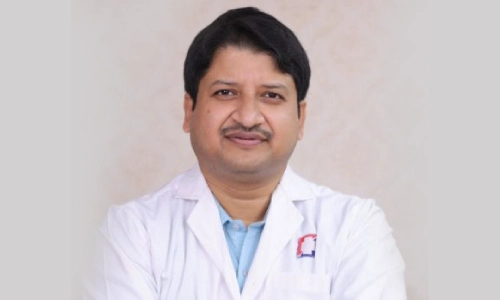
DR. SOMAK DAS
Qualifications: MBBS, MS(GEN.SURG.) DNB(GASTRO.SURG), MCH
Specialty: GASTRO SURGEON
Fees: Rs. 1,200.00
Available Days: MON, WED & FRI
Available Time: BY APPOINTMENT
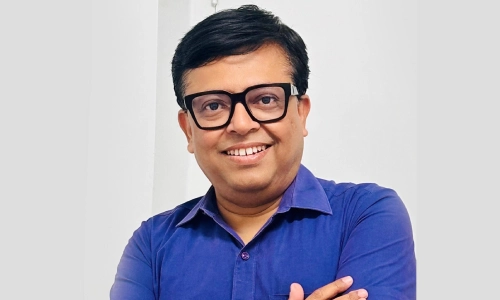
DR. D. K. SARKAR
Qualifications: MBBSMS, DNB FRCS, (GOLD), FFSTED
Specialty: GENERAL SURGEON
Fees: Rs. 1,550.00
Available Days: MON, WED,THU & SAT
Available Time: MON WED,THU-16:00 & SAT-15:00

DR. RUDRADEEP BANERJEE
Qualifications: MS.(GEN.SURG), D.N. BMRCS
Specialty: GENERAL SURGEON
Fees: Rs. 1,000.00
Available Days: BY APPOINTMENT
Available Time: BY APPOINTMENT
DR. RANAJOY DUTTA
Qualifications: MBBS, M.S D.N.B
Specialty: GENERAL SURGEON
Fees: Rs. 1,200.00
Available Days: WED, SAT
Available Time: 17:00 - 18:00 PM
DR. ACHINTA KR DAS
Qualifications: MBBS, MS
Specialty: GENERAL SURGEON
Fees: Rs. 1,200.00
Available Days: BY APPOINTMENT
Available Time:BY APPOINTMENT
DR. SAMRIDDHI PODDAR
Qualifications: MBBS(HONS), MS(SURGERY), WBUHS NRSMCH
Specialty: GENERAL SURGEON
Fees: Rs. 1,000.00
Available Days: TUE & WED
Available Time: TUE 16:30-17:30 & WED 18:00-19:00
DR . B . B . BARAI
Qualifications: MBBS, DNB, PG DGM, CCEBDM
Specialty: GENERAL SURGEON
Fees: Rs. 1,200.00
Available Days: MON /FRIDAY
Available Time: 11:00-13:00
DR. SAPTARSHI KUNDU
Qualifications: MBBS, MS (GEN SUR)
Specialty: GENERAL SURGEON
Fees: Rs. 700.00
Available Days: BY APPOINTMENT
Available Time: BY APPOINTMENT
DR. MAINAK PAL
Qualifications: MBBS, MS, FMAS(GEN.SURG)
Specialty: GENERAL SURGEON
Fees: Rs. 1,000.00
Available Days: MON -FRI
Available Time: 17:00-18:00
DR. SUKANTA ROY
Qualifications: MBBS, MS(GASTO)
Specialty: GASTRO SURGEON
Fees: Rs. 1,000.00
Available Days: BY APPOINTMENT
Available Time: BY APPOINTMENT

DR. UDDIPTA DUTTA
Specialty: GASTRO SURGEON
Fees: Rs. 900.00
Available Days: BY APPOINTMENT
Available Time: BY APPOINTMENT
Hear From Our Happy Patients
Very good nursing home. All staff good.
A really good hospital with good critical and surgical care. Staffs are very cooperative..
Here the service are very good। Very good hospital
very good nursing home
Nurse didi gulo khub bhalo all staff bhalo 100.90% bhalo
Are good nursing hom varehalp pol anepplamkontak stap vare Good
Good experience All facilities is good
Best hospital Very good facility
Doctors, Nursing staff, other staff are very good, everything is good, only few accommodation issue is not adjustable.
Liked the place...staffs...sisters all helpful...and special thanks to my doctor..Doctor Sukanta Ray...he is next to God to me
Liked the place...staffs...sisters all helpful...and special thanks to my doctor..Doctor Sukanta Ray...he is next to God to me
Individuals at Higher Risk for Back Pain
| Groups | Outcomes |
|---|---|
| Sedentary individuals | Prolonged inactivity may contribute to stiffness and pain. |
| Physically demanding workers | Repetitive lifting may strain spinal structures. |
| Older adults | Degenerative spinal changes become more common. |
| Previous back injury | An earlier injury may increase the risk of recurrence. |
| People with poor posture | Sustained positions may aggravate spinal discomfort. |
| Overweight individuals | Increased mechanical load may contribute to symptoms. |
| People with prolonged sitting | Extended sitting may worsen stiffness and discomfort. |
Back Pain Patterns, Diagnosis & Treatment Approach
| Pain Pattern | Possible Cause | Diagnosis & Initial Approach | Treatment Options | Outcome |
|---|---|---|---|---|
| Localised axial pain | Mechanical strain | Clinical examination | Physiotherapy, activity modification, NSAIDs | Improved function |
| Pain radiating below knee | Sciatica, radiculopathy | Neurological examination, MRI when indicated | Physiotherapy, medication, injections | Reduced pain |
| Recurrent stiffness | Degenerative spinal changes | Clinical assessment, X-ray when indicated | Exercise, mobility therapy | Better mobility |
| Pain lasting >12 weeks | Chronic back pain | Comprehensive assessment | Exercise, education, multimodal care | Better pain control |
| Numbness or weakness | Nerve compression, stenosis | Neurological examination, MRI when indicated | Conservative care; decompression when appropriate | Protect neurological function |
How Is Back Pain Evaluated?
Medical history
Physical assessment
Neurological checks
X-rays
MRI scans
CT scans
Electromyography (EMG)
Blood or urine tests
What Treatments are Available for Back Pain?
Physical therapy
Medications
Epidural steroid injections
Facet joint injections
Radiofrequency ablation
Weight management
Ergonomic adjustments
Acupuncture
Massage therapy
Discectomy
Laminectomy
Spinal fusion
Minimally invasive spine surgery
Back Pain Treatment: What to Expect?
Before
- Complete clinical and neurological assessment.
- Review scans, treatments and medical history.
- Identify the likely pain source.
- Discuss suitable treatment options.
During
- Physical therapy
- Medication management
- Interventional procedures
- Follow prescribed rehabilitation.
- Continue safe physical activity.
- Undergo procedures when clinically indicated.
After
- Monitor pain, movement and neurological symptoms.
- Continue rehabilitation and recommended exercises.
- Attend scheduled follow-ups.
Benefits of Back Pain Treatment
- Reduces pain and stiffness
- Improves spinal movement
- Supports nerve recovery
- Improves walking and physical function
- Reduces limitations in daily activities
- Supports return to work
- Helps prevent recurrent disability
- Improves overall quality of life
Back Pain Treatment Success in India
| Procedure | Outcome |
|---|---|
| Spine surgery overall | 70–95% success rate |
| Conservative treatment | ~90% successfully managed |
| Microdiscectomy | 85–95% success; relieves sciatica |
| Minimally Invasive Spine Surgery | 85–95% success; treats stenosis and disc disease |
| Cervical Spine Surgery / Disc Replacement | 85–95% success; relieves neck and arm pain |
| Spinal Fusion | 80–90% success; stabilises the spine |
| Spinal Decompression / Laminectomy | 70–90% success; relieves stenosis |
| Foraminotomy | 70–75% success; relieves nerve compression |
Recovery After Back Pain Treatment
1–2 weeks: Acute pain usually starts improving.
3–6 weeks: Pain decreases; mobility and strength improve.
6–12 weeks: Functional recovery and daily independence improve.
3+ months: Persistent pain may require specialist evaluation.
Complications If Back Pain Is Left Untreated
- Chronic or persistent pain
- Nerve damage and sensory changes
- Cauda equina syndrome
- Reduced mobility and muscle weakness
- Anxiety, depression, and sleep problems
- Increasing pain and stiffness
- Reduced work and daily functioning
- Recurring episodes of severe pain
- Progressive neurological problems in serious cases
Post-Treatment Daily Management & Prevention Tips
Management
- Stand and stretch every 45–60 minutes.
- Use pillows for proper spinal alignment.
- Bend knees when lifting heavy loads.
- Keep heavy loads close to your body.
- Avoid twisting your spine while lifting.
- Adjust chair and work surfaces to elbow height.
- Reduce upper-body and spinal strain.
Prevention
- Perform core-strengthening exercises twice weekly.
- Build muscles that support your spine.
- Choose low-heeled shoes under 1 inch.
- Ensure good arch support to support proper alignment.
- Quit smoking to protect spinal discs.
- Maintain a balanced weight for back health.
- Eat calcium- and vitamin-D-rich foods.
- Manage stress to keep back muscles relaxed.
Frequently Asked Questions
Is bed rest the best cure for back pain?
No. Staying in bed beyond 1–2 days can increase stiffness and slow recovery. Gentle movement and regular activity generally support faster healing.
Does back pain come with numbness?
Yes. Numbness can indicate nerve involvement, particularly when symptoms travel into the leg. Persistent or worsening sensory changes require medical assessment.
Do weak core muscles directly cause back pain?
No. People with strong abdominal muscles can still experience symptoms. Discomfort involves sleep, stress, activity levels, muscles, joints, and spinal structures.
Does a flare-up mean your back injury got worse?
No. Temporary increases can follow stress, poor sleep, or unfamiliar activity without new tissue damage. Staying calm and maintaining suitable movement can help symptoms settle.
Do you always need an MRI or X-ray for back pain?
No. Doctors usually begin with a physical examination. Imaging is considered when red flags suggest serious conditions or findings could change treatment.