

Chemotherapy in Kolkata
Home / Treatments / Oncology / Chemotherapy
Quick Answers
Is chemotherapy used to cure cancer?
Yes, sometimes. Certain malignancies can be eradicated, while others require long-term disease control.
Does everyone with cancer need chemotherapy?
No. Treatment selection depends on tumour characteristics, stage, biomarkers, and individual clinical circumstances.
Is chemotherapy always given through an IV?
No. Medicines may be administered orally, by injection, or through specialised delivery routes.
Does chemotherapy always cause severe side effects?
No. Reactions vary by person and depend on the specific medicines, doses, and regimen.
What Is Chemotherapy?
A medical treatment that uses powerful drugs to slow the growth or kill fast-multiplying cancer cells. It is used alone or alongside surgery, radiation therapy, immunotherapy, targeted therapy, or other treatments.
Key points:
- Targets active cell division.
- Spans 3–6 months total.
- Given every 2–3 weeks.
- Averages 4–6 treatment cycles
Types of Chemotherapy
Adjuvant
Given after primary treatment to destroy remaining cells and lower recurrence risk.
Curative
Uses intensive drug regimens with the aim of achieving complete disease remission.
Neoadjuvant
Administered beforehand to shrink tumours and make subsequent treatment easier.
Palliative
Helps relieve symptoms, control disease progression, and maintain quality of life.
Symptoms of Chemotherapy
Common Symptoms
- Overwhelming exhaustion despite adequate rest
- Upset stomach after treatment sessions
- Thinning or complete hair loss
- Painful ulcers affecting eating or swallowing
- Tingling, numbness, or burning sensations
- Diarrhoea or constipation
- Anaemia causing tiredness
- Low platelets causing easy bruising
Red Flags Requiring Immediate Medical Care
- Temperature of 38°C or higher
- Shaking chills accompanying fever
- Sudden breathlessness while resting
- Sudden chest tightness or pain
- Bleeding that persists after ten minutes
- Blood appearing in urine or stool
- Unable to retain fluids for hours
- Sudden confusion or extreme drowsiness
- Difficulty waking up
- Redness, swelling, or pus near ports
Why Choose Samaritan Medical Surgical & Critical Care?
At Samaritan Medical Surgical & Critical Care, we provide comprehensive healthcare solutions as per your needs. With a team of expert professionals, we focus on delivering compassionate, patient-centred care for optimal well-being.

NABH Certified
Accredited by NABH, ensuring the highest standards of healthcare quality and patient safety.

Surgical Excellence
Our skilled surgeons offer precision care for a wide range of surgical procedures.

Critical Care Support
Providing round-the-clock critical care with advanced equipment and expert medical teams.
Our Doctors
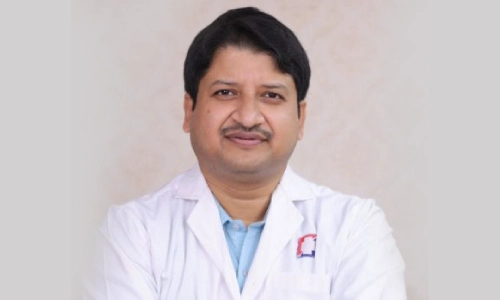
DR. SOMAK DAS
Qualifications: MBBS, MS(GEN.SURG.) DNB(GASTRO.SURG), MCH
Specialty: GASTRO SURGEON
Fees: Rs. 1,200.00
Available Days: MON, WED & FRI
Available Time: BY APPOINTMENT

DR. D. K. SARKAR
Qualifications: MBBSMS, DNB FRCS, (GOLD), FFSTED
Specialty: GENERAL SURGEON
Fees: Rs. 1,550.00
Available Days: MON, WED,THU & SAT
Available Time: MON WED,THU-16:00 & SAT-15:00

DR. RUDRADEEP BANERJEE
Qualifications: MS.(GEN.SURG), D.N. BMRCS
Specialty: GENERAL SURGEON
Fees: Rs. 1,000.00
Available Days: BY APPOINTMENT
Available Time: BY APPOINTMENT
DR. RANAJOY DUTTA
Qualifications: MBBS, M.S D.N.B
Specialty: GENERAL SURGEON
Fees: Rs. 1,200.00
Available Days: WED, SAT
Available Time: 17:00 - 18:00 PM
DR. ACHINTA KR DAS
Qualifications: MBBS, MS
Specialty: GENERAL SURGEON
Fees: Rs. 1,200.00
Available Days: BY APPOINTMENT
Available Time:BY APPOINTMENT
DR. SAMRIDDHI PODDAR
Qualifications: MBBS(HONS), MS(SURGERY), WBUHS NRSMCH
Specialty: GENERAL SURGEON
Fees: Rs. 1,000.00
Available Days: TUE & WED
Available Time: TUE 16:30-17:30 & WED 18:00-19:00
DR . B . B . BARAI
Qualifications: MBBS, DNB, PG DGM, CCEBDM
Specialty: GENERAL SURGEON
Fees: Rs. 1,200.00
Available Days: MON /FRIDAY
Available Time: 11:00-13:00
DR. SAPTARSHI KUNDU
Qualifications: MBBS, MS (GEN SUR)
Specialty: GENERAL SURGEON
Fees: Rs. 700.00
Available Days: BY APPOINTMENT
Available Time: BY APPOINTMENT
DR. MAINAK PAL
Qualifications: MBBS, MS, FMAS(GEN.SURG)
Specialty: GENERAL SURGEON
Fees: Rs. 1,000.00
Available Days: MON -FRI
Available Time: 17:00-18:00
DR. SUKANTA ROY
Qualifications: MBBS, MS(GASTO)
Specialty: GASTRO SURGEON
Fees: Rs. 1,000.00
Available Days: BY APPOINTMENT
Available Time: BY APPOINTMENT

DR. UDDIPTA DUTTA
Specialty: GASTRO SURGEON
Fees: Rs. 900.00
Available Days: BY APPOINTMENT
Available Time: BY APPOINTMENT
Hear From Our Happy Patients
Very good nursing home. All staff good.
A really good hospital with good critical and surgical care. Staffs are very cooperative..
Here the service are very good। Very good hospital
very good nursing home
Nurse didi gulo khub bhalo all staff bhalo 100.90% bhalo
Are good nursing hom varehalp pol anepplamkontak stap vare Good
Good experience All facilities is good
Best hospital Very good facility
Doctors, Nursing staff, other staff are very good, everything is good, only few accommodation issue is not adjustable.
Liked the place...staffs...sisters all helpful...and special thanks to my doctor..Doctor Sukanta Ray...he is next to God to me
Liked the place...staffs...sisters all helpful...and special thanks to my doctor..Doctor Sukanta Ray...he is next to God to me
Individuals at Higher Risk for Chemotherapy
| Groups | Outcome |
|---|---|
| Advanced age | People aged 65+ may face greater toxicity because organ function and physiological reserves decline. |
| Frailty and functional status | Poor health, dependence with daily activities, and recent falls increase vulnerability. |
| Organ impairment | Reduced kidney or liver function can alter drug processing and clearance. |
| Comorbidities | Multiple chronic conditions alongside cancer can complicate treatment tolerance. |
| Pre-existing conditions | Anaemia, low blood counts, poor nutrition, and active infections increase the risk of complications. |
| Treatment intensity | Multiple-drug regimens and high initial doses increase the likelihood of severe reactions. |
Chemotherapy Patterns, Diagnosis & Treatment Approach
| Pattern | Presentation | Diagnosis | Treatment Approach | Outcome |
|---|---|---|---|---|
| Newly diagnosed localised cancer | Cancer detected without distant spread | Biopsy, imaging and staging | Surgery, radiation and/or systemic treatment as indicated | Depends on cancer type and stage |
| Locally advanced cancer | Tumour involves nearby tissues or lymph nodes | Imaging, biopsy and staging | Chemotherapy may be combined with surgery or radiation | Depends on disease extent and treatment response |
| Cancer requiring preoperative treatment | Tumour may benefit from reduction before local treatment | Pathology and staging assessment | Neoadjuvant chemotherapy when indicated | Depends on tumour response |
| Cancer requiring postoperative treatment | Risk of microscopic residual disease or recurrence | Surgical pathology and staging | Adjuvant chemotherapy when indicated | Depends on cancer characteristics and response |
| Recurrent cancer | Cancer returns after previous treatment | Imaging, biopsy when appropriate and clinical assessment | Chemotherapy or other systemic treatment according to cancer characteristics | Depends on recurrence pattern and treatment response |
| Metastatic cancer | Disease has spread to distant organs | Imaging, pathology and relevant biomarker assessment | Systemic therapy, which may include chemotherapy | Focus depends on disease control, survival and symptom relief |
| Symptom-producing advanced disease | Tumour causes pain, obstruction, bleeding or other problems | Clinical assessment and appropriate investigations | Systemic treatment and symptom-directed care | Focuses on disease control and quality of life |
How Is Chemotherapy Evaluated?
Complete blood count
Liver function tests
Kidney function tests
Electrocardiogram
Echocardiogram
Physical examination
Height and weight assessment
Vital signs assessment
Routine blood panels
CT scan
MRI scan
PET scan
Tumour marker tests
Chemotherapy: What to Expect?
Before
- Pre-treatment health assessment
- Treatment protocol confirmation
- Blood count evaluation
- Medication and allergy review
During
- Chemotherapy drug administration
- IV or port-based delivery
- Vital sign monitoring
- Infusion reaction monitoring
After
- Post-infusion clinical monitoring
- Side effect assessment
- Supportive medication administration
- Treatment response evaluation
- Next cycle planning
Benefits of Chemotherapy
- Achieve remission or cure
- Control cancer growth and spread
- Shrink tumours before surgery
- Eliminate residual cancer cells
- Reduce cancer recurrence risk
- Enhance other cancer treatments
- Relieve cancer-related symptoms
- Improve daily functioning and comfort
Recovery After Chemotherapy
First Month: Side effects gradually settle
Months 2–3: Energy and appetite improve
Months 4–6: Stamina and focus improve
Months 6–12: Strength steadily returns
Complications of Not Doing Chemotherapy
- Cancer progression and tumour growth
- Cancer spread to other organs
- Worsening symptoms and complications
- Reduced treatment effectiveness later
- Fewer treatment options available
- Greater need for palliative care
Post-Chemotherapy Daily Management & Prevention Tips
Management
- Eat small frequent meals
- Maintain adequate daily hydration
- Take short gentle walks
- Prioritise seven to eight hours’ sleep
- Pace activities around energy levels
- Track symptoms during recovery
Prevention
- Wash hands to prevent infections
- Avoid raw or undercooked foods
- Avoid contact with sick people
- Check medicines with your oncologist
- Protect skin from sunlight
- Avoid tobacco and alcohol
Frequently Asked Questions
Does chemotherapy always cause hair loss?
No. Effects vary by drug and dosage. Some medicines cause substantial shedding, whereas others cause minimal changes. Hair usually begins growing again after treatment ends.
Can chemotherapy be given at home?
Sometimes. Certain oral medicines and selected regimens allow treatment outside hospitals. Intravenous medicines generally require administration at a clinic, hospital, or supervised outpatient facility.
Does feeling sick mean chemotherapy is working?
No. Side-effect severity does not indicate effectiveness. Doctors monitor progress through examinations, blood tests, scans, and other investigations suited to the individual cancer.
Can chemotherapy affect fertility?
Yes. Certain medicines may impair reproductive function temporarily or permanently. Risk depends on the drugs, dosage, combination, age, and treatment plan. Fertility preservation should be discussed beforehand.
Can chemotherapy be combined with immunotherapy?
Yes. Some cancers benefit from both approaches. Suitability depends on disease type, stage, tumour characteristics, previous treatments, and the individual's overall treatment plan.