

Epilepsy Treatment in Kolkata
Home / Treatments / Neurology & Neurosurgery / Epilepsy
Quick Answers
Is epilepsy a mental illness?
No, it affects brain function but does not indicate psychiatric illness or reduced intelligence.
Can epilepsy be treated?
Yes, antiseizure medicines control seizures for many people, with treatment depending on individual needs and response.
Is epilepsy suitable for treatment at any age?
Yes, treatment can be provided at any age, with choices based on seizure type, underlying cause, health, and response to therapy.
How long does epilepsy treatment take?
Yes, treatment is often long-term, requiring follow-up, medication adjustments, or specialist care when seizures remain uncontrolled.
What Is Epilepsy?
A chronic neurological disorder characterised by a tendency to experience recurrent, unprovoked seizures.
Key points:
- Affects over 50 million people worldwide
- Photosensitivity affects only 3–5% of people
- Not all seizures require emergency care
- Some women experience more seizures during periods
Types of Epilepsy
Focal-Onset
Seizures begin in one specific area or group of brain cells.
Generalized-Onset
Seizures begin across both sides of the brain simultaneously.
Combined (Generalised and Focal)
Patients experience both focal and generalised seizures during their condition.
Unknown-Onset
The seizure’s starting point cannot be determined from available information.
Symptoms Of Epilepsy
Common Symptoms
- Blank staring with little response
- Sudden stiffening, twitching, or jerking
- Brief blackouts followed by confusion
- Repetitive lip-smacking, chewing, or fumbling
- Sudden fear, déjà vu, unusual sensations
- Sudden falls or bladder control
Red Flags Requiring Immediate Medical Care
- Seizure lasts longer than five minutes
- Another seizure starts before recovery
- Breathing or waking becomes difficult
- Seizure occurs while the person is swimming
- Serious injury occurs during the seizure
- First-ever known seizure requires emergency care.
Why Choose Samaritan Medical Surgical & Critical Care?
At Samaritan Medical Surgical & Critical Care, we provide comprehensive healthcare solutions as per your needs. With a team of expert professionals, we focus on delivering compassionate, patient-centred care for optimal well-being.

NABH Certified
Accredited by NABH, ensuring the highest standards of healthcare quality and patient safety.

Surgical Excellence
Our skilled surgeons offer precision care for a wide range of surgical procedures.

Critical Care Support
Providing round-the-clock critical care with advanced equipment and expert medical teams.
Our Doctors
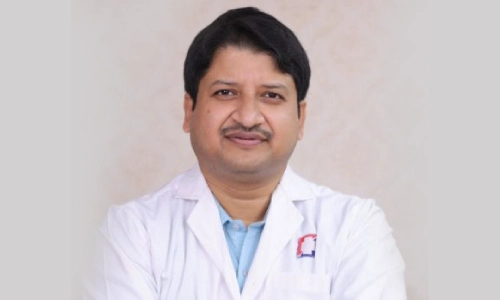
DR. SOMAK DAS
Qualifications: MBBS, MS(GEN.SURG.) DNB(GASTRO.SURG), MCH
Specialty: GASTRO SURGEON
Fees: Rs. 1,200.00
Available Days: MON, WED & FRI
Available Time: BY APPOINTMENT

DR. D. K. SARKAR
Qualifications: MBBSMS, DNB FRCS, (GOLD), FFSTED
Specialty: GENERAL SURGEON
Fees: Rs. 1,550.00
Available Days: MON, WED,THU & SAT
Available Time: MON WED,THU-16:00 & SAT-15:00

DR. RUDRADEEP BANERJEE
Qualifications: MS.(GEN.SURG), D.N. BMRCS
Specialty: GENERAL SURGEON
Fees: Rs. 1,000.00
Available Days: BY APPOINTMENT
Available Time: BY APPOINTMENT
DR. RANAJOY DUTTA
Qualifications: MBBS, M.S D.N.B
Specialty: GENERAL SURGEON
Fees: Rs. 1,200.00
Available Days: WED, SAT
Available Time: 17:00 - 18:00 PM
DR. ACHINTA KR DAS
Qualifications: MBBS, MS
Specialty: GENERAL SURGEON
Fees: Rs. 1,200.00
Available Days: BY APPOINTMENT
Available Time:BY APPOINTMENT
DR. SAMRIDDHI PODDAR
Qualifications: MBBS(HONS), MS(SURGERY), WBUHS NRSMCH
Specialty: GENERAL SURGEON
Fees: Rs. 1,000.00
Available Days: TUE & WED
Available Time: TUE 16:30-17:30 & WED 18:00-19:00
DR . B . B . BARAI
Qualifications: MBBS, DNB, PG DGM, CCEBDM
Specialty: GENERAL SURGEON
Fees: Rs. 1,200.00
Available Days: MON /FRIDAY
Available Time: 11:00-13:00
DR. SAPTARSHI KUNDU
Qualifications: MBBS, MS (GEN SUR)
Specialty: GENERAL SURGEON
Fees: Rs. 700.00
Available Days: BY APPOINTMENT
Available Time: BY APPOINTMENT
DR. MAINAK PAL
Qualifications: MBBS, MS, FMAS(GEN.SURG)
Specialty: GENERAL SURGEON
Fees: Rs. 1,000.00
Available Days: MON -FRI
Available Time: 17:00-18:00
DR. SUKANTA ROY
Qualifications: MBBS, MS(GASTO)
Specialty: GASTRO SURGEON
Fees: Rs. 1,000.00
Available Days: BY APPOINTMENT
Available Time: BY APPOINTMENT

DR. UDDIPTA DUTTA
Specialty: GASTRO SURGEON
Fees: Rs. 900.00
Available Days: BY APPOINTMENT
Available Time: BY APPOINTMENT
Hear From Our Happy Patients
Very good nursing home. All staff good.
A really good hospital with good critical and surgical care. Staffs are very cooperative..
Here the service are very good। Very good hospital
very good nursing home
Nurse didi gulo khub bhalo all staff bhalo 100.90% bhalo
Are good nursing hom varehalp pol anepplamkontak stap vare Good
Good experience All facilities is good
Best hospital Very good facility
Doctors, Nursing staff, other staff are very good, everything is good, only few accommodation issue is not adjustable.
Liked the place...staffs...sisters all helpful...and special thanks to my doctor..Doctor Sukanta Ray...he is next to God to me
Liked the place...staffs...sisters all helpful...and special thanks to my doctor..Doctor Sukanta Ray...he is next to God to me
Individuals at Higher Risk for Epilepsy
| Groups | Outcomes |
|---|---|
| Young children | Developmental issues or severe fevers increase risk. |
| Older adults (55+) | Strokes and cognitive decline increase risk. |
| Traumatic brain injury | Brain damage can trigger seizures. |
| Stroke and vascular disease | Brain damage can trigger seizures. |
| Brain infections | Inflammation can trigger seizures. |
| Neurodegenerative diseases | Dementia can increase seizure risk. |
| Genetic history | Family history increases inherited risk. |
Epilepsy Patterns, Diagnosis & Treatment Approach
| Pattern | Epilepsy Condition | Diagnosis & Initial Approach | Advanced Interventions | Expected Outcome |
|---|---|---|---|---|
| Recurrent convulsive episodes | Generalised | Neurological assessment & EEG | Anti-seizure medications (ASMs) | Improved seizure control |
| Brief impaired awareness | Absence / Focal Impaired Awareness | Seizure classification & video-EEG | Medication adjustment & tracking | Reduced seizure frequency |
| Recurrent focal episodes | Focal | Neurological & diagnostic workup | Specialist epilepsy evaluation | Individualised seizure control |
| Persistent | Drug-Resistant | Medication review & compliance check | Specialist care & alternative ASMs | Reduced seizure burden |
| Structural brain abnormality | Structural | High-resolution neuroimaging (MRI) | Surgical resection (selected cases) | Cause-directed management |
| Medication-refractory | Intractable | Comprehensive epilepsy monitoring | Surgery, VNS, or neurostimulation | Significant reduction in events |
How Is Epilepsy Evaluated?
Detailed seizure history
Neurological examination
Blood tests
Electroencephalogram (EEG)
Ambulatory EEG
Video EEG
Magnetic Resonance Imaging (MRI)
Computed Tomography (CT) scan
PET scan
SPECT scan
What Treatments are Available for Epilepsy
Anti-seizure medications
Rescue seizure therapies
Resective brain surgery
Minimally invasive procedures
Vagus nerve stimulation (VNS)
Responsive neurostimulation (RNS)
Deep brain stimulation (DBS)
Ketogenic and modified Atkins diets
Trigger management
Epilepsy Treatment: What to Expect?
Before
- Complete EEG, blood tests, and brain scans.
- Review medical and seizure history.
- Discuss suitable epilepsy treatment options.
During
- Take anti-seizure medications consistently as prescribed.
- Undergo surgery or neurostimulation when indicated.
- Maintain sleep and avoid known triggers.
After
- Monitor seizure control and treatment response.
- Follow recovery and rehabilitation recommendations.
- Continue medications and scheduled follow-ups.
Benefits of Epilepsy Treatment
- Reduces or eliminates seizures
- Supports healthy childhood development
- Minimises medication-related side effects
- Lowers risk of sudden death
- Reduces seizure-related medical emergencies
- Improves anxiety and emotional wellbeing
- Supports memory and cognitive function
- Helps restore driving eligibility
- Improves independence and daily activities
Epilepsy Treatment Success in India
| Procedure | Outcome |
|---|---|
| Overall treatment | 70%–80% successful control |
| Temporal lobectomy & lesionectomy | 60%–80% complete freedom |
| Selective amygdalohippocampectomy (SAH) | 60%–75% complete freedom |
| Hemispherectomy | 60%–80% complete freedom |
| Corpus callosotomy | 70%–85% reduction in drop attacks |
| Vagus nerve stimulation (VNS) | 50%–60% overall reduction |
Recovery After Epilepsy Treatment
First 24–48 hours: Postictal recovery, monitoring and rest
Days 1–7: Manage fatigue, pain, swelling and medication effects
Weeks 2–6: Gradually resume physical and mental activities
Months 1–3: Gradual return to work or school
Months 2–6: Follow-up, seizure monitoring and medication management
Months 6–24: Assess long-term seizure control and outcomes
Complications If Epilepsy Is Left Untreated
- Increased seizure frequency and severity
- Physical injuries from falls during seizures
- Burns and other accidental injuries
- Status epilepticus causing brain damage
- Cognitive decline and persistent memory loss
- Sleep disturbances and daytime fatigue
- Anxiety, depression, and social isolation
- Disruption to education or employment
- Driving and everyday safety restrictions
- Reduced independence and quality of life
Post-Treatment Daily Management & Prevention Tips
Management
- Take anti-seizure medicines exactly as prescribed.
- Get seven to nine hours of sleep.
- Maintain a detailed seizure diary.
- Practise relaxation techniques to manage stress.
Prevention
- Avoid personal seizure triggers whenever possible.
- Choose safe, moderate physical activities.
- Keep home environments safe from injuries.
- Attend regular neurological follow-up appointments.
Frequently Asked Questions
Do epilepsy medicines control seizures effectively?
Yes. Appropriate treatment can control seizures in many people. Medicine selection is done based on seizure type, syndrome, age, health status, and potential interactions.
Can older adults develop epilepsy?
Yes. Epilepsy can affect people at any age. In older adults, evaluation may consider causes such as previous stroke, brain injury, structural abnormalities or other neurological conditions.
Does epilepsy always require lifelong medication?
No. Some people who remain seizure-free for an appropriate period may be assessed for gradual withdrawal. This decision depends on individual clinical factors and should be made with a specialist.
Can patients have epilepsy despite a normal MRI?
Yes. A normal MRI does not exclude epilepsy. Imaging mainly helps identify structural causes, while diagnosis also depends on the clinical history, neurological assessment and, when appropriate, EEG findings.
Do patients with uncontrolled seizures need surgery?
No. Surgery is considered only for selected people with drug-resistant epilepsy after comprehensive specialist assessment. Other treatment options may also be considered depending on the individual case.