

Colon Cancer Treatment in Kolkata
Home / Treatments / Oncology / Colon cancer
Quick Answers
Can colon cancer occur without family history?
Yes. About 75% of new cases occur among people without a known family history.
Can younger adults develop colon cancer?
Yes. Incidence among adults below 50 has been increasing, despite greater prevalence among older populations.
Are all colon polyps cancerous?
No. Many are benign growths, although certain types can develop into malignancy over time.
Can colon cancer occur without symptoms?
Yes. Early disease may produce no noticeable warning signs, making timely screening important.
What Is Colon Cancer?
A type of disease in which cells in the large intestine grow out of control and form a tumour.
Key points:
- Most cases lack family history
- Early stages usually have no symptoms
- Increasing among under-50 adults
- Most start as benign growths called polyps
Types of Colon Cancer
Adenocarcinoma
The most common type, arising from mucus-producing gland cells lining the colon.
Gastrointestinal Carcinoid Tumours
Slow-growing cancers that develop from specialised hormone-producing neuroendocrine cells.
Gastrointestinal Stromal Tumours (GISTs)
Rare tumours that arise from specialised cells involved in coordinating movement within the intestinal wall.
Primary Colorectal Lymphoma
A rare cancer of the immune system that begins in lymphatic tissue within the colon.
Leiomyosarcoma
An extremely rare and aggressive cancer that develops from smooth muscle cells of the colon.
Squamous Cell Carcinoma
A very rare malignancy that develops from flat, scale-like squamous cells.
Symptoms Of Colon Cancer
Common Symptoms
- Persistent bowel habit changes
- Blood in stool or rectum
- Ongoing abdominal cramps or discomfort
- Feeling of incomplete bowel emptying
- Persistent fatigue from iron-deficiency anaemia
- Unintentional weight loss without explanation
Red Flags Requiring Immediate Medical Care
- Recurring or heavy rectal bleeding
- Severe abdominal distension with vomiting
- Inability to pass stool or gas
- Severe or worsening abdominal pain
- Dizziness, breathlessness, or unusual paleness
Why Choose Samaritan Medical Surgical & Critical Care?
At Samaritan Medical Surgical & Critical Care, we provide comprehensive healthcare solutions as per your needs. With a team of expert professionals, we focus on delivering compassionate, patient-centred care for optimal well-being.

NABH Certified
Accredited by NABH, ensuring the highest standards of healthcare quality and patient safety.

Surgical Excellence
Our skilled surgeons offer precision care for a wide range of surgical procedures.

Critical Care Support
Providing round-the-clock critical care with advanced equipment and expert medical teams.
Our Doctors
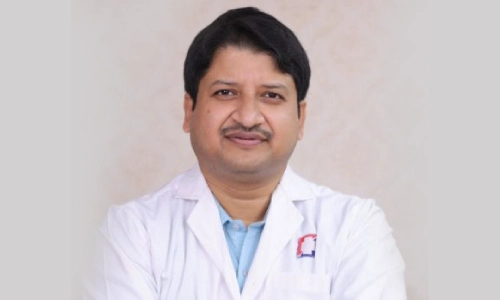
DR. SOMAK DAS
Qualifications: MBBS, MS(GEN.SURG.) DNB(GASTRO.SURG), MCH
Specialty: GASTRO SURGEON
Fees: Rs. 1,200.00
Available Days: MON, WED & FRI
Available Time: BY APPOINTMENT

DR. D. K. SARKAR
Qualifications: MBBSMS, DNB FRCS, (GOLD), FFSTED
Specialty: GENERAL SURGEON
Fees: Rs. 1,550.00
Available Days: MON, WED,THU & SAT
Available Time: MON WED,THU-16:00 & SAT-15:00

DR. RUDRADEEP BANERJEE
Qualifications: MS.(GEN.SURG), D.N. BMRCS
Specialty: GENERAL SURGEON
Fees: Rs. 1,000.00
Available Days: BY APPOINTMENT
Available Time: BY APPOINTMENT
DR. RANAJOY DUTTA
Qualifications: MBBS, M.S D.N.B
Specialty: GENERAL SURGEON
Fees: Rs. 1,200.00
Available Days: WED, SAT
Available Time: 17:00 - 18:00 PM
DR. ACHINTA KR DAS
Qualifications: MBBS, MS
Specialty: GENERAL SURGEON
Fees: Rs. 1,200.00
Available Days: BY APPOINTMENT
Available Time:BY APPOINTMENT
DR. SAMRIDDHI PODDAR
Qualifications: MBBS(HONS), MS(SURGERY), WBUHS NRSMCH
Specialty: GENERAL SURGEON
Fees: Rs. 1,000.00
Available Days: TUE & WED
Available Time: TUE 16:30-17:30 & WED 18:00-19:00
DR . B . B . BARAI
Qualifications: MBBS, DNB, PG DGM, CCEBDM
Specialty: GENERAL SURGEON
Fees: Rs. 1,200.00
Available Days: MON /FRIDAY
Available Time: 11:00-13:00
DR. SAPTARSHI KUNDU
Qualifications: MBBS, MS (GEN SUR)
Specialty: GENERAL SURGEON
Fees: Rs. 700.00
Available Days: BY APPOINTMENT
Available Time: BY APPOINTMENT
DR. MAINAK PAL
Qualifications: MBBS, MS, FMAS(GEN.SURG)
Specialty: GENERAL SURGEON
Fees: Rs. 1,000.00
Available Days: MON -FRI
Available Time: 17:00-18:00
DR. SUKANTA ROY
Qualifications: MBBS, MS(GASTO)
Specialty: GASTRO SURGEON
Fees: Rs. 1,000.00
Available Days: BY APPOINTMENT
Available Time: BY APPOINTMENT

DR. UDDIPTA DUTTA
Specialty: GASTRO SURGEON
Fees: Rs. 900.00
Available Days: BY APPOINTMENT
Available Time: BY APPOINTMENT
Hear From Our Happy Patients
Very good nursing home. All staff good.
A really good hospital with good critical and surgical care. Staffs are very cooperative..
Here the service are very good। Very good hospital
very good nursing home
Nurse didi gulo khub bhalo all staff bhalo 100.90% bhalo
Are good nursing hom varehalp pol anepplamkontak stap vare Good
Good experience All facilities is good
Best hospital Very good facility
Doctors, Nursing staff, other staff are very good, everything is good, only few accommodation issue is not adjustable.
Liked the place...staffs...sisters all helpful...and special thanks to my doctor..Doctor Sukanta Ray...he is next to God to me
Liked the place...staffs...sisters all helpful...and special thanks to my doctor..Doctor Sukanta Ray...he is next to God to me
Individuals at Higher Risk for Colon Cancer
| Group | Outcome |
|---|---|
| Age | Risk increases with age; most cases occur at 45+, while rates among younger adults are rising. |
| Family and Personal History | Family history, previous colorectal cancer, or polyps increases risk. |
| Inherited Syndromes | Lynch syndrome and FAP carry very high colorectal cancer risk. |
| Inflammatory Bowel Disease | Long-term ulcerative colitis or Crohn’s disease increases risk. |
| Lifestyle Factors | Obesity, inactivity, smoking, alcohol, and processed meats increase risk. |
| Race and Ethnicity | Black individuals and Ashkenazi Jewish people have higher incidence rates. |
Colon Cancer Patterns, Diagnosis & Treatment Approach
| Stage | Presentation | Diagnostic | Treatment |
|---|---|---|---|
| I | Confined to bowel wall layers | Colonoscopy + biopsy + CT | Local or surgical resection |
| II | Through wall; no nodes | Surgical pathology | Surgery ± chemotherapy if high-risk |
| III | Regional lymph nodes involved | Pathological nodal staging | Surgery + adjuvant chemotherapy |
| IV | Distant metastasis present | Molecular testing + imaging | Systemic therapy ± selected surgery |
How Is Colon Cancer Evaluated?
Medical and family history
Physical examination
Digital rectal examination
Colonoscopy
Flexible sigmoidoscopy
CT colonography
Faecal immunochemical test (FIT)
Guaiac-based faecal occult blood test (gFOBT)
Stool DNA test (FIT-DNA)
Biopsy
Histopathological examination
Complete blood count (CBC)
Liver function assessment
CEA tumour marker test
Molecular and biomarker testing
CT scan
MRI scan
PET scan
Surgical lymph-node assessment
Cancer staging
What Treatments Are Available for Colon Cancer?
- Polypectomy
- Endoscopic mucosal resection
- Colectomy
- Cytoreductive surgery
- Chemotherapy
- Radiation therapy
- Targeted therapy
- Immunotherapy
- Ablation therapy
- Endoscopic mucosal resection (EMR).
Colon Cancer Treatment: What to Expect?
Before
- Imaging, blood tests, biopsies
- Bowel preparation routine
- Medication adjustments before surgery
- Fasting before surgery
- Surgical approach discussion
- Anaesthesia planning
- Ostomy planning
During
- Partial or total colectomy
- Nearby lymph-node removal
- Preoperative chemotherapy
- Postoperative chemotherapy
- Tumour shrinkage treatment
- Remaining cancer-cell destruction
- Fatigue and nausea management
- Digestive changes management
After
- Recovery-unit monitoring
- Hospital-room recovery
- Pain control
- Bowel-function recovery
- Walking to prevent clots
- Heavy-lifting restrictions
- Incision healing
- Regular follow-up
- Blood tests and scans
- Recurrence monitoring
Benefits of Colon Cancer Treatment
- Eliminates the primary tumour
- Extends overall life expectancy
- Prevents future cancer recurrence
- Relieves severe abdominal pain
- Clears dangerous intestinal blockages
- Stops internal colon bleeding
- Destroys microscopic cancer cells
- Improves long-term survival rates
- Preserves healthy organ function
Colon Cancer Treatment Success Rate India-Wide
| Stage | 5-Year Overall Survival | Treatments |
|---|---|---|
| I & II (Early) | 80%–95% | Surgery alone (colectomy) or with chemotherapy |
| III (Regional) | 60%–70% | Surgery followed by adjuvant chemotherapy |
| IV (Advanced) | 15%–25% | Chemotherapy, targeted therapy, and palliative surgery |
Recovery After Colon Cancer Treatment
First 24 Hours: Light walking and pain control.
Days 2–5: Bowel function and diet improve.
Days 5–7: Discharge after stable recovery.
Weeks 1–6: Light activity; avoid heavy lifting.
Weeks 2–4: You may gradually resume driving.
Months 2–3: Energy and strength return.
Weeks 4–8: Chemotherapy may begin.
Complications If Colon Cancer Is Left Untreated
- Tumour may continue growing within the colon.
- Growth can narrow or block the bowel.
- Advanced disease can perforate the bowel wall.
- Lesions can cause ongoing blood loss.
- Malignancy may invade nearby tissues.
- It can spread to regional nodes.
- Spread may reach the liver or lungs.
- Advanced illness can impair nutrition.
Post-Colon Cancer Treatment Daily Management & Prevention Tips
Management
- Schedule regular physical examinations
- Complete recommended CEA blood tests
- Undergo surveillance colonoscopies regularly
- Track bowel changes carefully
- Report fatigue or neuropathy
- Transition gradually toward high-fibre
- Drink six to eight glasses
- Eat small protein-rich meals
Prevention
- Aim 150–300 minutes weekly
- Include strength training twice-weekly
- Choose whole grains regularly
- Eat five fruit-vegetable servings
- Limit red meat consumption
- Reduce processed meat intake
- Stop tobacco use completely
- Limit or avoid alcohol.
Frequently Asked Questions
Can colon cancer be cured?
Yes. Localised cases may be eliminated completely when treatment removes all malignant tissue. Outcomes depend on stage, tumour characteristics, pathology, and individual clinical factors.
Is blood in the stool always caused by colon cancer?
No. Rectal bleeding may result from haemorrhoids, fissures, inflammatory conditions, or other gastrointestinal problems. Assess persistent or unexplained bleeding promptly.
Can colon cancer be treated without surgery?
Sometimes. Selected patients may receive chemotherapy, targeted medicines, or immunotherapy instead. The appropriate approach depends on disease extent, tumour biology, overall health, and treatment goals.
Can colon cancer spread to the liver?
Yes. The liver is a frequent destination for metastatic disease. Selected patients with limited involvement may undergo resection, ablation, or systemic medicines depending on clinical circumstances.
Can colon cancer return after treatment?
Yes. Recurrence remains possible after initial therapy. Regular surveillance, including clinical reviews, blood tests, and imaging or endoscopic assessments, helps identify abnormalities promptly.