
Breast Lump Surgery in Kolkata
Home / Treatments / General & Laparoscopic Surgery / Breast lump surgery
Quick Answers
Does every breast lump need surgery?
No. Many are harmless and require observation, scans, or tissue testing.
When is breast lump surgery recommended?
It may be advised when growth, discomfort, uncertain pathology, risk, or malignancy warrants removal.
Can a breast lump be cancerous?
Yes. Some lumps indicate malignancy, so timely clinical assessment and appropriate testing are important.
Can the entire breast be preserved during lump removal?
Often, Yes. In suitable cases, surgeons can remove the affected tissue while preserving most of the breast.
What Is a Breast Lump?
A localised mass, swelling, or knot in breast tissue that feels different from the surrounding area. While discovering a lump often causes immediate anxiety, clinical data shows that the vast majority are caused by normal hormonal shifts, fluid retention, or benign tissue growths.
Key points:
- Over 90% associate cancer with lumps.
- 80–85% of evaluated lumps are benign
- Up to 48% of malignant lumps cause pain.
- 95% of adolescent lumps are fibroadenomas.
Types of Breast Lumps
Benign (Noncancerous) Breast Lumps
Cysts
Fluid-filled sacs often feel smooth, soft, round, and change size cyclically.
Fibroadenomas
Solid, rubbery lumps move easily and commonly affect women in their twenties.
Fibrocystic Changes
Ropy, lumpy, tender tissue often fluctuates or worsens before menstruation.
Fat Necrosis
Firm, painless lumps develop when fatty breast tissue becomes injured.
Lipomas
Harmless, soft, doughy, movable lumps consist primarily of fatty tissue.
Intraductal Papillomas
Small wart-like duct growths near nipples can cause clear or bloody discharge.
Abscesses and Mastitis
Painful, swollen, warm lumps result from bacterial infections during breastfeeding.
Malignant (Cancerous) Breast Lumps
Invasive Ductal Carcinoma
Most common, often appearing hard, fixed, irregular, or jagged.
Invasive Lobular Carcinoma
Begins in milk glands, sometimes causing thickening rather than distinct lumps.
Other Forms
Mucinous and papillary cancers may feel softer than typical malignant lumps.
Symptoms of a Breast Lump
Common Symptoms
- Soft, smooth, round, rubbery lump
- Lump moves easily under skin
- Breast pain or soreness fluctuates
- Lumpy tissue affects both breasts
- Firm or thickened breast area
- Change in breast size or shape
Red Flags (Seek Immediate Medical Evaluation)
- Firm, hard, solid breast mass
- Lump remains fixed in position
- Uneven, jagged, poorly defined borders
- Lump persists or continues growing
- Swelling appears under armpit, collarbone
- Breast skin develops persistent dimpling
- Sudden change in breast asymmetry
- Persistent redness, scaling, unusual warmth
- Nipple suddenly turns inward
- Spontaneous clear or bloody discharge
- Persistent crusty nipple or areola rash
- Lump continues growing or changing
- Bloody or unusual nipple discharge
Why Choose Samaritan Medical Surgical & Critical Care?
At Samaritan Medical Surgical & Critical Care, we provide comprehensive healthcare solutions as per your needs. With a team of expert professionals, we focus on delivering compassionate, patient-centred care for optimal well-being.

NABH Certified
Accredited by NABH, ensuring the highest standards of healthcare quality and patient safety.

Surgical Excellence
Our skilled surgeons offer precision care for a wide range of surgical procedures.

Critical Care Support
Providing round-the-clock critical care with advanced equipment and expert medical teams.
Our Doctors
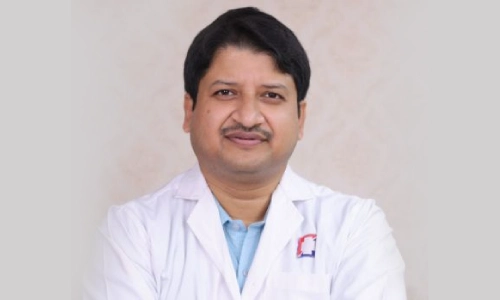
DR. SOMAK DAS
Qualifications: MBBS, MS(GEN.SURG.) DNB(GASTRO.SURG), MCH
Specialty: GASTRO SURGEON
Fees: Rs. 1,200.00
Available Days: MON, WED & FRI
Available Time: BY APPOINTMENT

DR. D. K. SARKAR
Qualifications: MBBSMS, DNB FRCS, (GOLD), FFSTED
Specialty: GENERAL SURGEON
Fees: Rs. 1,550.00
Available Days: MON, WED,THU & SAT
Available Time: MON WED,THU-16:00 & SAT-15:00

DR. RUDRADEEP BANERJEE
Qualifications: MS.(GEN.SURG), D.N. BMRCS
Specialty: GENERAL SURGEON
Fees: Rs. 1,000.00
Available Days: BY APPOINTMENT
Available Time: BY APPOINTMENT
DR. RANAJOY DUTTA
Qualifications: MBBS, M.S D.N.B
Specialty: GENERAL SURGEON
Fees: Rs. 1,200.00
Available Days: WED, SAT
Available Time: 17:00 - 18:00 PM
DR. ACHINTA KR DAS
Qualifications: MBBS, MS
Specialty: GENERAL SURGEON
Fees: Rs. 1,200.00
Available Days: BY APPOINTMENT
Available Time:BY APPOINTMENT
DR. SAMRIDDHI PODDAR
Qualifications: MBBS(HONS), MS(SURGERY), WBUHS NRSMCH
Specialty: GENERAL SURGEON
Fees: Rs. 1,000.00
Available Days: TUE & WED
Available Time: TUE 16:30-17:30 & WED 18:00-19:00
DR . B . B . BARAI
Qualifications: MBBS, DNB, PG DGM, CCEBDM
Specialty: GENERAL SURGEON
Fees: Rs. 1,200.00
Available Days: MON /FRIDAY
Available Time: 11:00-13:00
DR. SAPTARSHI KUNDU
Qualifications: MBBS, MS (GEN SUR)
Specialty: GENERAL SURGEON
Fees: Rs. 700.00
Available Days: BY APPOINTMENT
Available Time: BY APPOINTMENT
DR. MAINAK PAL
Qualifications: MBBS, MS, FMAS(GEN.SURG)
Specialty: GENERAL SURGEON
Fees: Rs. 1,000.00
Available Days: MON -FRI
Available Time: 17:00-18:00
DR. SUKANTA ROY
Qualifications: MBBS, MS(GASTO)
Specialty: GASTRO SURGEON
Fees: Rs. 1,000.00
Available Days: BY APPOINTMENT
Available Time: BY APPOINTMENT

DR. UDDIPTA DUTTA
Specialty: GASTRO SURGEON
Fees: Rs. 900.00
Available Days: BY APPOINTMENT
Available Time: BY APPOINTMENT
Hear From Our Happy Patients
Very good nursing home.all staff best
I had Laproscopic surgery of gallbladder stone on 23/6/26 & Discharge on 25/6/26. I had wonderful experience in nursing home, Very cooperative staff. Particularly Ms Aditi (Head Sister charge) , she has cooperated very well with Smily face. OT is well equipped with high quality instruments, Dr Mukesh Karia has done wonderful operations.
Very good nursing home
Very Supportive Staff with 24*7 support. Along with Neat and Clean cloths and bed.
Great treatment and recuperation. Doctors nurses and support staff mase it feel like home .
Thakuuuu Samaritan nursing home........and Dr.babuuuu khubbbb valooooo..apnader sakoler babohar khub valo r porisheba khubbb khubbb valo sakol k. Ank ank ank dhannobad ......
Very good nursing home
Very good Treatment here and also staff behaviour has very good
I have admitted my father here twice under Dr Arindam Dutta sir for the DJ stenting and RIRS (Kidney stone) .The entire team of Samaritan was fantastic.Specially Ms Aditi Nandi was so humble and cooperative .She attended us every time and Given all facilities.Through out the admitting time and discharge,all the sisters,brothers,Housekeeping ,ward boy everyone was so polite and well mannered.
Individuals at Higher Risk for Breast Lumps
| Groups | Factors |
|---|---|
| Age-related | Age, particularly after 40 or during postmenopausal years |
| Family and genetic | Family history; BRCA1, BRCA2, PALB2 mutations |
| Hormonal | Early menstruation; late menopause; long-term hormone replacement therapy |
| Breast tissue | Dense breast tissue on mammography |
| Lifestyle | Alcohol consumption; physical inactivity; overweight or obesity after menopause |
| Reproductive | No children; first full-term pregnancy after age 30 |
Causes Of Breast Lumps
- Fibroadenoma from glandular and fibrous tissue
- Cysts from trapped ductal fluid
- Fibrocystic changes from hormonal fluctuations
- Intraductal papilloma within milk ducts
- Mastitis causing inflammation or infection
- Breast abscess containing infected fluid
- Fat necrosis following tissue damage
- Lipoma arising from fatty tissue
- Breast cancer causing malignant tissue growth
Breast Lump Patterns, Diagnosis & Treatment Approach
| Pattern | Condition | Initial Approach | When Is Breast Lump Surgery Needed? | Expected Outcome |
|---|---|---|---|---|
| Benign, stable lump | Fibroadenoma | Clinical assessment and imaging | Growth, symptoms or concerning findings | Monitoring or removal |
| Fluid-filled lump | Breast cyst | Ultrasound and aspiration when indicated | Persistent, recurrent or symptomatic cyst | Symptom relief and diagnosis |
| Suspicious lump | Possible malignancy | Imaging and needle biopsy | Malignant or concerning pathology | Definitive diagnosis and treatment |
| Unclear pathology | Indeterminate lesion | Further biopsy or specialist assessment | Diagnosis requires tissue removal | Definitive pathological assessment |
| Confirmed breast cancer | Localised breast cancer | Cancer staging and treatment planning | Surgery indicated by cancer characteristics | Cancer removal with planned treatment |
| High-risk lesion | Atypical breast lesion | Pathological assessment | Selected lesions require wider excision | Reduction of concern and further risk assessment |
How Is a Breast Lump Evaluated?
Breast examination: Assesses lump and tissue.
Lymph node examination: Checks nearby lymph nodes.
Skin assessment: Identifies dimpling or changes.
Nipple assessment: Checks inversion or discharge.
Ultrasound: Distinguishes solid from fluid-filled lumps.
Mammography: Provides detailed breast X-ray images.
MRI: Used in selected clinical situations.
Image-guided biopsy: Samples suspicious breast tissue.
Blood tests: Not primary; used when clinically needed.
Additional tests: Ordered when clinically indicated.
Preoperative testing: May precede planned surgery.
Breast Lump Surgery: What to Expect?
Before
- Complete clinical breast examination.
- Undergo recommended imaging investigations.
- Complete biopsy when clinically indicated.
- Review medicines with the surgical team.
- Follow preoperative fasting instructions when required.
During
- Anaesthesia is selected for the procedure.
- An incision provides access to the lump.
- The abnormal tissue is removed.
- Removed tissue is sent for pathology.
- Stitches and dressing may be applied.
After
- Mild swelling or bruising may occur.
- Temporary breast discomfort is possible.
- The incision requires wound care.
- Activity restrictions depend on the procedure.
- Pathology confirms the final tissue diagnosis.
Benefits of Breast Lump Surgery
Definitive removal: Removes the targeted abnormal tissue.
Tissue diagnosis: Provides pathological examination.
Symptom relief: Can relieve discomfort from selected lumps.
Cancer treatment: Removes localised breast cancer when appropriate.
Breast preservation: Lumpectomy preserves remaining breast tissue.
Treatment planning: Pathology helps guide further management.
Targeted surgery: Removes the identified abnormal area.
Success Rate for Surgery in India
| Type | Rate |
|---|---|
| Benign | 95%–98% surgical removal success |
| Early-stage malignant | 90%–98.5% 5-year survival |
| Overall | 40%–85% 5-year overall survival |
Recovery After Breast Lump Surgery
Days 1–3: Mild soreness, swelling, bruising, tiredness.
Weeks 1–2: Tenderness fades; light work resumes.
Weeks 3–4: Bruising improves; normal activities gradually resume.
Months 3–6: Firmness, swelling, altered sensations may persist.
Complications if a Breast Lump Is Left Unevaluated
Delayed cancer detection: Malignancy may progress locally.
Metastatic spread: Cancer may spread to distant organs.
Unmanaged infections: Infection may worsen, causing tissue damage.
Benign tumour growth: Enlarging tumours may require complex surgery.
Emotional distress: Uncertainty can cause persistent anxiety.
Daily Management & Prevention Tips
Management Tips
- Wear supportive bras for comfort.
- Apply warm compresses for soreness.
- Limit caffeine, salt, and fats.
- Track changes across menstrual cycles.
- Monitor previously diagnosed benign lumps.
- Attend recommended breast imaging appointments.
- Follow pathology-based treatment recommendations.
- Attend postoperative follow-up appointments.
- Keep surgical wounds clean and protected.
- Report unusual postoperative changes promptly.
Prevention Strategies
- Maintain a healthy weight.
- Stay physically active regularly.
- Eat a balanced, nutritious diet.
- Limit alcohol consumption.
- Avoid smoking and tobacco.
- Report new breast lumps promptly.
- Attend recommended breast screening appointments.
- Learn your normal breast appearance.
- Report persistent nipple changes promptly.
- Discuss personal cancer risk with specialists.
Frequently Asked Questions
Can a breast cyst require surgery?
Sometimes. Many cysts need no treatment, while recurrent, painful or persistent cysts may require aspiration or, in selected cases, surgical removal.
Does every single breast lump have to be surgically removed right away?
No. Many lumps can be monitored or evaluated with imaging and biopsy first. Removal depends on the underlying cause, symptoms, growth, and pathology findings
Does a breast lump always require a biopsy?
No. The need for biopsy depends on the clinical examination and imaging findings. When cancer is suspected, doctors use tissue sampling to establish the diagnosis.
Does a Lump Mean You Have Breast Cancer?
No. Most breast lumps are benign. However, any new, persistent, or changing mass warrants clinical assessment to accurately determine its cause.
Do Cancerous Breast Lumps Always Hurt?
No. Malignant growths can be painless or tender. Discomfort alone cannot determine whether a mass is cancerous, so clinical assessment remains important.