
Laser Piles Treatment in Kolkata
Home / Treatments / General & Laparoscopic Surgery / Piles, fissure & fistula
Quick Answers
Can piles cause bleeding during bowel movements?
Yes, bright-red blood may appear alongside itching, swelling, soreness, or an external lump.
Is laser treatment suitable for piles?
Something, selected patients benefit after grading, symptom review, and specialist assessment.
Can piles get better without surgery?
Yes. milder cases often settle through fibre, fluids, and constipation control.
Can piles, fissures and fistulas be treated similarly?
No, each condition differs anatomically and requires tailored management based on the underlying cause.
What Are Piles, Fissure & Fistula?
Haemorrhoids (piles) are swollen blood vessels around the anus or inside the rectum. Anal fissures are a small cut, crack, or tear in the anal lining.Anal fistulas are abnormal tunnels or tracts connecting the inside of the anal canal to the skin near the anus.
Key points:
- Haemorrhoids affect approximately 11% of people.
- Anal fissures comprise 30%–40% of disorders.
- Anal fistulas affect roughly 1 in 10,000 people each year.
- Laser treatment used for piles also treats fissures and fistulas.
Types of Piles & Symptoms
Internal
Usually painless, but bleeding may occur during bowel movements.
Internal
Usually painless, but bleeding may occur during bowel movements.
External
Develop beneath the surrounding skin and often cause lumps, itching, and discomfort.
Prolapsed
Internal tissue bulges outward through the anal opening, causing discomfort.
Thrombosed
A blood clot causes sudden swelling, intense pain, and tenderness.
Common Indications
- Bright red blood after passing stool
- Itching or irritation around the anus
- Painful lumps or swelling near the anus
- Pain during or after bowel movements
- Mucus discharge after passing stool
- Feeling of incomplete bowel emptying
Types of Anal Fissure & Symptoms
Acute
A fresh tear lasting under six weeks, often healing with conservative treatment.
Chronic
A persistent tear exceeding six weeks, often showing thickened edges or skin tags.
Primary (Idiopathic)
Usually results from hard stools, constipation, straining, or childbirth-related trauma.
Secondary
May result from Crohn's disease, infections, or previous anorectal surgery.
Common Indications
- Cutting pain while passing stool
- Burning pain after bowel movements
- Bright red blood on toilet paper
- Small tear around the anus
- Small lump near the anus
- Itching or irritation around the anus
Types of Anal Fistula & Symptoms
Anorectal
A tract connects the anal canal to the surrounding skin, often after an infection.
Intersphincteric
The tract develops between the internal and external anal sphincter muscles.
Transsphincteric
The tract passes through both sphincter muscles before reaching the surrounding skin.
Suprasphincteric
The tract travels above the sphincter muscles before descending toward the skin.
Extrasphincteric
The tract bypasses the sphincter muscles and connects higher rectal areas.
Superficial (Submucosal)
The tract remains beneath the anal lining without involving sphincter muscles.
Common Indications
- Persistent pain around the anus
- Pus or foul-smelling anal discharge
- Itching, redness, or anal soreness
- Painful lump or recurrent abscess
- Fever or chills from infection
When To Seek Immediate Medical Care?
| Condition | Red Flags | Potential Risks |
|---|---|---|
| Piles (Haemorrhoids) | Heavy, continuous, or spurting rectal bleeding; dizziness, lightheadedness, or fainting; dark, tarry, or maroon stools; blood mixed into the stool; severe, sudden pain from a strangulated or thrombosed pile; prolapsed pile that cannot be pushed back inside | Severe anaemia from blood loss; colorectal cancer or inflammatory bowel disease; tissue necrosis from lost blood supply |
| Anal Fissure | Unbearable, tearing, or cutting pain lasting for hours after bowel movements; large amounts of bright red blood; fissure that fails to heal after 6 to 8 weeks of conservative care; multiple fissures occurring simultaneously | Chronic, deep ulceration; anal sphincter spasm; secondary bacterial infections |
| Anal Fistula | High fever, chills, or spreading redness around the anus; rapidly worsening or constant anal pain; sudden cessation of discharge followed by severe pain; profuse, foul-smelling pus or stool draining from the skin opening | Perianal abscess; systemic infection (sepsis); complex, branching fistula networks that are difficult to treat |
| General Systemic Warning Signs | Unexplained weight loss with bowel changes; sudden, persistent changes in bowel habits; continuous feeling of incomplete bowel emptying | Colorectal malignancy |
Why Choose Samaritan Medical Surgical & Critical Care?
At Samaritan Medical Surgical & Critical Care, we provide comprehensive healthcare solutions as per your needs. With a team of expert professionals, we focus on delivering compassionate, patient-centred care for optimal well-being.

NABH Certified
Accredited by NABH, ensuring the highest standards of healthcare quality and patient safety.

Surgical Excellence
Our skilled surgeons offer precision care for a wide range of surgical procedures.

Critical Care Support
Providing round-the-clock critical care with advanced equipment and expert medical teams.
Our Doctors
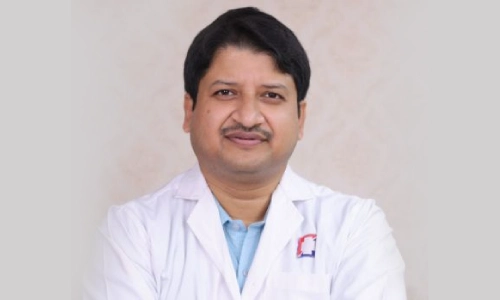
DR. SOMAK DAS
Qualifications: MBBS, MS(GEN.SURG.) DNB(GASTRO.SURG), MCH
Specialty: GASTRO SURGEON
Fees: Rs. 1,200.00
Available Days: MON, WED & FRI
Available Time: BY APPOINTMENT

DR. D. K. SARKAR
Qualifications: MBBSMS, DNB FRCS, (GOLD), FFSTED
Specialty: GENERAL SURGEON
Fees: Rs. 1,550.00
Available Days: MON, WED,THU & SAT
Available Time: MON WED,THU-16:00 & SAT-15:00

DR. RUDRADEEP BANERJEE
Qualifications: MS.(GEN.SURG), D.N. BMRCS
Specialty: GENERAL SURGEON
Fees: Rs. 1,000.00
Available Days: BY APPOINTMENT
Available Time: BY APPOINTMENT
DR. RANAJOY DUTTA
Qualifications: MBBS, M.S D.N.B
Specialty: GENERAL SURGEON
Fees: Rs. 1,200.00
Available Days: WED, SAT
Available Time: 17:00 - 18:00 PM
DR. ACHINTA KR DAS
Qualifications: MBBS, MS
Specialty: GENERAL SURGEON
Fees: Rs. 1,200.00
Available Days: BY APPOINTMENT
Available Time:BY APPOINTMENT
DR. SAMRIDDHI PODDAR
Qualifications: MBBS(HONS), MS(SURGERY), WBUHS NRSMCH
Specialty: GENERAL SURGEON
Fees: Rs. 1,000.00
Available Days: TUE & WED
Available Time: TUE 16:30-17:30 & WED 18:00-19:00
DR . B . B . BARAI
Qualifications: MBBS, DNB, PG DGM, CCEBDM
Specialty: GENERAL SURGEON
Fees: Rs. 1,200.00
Available Days: MON /FRIDAY
Available Time: 11:00-13:00
DR. SAPTARSHI KUNDU
Qualifications: MBBS, MS (GEN SUR)
Specialty: GENERAL SURGEON
Fees: Rs. 700.00
Available Days: BY APPOINTMENT
Available Time: BY APPOINTMENT
DR. MAINAK PAL
Qualifications: MBBS, MS, FMAS(GEN.SURG)
Specialty: GENERAL SURGEON
Fees: Rs. 1,000.00
Available Days: MON -FRI
Available Time: 17:00-18:00
DR. SUKANTA ROY
Qualifications: MBBS, MS(GASTO)
Specialty: GASTRO SURGEON
Fees: Rs. 1,000.00
Available Days: BY APPOINTMENT
Available Time: BY APPOINTMENT

DR. UDDIPTA DUTTA
Specialty: GASTRO SURGEON
Fees: Rs. 900.00
Available Days: BY APPOINTMENT
Available Time: BY APPOINTMENT
Hear From Our Happy Patients
Very good nursing home.all staff best
I had Laproscopic surgery of gallbladder stone on 23/6/26 & Discharge on 25/6/26. I had wonderful experience in nursing home, Very cooperative staff. Particularly Ms Aditi (Head Sister charge) , she has cooperated very well with Smily face. OT is well equipped with high quality instruments, Dr Mukesh Karia has done wonderful operations.
Very good nursing home
Very Supportive Staff with 24*7 support. Along with Neat and Clean cloths and bed.
Great treatment and recuperation. Doctors nurses and support staff mase it feel like home .
Thakuuuu Samaritan nursing home........and Dr.babuuuu khubbbb valooooo..apnader sakoler babohar khub valo r porisheba khubbb khubbb valo sakol k. Ank ank ank dhannobad ......
Very good nursing home
Very good Treatment here and also staff behaviour has very good
I have admitted my father here twice under Dr Arindam Dutta sir for the DJ stenting and RIRS (Kidney stone) .The entire team of Samaritan was fantastic.Specially Ms Aditi Nandi was so humble and cooperative .She attended us every time and Given all facilities.Through out the admitting time and discharge,all the sisters,brothers,Housekeeping ,ward boy everyone was so polite and well mannered.
Who Is at Higher Risk of Piles, Fissure & Fistula?
| Condition | Groups | Factors |
|---|---|---|
| Piles | Pregnant women, adults 50+, people with obesity, sedentary workers, heavy lifters | Pelvic pressure, ageing, obesity, prolonged sitting, straining |
| Anal fissures | People with constipation, postpartum women, people with Crohn’s disease, chronic diarrhoea | Hard stools, childbirth, inflammation, frequent bowel movements |
| Anal fistulas | People with previous anal abscesses, men, patients with IBD | Previous infection, male sex, chronic intestinal inflammation |
Causes Of Piles, Fissure & Fistula
All three have different causes, including increased pressure on anal veins, tearing of the anal lining, and infection or inflammation.
- Straining during bowel movements
- Chronic constipation or persistent diarrhoea
- Pregnancy-related pelvic pressure
- Obesity and ageing
- Prolonged sitting on the toilet
- Heavy weight lifting
- Passing hard or large stools
- Childbirth-related trauma
- Tight anal sphincter muscles
- Inflammatory bowel disease, including Crohn’s disease
- Anal abscess that fails to heal
- Trauma or previous anal surgery
- Tuberculosis or bacterial infections
- Previous pelvic radiation therapy.
How Are Piles, Fissure & Fistula Evaluated?
Clinical Examination
- Reviews bleeding, pain, and discharge.
- Inspection of visible anal abnormalities.
- Digital examination
- Anoscopy
- Fistula assessment
Blood Tests
- Complete blood count
- Inflammatory markers
- Glucose testing
Diagnostic Imaging
- Endoanal ultrasound
- MRI pelvis
- CT scan
- Proctoscopy
- Imaging findings
How Does Laser Treatment Work for Piles, Fissures & Fistulas?
It uses precise laser energy through a thin fibre probe to treat abnormal tissue with minimal cuts or stitches.
| Condition | How It Works |
|---|---|
| Piles (LHP) | A thin laser fibre targets the swollen haemorrhoidal cushion. Controlled heat shrinks tissue, reduces blood supply, and seals small vessels to minimise bleeding. |
| Fissures (Laser Sphincterotomy) | A small probe targets the internal anal sphincter. Laser energy relaxes the tight muscle, reduces painful spasms, and improves blood flow for healing. |
| Fistulas (FiLaC) | A flexible laser probe enters the fistula tract. Laser energy treats the tract lining and seals it from inside while preserving surrounding sphincter muscle. |
What To Expect During Laser Piles Treatment?
Before
- Confirm the haemorrhoid diagnosis and grade.
- Review symptoms and previous treatments.
- Complete required preoperative investigations beforehand.
- Discuss medicines with the surgical team.
- Receive appropriate anaesthesia assessment before treatment.
During
- Anaesthesia keeps you comfortable throughout.
- Small instruments provide access to haemorrhoids.
- Laser energy targets selected haemorrhoidal tissue.
- Treatment aims to reduce haemorrhoidal blood flow.
- Procedure duration varies between patients.
After
- Staff monitor you during recovery.
- Pain and discomfort receive appropriate management.
- Most patients gradually resume normal activity.
- Bowel movements require stool-softening measures.
- Adequate fluids support softer stools.
- Follow-up checks assess healing progress.
- Activity resumes according to recovery.
Benefits of Laser Piles Treatment
Smaller treatment area: Limited tissue disruption during treatment.
Reduced postoperative discomfort: Less extensive tissue trauma.
Minimally invasive access: Avoids larger surgical wounds.
Faster functional recovery: Most resume daily activities within 1–5 days.
Less visible scarring: External wounds remain limited.
Targeted treatment: Focuses treatment on haemorrhoidal tissue.
Shorter hospital stay: Often suitable for day-care treatment.
Treatment Success Rates in India
| Condition | Success Rate | Consideration |
|---|---|---|
| Piles (Haemorrhoids) | 87% to >90% | Best reported outcomes are generally for Grades 1–3; recurrence may be reduced with appropriate diet and fibre intake. |
| Anal Fissure | Often >90% | Healing is associated with relieving internal sphincter pressure and spasms. |
| Anal Fistula | 70%–85% | Outcomes vary considerably with fistula complexity and the laser technique used. |
| Complex Anal Fistula – DLPL | Up to 99% | Higher reported rates are associated with specialised diode laser plug/closure techniques in selected cases. |
Recovery After Laser Piles Treatment
Day 1: Rest and gentle movement.
Days 2–3: Gradually increase daily activity.
Week 1: Resume light routine activities.
Weeks 2–4: Gradually increase physical activity.
Complications if Piles, Fissure & Fistula Are Left Untreated
- Recurrent bleeding from symptomatic piles
- Persistent pain during bowel movements
- Chronic anal irritation and discomfort
- Recurrent abscess formation around the anus
- Persistent discharge from anal fistula
- Fistula recurrence after temporary drainage
- Worsening symptoms affecting daily activities
- Rare complications from prolonged infection
Daily Management & Prevention Tips
Management Tips
- Drink adequate fluids throughout each day.
- Eat fibre-rich foods regularly.
- Avoid straining during bowel movements.
- Do not delay bowel movements.
- Keep the anal area gently clean.
- Follow prescribed medicines exactly as directed.
Prevention Strategies
- Maintain regular bowel movements consistently.
- Increase dietary fibre gradually.
- Exercise regularly throughout each week.
- Maintain a healthy body weight.
- Avoid prolonged toilet sitting habits.
- Manage constipation before symptoms worsen.
Frequently Asked Questions
Can piles cause pain while sitting?
Yes. External piles, particularly thrombosed haemorrhoids, can cause significant discomfort while sitting, walking, or moving.
How to differentiate piles from a fissure?
Piles commonly cause bleeding, itching, or lumps, while fissures typically cause sharp pain during bowel movements followed by burning discomfort.
Can a fistula cause pus discharge?
Yes. An anal fistula may cause persistent or recurrent discharge of pus or blood through an opening near the anus.
Can an anal fissure heal without surgery?
Yes. Many fissures heal with stool-softening measures and appropriate medical treatment, although persistent or recurrent fissures may require a procedure.
Is laser treatment suitable for every pile?
No. The appropriate treatment depends on haemorrhoid type, grade, symptoms, anatomy, and response to previous treatment.