
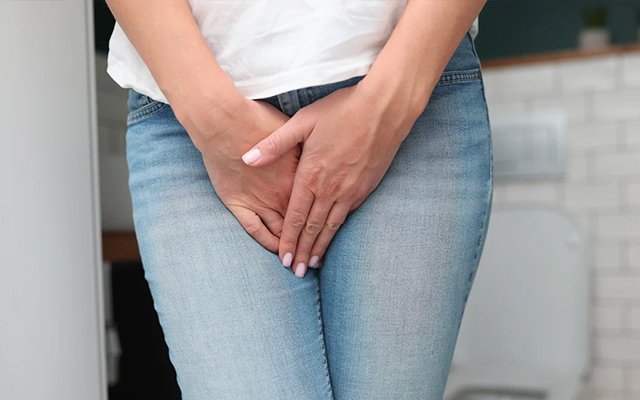
If every outing, meeting, or night’s sleep is interrupted by a washroom visit, your bladder needs attention.
Frequent urination, pain, urgency, burning, leakage, or night-time urination may not be “normal.” These signs can be linked to UTI, overactive bladder, stones, inflammation, or prostate issues that need proper diagnosis.
This blog explains what these symptoms can mean, when to see a doctor, and how treatment usually depends on the cause
Bladder Problem Symptoms You Should Notice Early
Bladder problems do not always start with severe pain. In many cases, the first signs are small changes in urinary habits. Paying attention to these changes can help in getting timely care.
Frequent urination
Frequent urination means passing urine more often than usual. It may happen during the day, night, or both.
Common causes of frequent urination include
- Urinary tract infection,
- Diabetes,
- Overactive bladder,
- High fluid intake,
- Excess tea or coffee, and
Pain or burning while urinating
Pain, stinging, or a burning sensation while urinating is one of the most common urinary complaints.
Painful urination symptoms may be caused by:
- Urinary tract infection,
- Cystitis,
- Stones,
- Dehydration, or
- Irritation in the urinary passage
Night-time urination
Waking up once at night occasionally may not be serious. But waking up repeatedly to urinate can disturb sleep and daily energy levels.
Common nighttime urination causes include
- Overactive bladder,
- Urinary infection,
- Diabetes,
- Prostate enlargement,
- Excess evening fluids
Urine leakage or poor bladder control
Urine leakage or poor bladder control may happen while coughing, laughing, walking, exercising, or before reaching the washroom.
If it happens often, it may indicate
- Bladder weakness,
- Overactive bladder,
- Infection
Common Reasons Behind Frequent Urination, Pain, and Urgency

Bladder symptoms can have several causes. The same symptom may happen due to different conditions, so diagnosis is important.
These are the common causes:
Urinary tract infection
Urinary tract infection is one of the common causes of burning urine, urgency, and frequent urination. Urinary tract infection symptoms may include pain while urinating, cloudy urine, lower abdominal pain, strong-smelling urine, fever, or blood in urine.
UTIs are more common in women, but men, elderly people, pregnant women, and people with diabetes may also get urinary infections.
Overactive bladder
Overactive bladder happens when the bladder muscles contract too often or too suddenly. Common overactive bladder symptoms include sudden urgency, frequent urination, urine leakage, and waking up at night to pass urine.
This condition can affect daily travel, meetings, sleep, and social comfort. With proper diagnosis, symptoms can often be managed through lifestyle changes, bladder training, medicines, or other treatments.
Cystitis or bladder inflammation
Cystitis means inflammation of the bladder. It may happen due to infection or irritation. Symptoms may include bladder pressure, burning urine, pelvic discomfort, and frequent urination. Some people may feel pain even when only a small amount of urine passes.
Kidney stones or urinary stones
Stones in the kidney, ureter, or bladder can cause urinary pain, urgency, blood in the urine, or severe pain in the back, side, or lower abdomen. If urine flow gets blocked, the condition may become more serious.
Prostate-related urinary problems
In men, especially after middle age, prostate enlargement can cause difficulty passing urine, weak urine flow, repeated night-time urination, urgency, and incomplete bladder emptying. These symptoms should be checked by a urologist instead of being treated as normal ageing.
When Should a Doctor Be Consulted for Bladder Symptoms?
Bladder symptoms need medical attention when they are severe, persistent, or associated with warning signs.
Do not delay consultation if any of the following symptoms are present:
- Blood in urine
- Fever or chills
- Back pain or side pain
- Severe lower abdominal pain
- Vomiting or nausea with urinary symptoms
- Difficulty passing urine
- Repeated urinary infections
- Burning urine during pregnancy
- Urinary symptoms in elderly patients
- Sudden urine leakage or loss of bladder control
A timely consultation with a urologist helps detect the cause behind the bladder problems and also helps avoid delayed treatment.
How Are Bladder Problems Diagnosed?
Diagnosis usually starts with a discussion about symptoms, medical history, lifestyle habits, medicines, and previous infections.
Know how bladder issues are being diagnosed:
| Test / Check-up | What It Checks | When It May Be Needed |
| Symptom history | Urine frequency, pain, burning, urgency, lifestyle habits, past infections, or stone history. | Usually done first during consultation. |
| Urine test | Infection, bacteria, blood, sugar, or pus cells in urine. | Needed when UTI or inflammation is suspected. |
| Imaging or urology tests | Bladder, kidney, prostate, stones, urine flow, or bladder function. | Suggested for repeated, severe, or unclear symptoms. |
Treatment Options
Bladder treatment depends on whether the symptoms are caused by
- Infection,
- Bladder overactivity,
- Stones or Prostate enlargement
Infection-related symptoms
If urine tests confirm infection, the doctor may prescribe antibiotics. The dose and duration should be completed as advised, even if symptoms improve early. Drinking enough water and following hygiene measures may support recovery.
Avoid taking antibiotics without medical advice, as not every urinary symptom is caused by infection.
Management for overactive bladder
Overactive bladder may be managed with bladder training, fluid timing, pelvic floor exercises, medicines, and lifestyle changes. Reducing excess caffeine and tracking urgency episodes may also help.
Stones or prostate-related problems
Urinary stones may need medicines, hydration guidance, pain management, or procedures depending on size and location. Prostate-related urinary problems may need medicines, monitoring, or surgical treatment in selected cases.
For proper bladder problems treatment in Kolkata, Samaritan Hospital provides evaluation-based care so that treatment is planned accordingly.
Simple Habits That May Support Bladder Health

Lifestyle habits cannot replace medical treatment, but they can support bladder comfort and reduce repeated irritation.
Helpful habits include:
- Drink enough water throughout the day
- Avoid holding urine for too long
- Reduce excess tea, coffee, and carbonated drinks
- Maintain intimate hygiene
- Pass urine after long travel or long sitting hours
- Complete prescribed medicines properly
- Track repeated urinary symptoms
- Avoid self-medicating with leftover antibiotics
- Manage diabetes and other chronic conditions
- Seek care early if symptoms return frequently
Small Urinary Signs Can Mean Bigger Concerns
Repeated washroom visits, burning, urgency, leakage, or disturbed sleep can quickly become more than a small inconvenience. These symptoms may happen due to a UTI, bladder inflammation, overactive bladder, urinary stones, prostate-related concerns, or other urinary conditions.
If you are experiencing burning urine, urgency, leakage, or frequent urination, book an appointment at Samaritan Hospital for proper evaluation and bladder problems treatment.
People Also Ask
Is frequent urination always a UTI?
No, frequent urination is not always a UTI. It may also happen due to an overactive bladder, diabetes, high fluid intake, excess caffeine, prostate problems, or certain medicines.
Why does pain happen while passing urine?
Pain while passing urine may happen due to a UTI, bladder inflammation, urinary stones, dehydration, or irritation in the urinary passage. A urine test can help identify the cause.
When is urinary urgency serious?
Urinary urgency becomes serious when it is sudden, repeated, painful, causes leakage, or comes with fever, blood in urine, back pain, or difficulty passing urine.
Can bladder problems disturb sleep?
Yes, bladder problems can disturb sleep by causing repeated night-time urination. This may happen due to overactive bladder, UTI, diabetes, prostate enlargement, or excess fluid intake at night.
Should antibiotics be taken for burning urine?
Antibiotics should not be taken without medical advice. Burning urine may be caused by infection, stones, irritation, or inflammation, so proper diagnosis is needed before treatment.