
Orthopedic and Musculoskeletal Treatments in Kolkata
Home / Treatments / Orthopedic
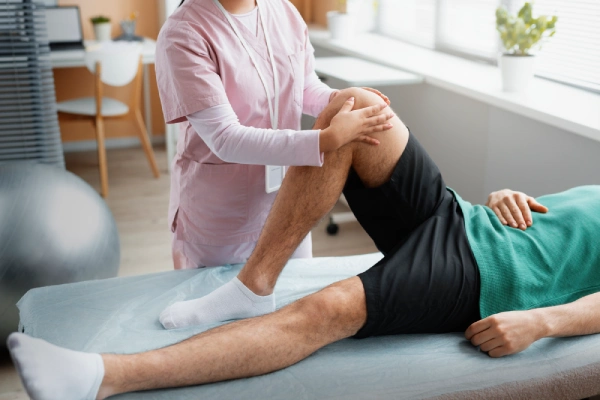
Pain in the joints or back often starts small but can worsen over time. Injuries, stiffness, or reduced mobility can make routine activities difficult if left unaddressed. At Samaritan Medical Surgical & Critical Care, Kolkata, orthopaedic treatment focuses on identifying the cause of the problem and correcting it through imaging and clinical assessment.
Care covers joint conditions, spine-related issues, trauma, and sports injuries. Depending on the condition, treatment may involve medication, rehabilitation, or surgery, including minimally invasive techniques where required. The aim is to restore movement, improve strength, and support a stable return to normal physical activity.
Musculoskeletal Conditions We Diagnose and Treat
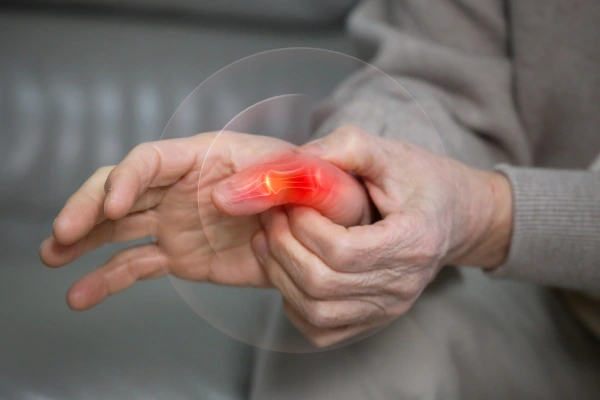
Arthritis
Arthritis involves inflammation and joint degeneration, leading to pain, stiffness, and reduced mobility. Common types include osteoarthritis, rheumatoid arthritis, and post-traumatic arthritis. Management focuses on pain control, joint preservation, and functional improvement through medication, physiotherapy, and lifestyle modification. Early intervention helps delay joint damage and maintain mobility.
Quick Overview
- Causes joint pain, stiffness, and swelling
- Includes osteoarthritis and inflammatory arthritis
- Managed with medication and physiotherapy
- Early care slows joint degeneration
Scoliosis
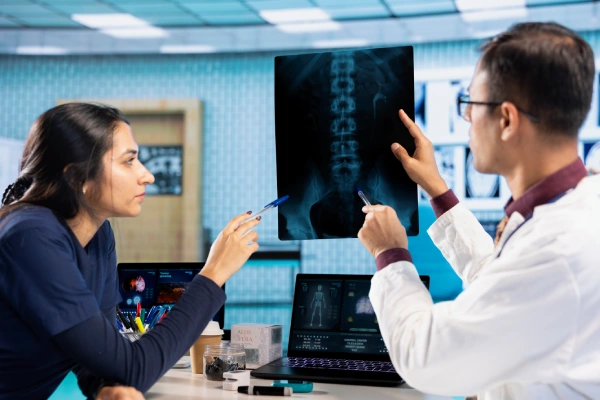
Scoliosis is a lateral curvature of the spine that may develop during growth or due to degenerative changes in adults. It can affect posture, balance, and, in severe cases, lung function. Diagnosis involves clinical assessment and spinal imaging. Treatment ranges from observation and bracing to surgical correction, depending on severity and progression.
At A Glance
- Abnormal sideways curvature of the spine
- Common in adolescents and older adults
- Diagnosed through clinical exam and imaging
- Managed with bracing or surgery if severe
Degenerative Disc Disease
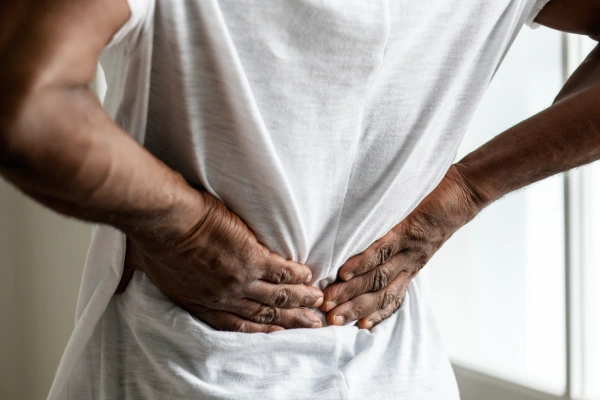
Degenerative Disc Disease occurs when spinal discs lose hydration and elasticity over time, leading to pain, stiffness, and reduced flexibility. It commonly affects the cervical and lumbar spine. Symptoms may include back pain, nerve compression, and reduced mobility. Treatment includes physiotherapy, medication, and in selected cases, surgical intervention.
Quick Overview
- Age-related disc wear and tear
- Causes chronic back or neck pain
- May lead to nerve compression
- Managed with therapy and targeted treatment
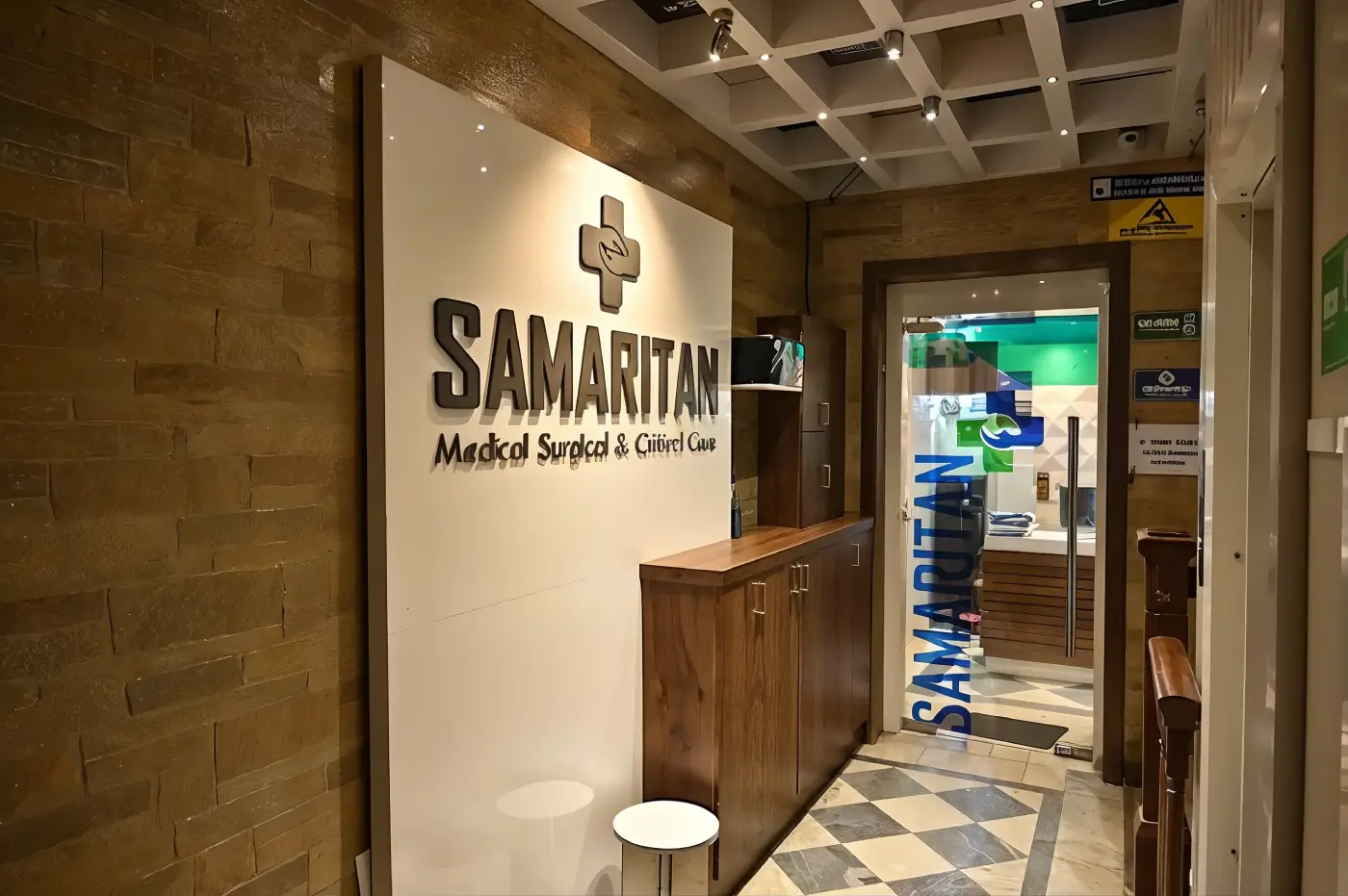
Why Choose Samaritan Medical Surgical & Critical Care?
At Samaritan Medical Surgical & Critical Care, we provide comprehensive healthcare solutions as per your needs. With a team of expert professionals, we focus on delivering compassionate, patient-centred care for optimal well-being.

NABH Certified
Accredited by NABH, ensuring the highest standards of healthcare quality and patient safety.

Surgical Excellence
Our skilled surgeons offer precision care for a wide range of surgical procedures.

Critical Care Support
Providing round-the-clock critical care with advanced equipment and expert medical teams.
Our Doctors
DR. ANJAN PAN
Qualifications: MBBS(CAL), DIPL. ORTHO TRAUMA(VIENNA)
Specialty: ORTHOPAEDICS
Experience: 42 years
Fees: Rs. 1,200.00
Available Days: MON, THU
Available Time: MON: 10:30 - 13:00, THU: 08:30 - 11:00
PROF. DR. MUKUL BHATTACHARYA
Qualifications: M.S(ORTHO) PROF.DEPT. OF ORTHO SURGEON, SSKM
Specialty: ORTHOPAEDICS
Experience: 37 years
Fees: Rs. 1,700.00
Available Days: TUE
Available Time: 14:00
Dr. ANUPAM DAS
Qualifications: MBBS, MS ORTHO DNB, MNAMS AADO
Specialty: ORTHOPAEDICS
Experience: 14 years
Fees: Rs. 1,700.00
Available Days: TUE & THU
Available Time: 17:00-19:00
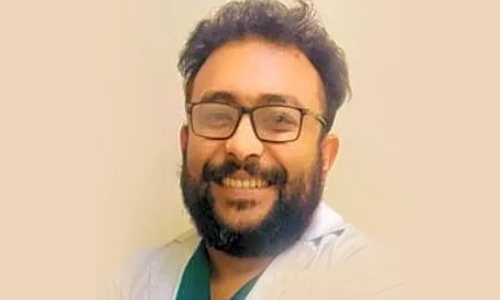
DR. GOURAB CHANDRA
Qualifications: M.B.B.S, MS, ORTHOPAEDICS
Specialty: ORTHOPAEDICS
Experience: 12 years
Fees: Rs. 1,200.00
Available Days: SAT
Available Time: 16:00-18:00
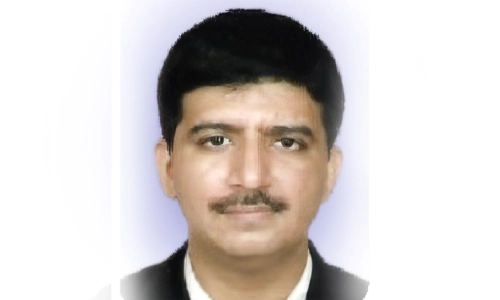
DR. KAUNTEYA GHOSH
Qualifications: MBBS(HONS), MS(ORTHO), DIP.SICOT
Specialty: ORTHOPAEDICS
Experience: 3 years
Fees: Rs. 1,200.00
Available Days: MON & WED
Available Time: 13:00-13:30
DR. TAHA AHMED
Qualifications: MBBS, MS(ORTHO)
Specialty: ORTHOPAEDICS
Fees: Rs. 1,200.00
Available Days: MON TO SAT
DR. ALOK SHOVAN DUTTA
Qualifications: MBBS, MS ORTHO
Specialty: ORTHOPAEDICS
Experience: 38 years
Fees: Rs. 1,400.00
Available Days: TUES & SAT
Available Time: 12:30 - 14:00
DR. SUSHRUTA BHATTACHARYA
Qualifications: MBBS(HONS), DNB, MNAS
Specialty: ORTHOPAEDICS
Fees: Rs. 1,000.00
Available Days: BY APPOINTMENT
Available Time: BY APPOINTMENT
DR. A. PATHAK
Qualifications: MBBS(CAL), M.S.ORTHO(CAL)
Specialty: ORTHOPAEDICS
Fees: Rs. 1,200.00
Available Days: SAT
Available Time: 11:00-11:30
DR ANUVAB GOSWAMI
Qualifications: MBBS(Hons.)CAL, M.S. ORTHO, DNB, MRCS(ENGLAND)
Specialty: ORTHOPAEDICS
Fees: Rs. 800.00
Available Days: MON & TUE/FRI
Available Time: MON-13:00 & TUE/FRI-17:00
DR. ANISH HAZRA
Qualifications: ORTHO
Specialty: ORTHOPAEDICS
Fees: Rs. 800.00
Available Days: Wed
Available Time: 16:00
Hear From Our Happy Patients
Very good nursing home.all staff best
I had Laproscopic surgery of gallbladder stone on 23/6/26 & Discharge on 25/6/26. I had wonderful experience in nursing home, Very cooperative staff. Particularly Ms Aditi (Head Sister charge) , she has cooperated very well with Smily face. OT is well equipped with high quality instruments, Dr Mukesh Karia has done wonderful operations.
Very good nursing home
Very Supportive Staff with 24*7 support. Along with Neat and Clean cloths and bed.
Great treatment and recuperation. Doctors nurses and support staff mase it feel like home .
Thakuuuu Samaritan nursing home........and Dr.babuuuu khubbbb valooooo..apnader sakoler babohar khub valo r porisheba khubbb khubbb valo sakol k. Ank ank ank dhannobad ......
Very good nursing home
Very good Treatment here and also staff behaviour has very good
I have admitted my father here twice under Dr Arindam Dutta sir for the DJ stenting and RIRS (Kidney stone) .The entire team of Samaritan was fantastic.Specially Ms Aditi Nandi was so humble and cooperative .She attended us every time and Given all facilities.Through out the admitting time and discharge,all the sisters,brothers,Housekeeping ,ward boy everyone was so polite and well mannered.
Orthopaedic Trauma and Injury Care
Fractures
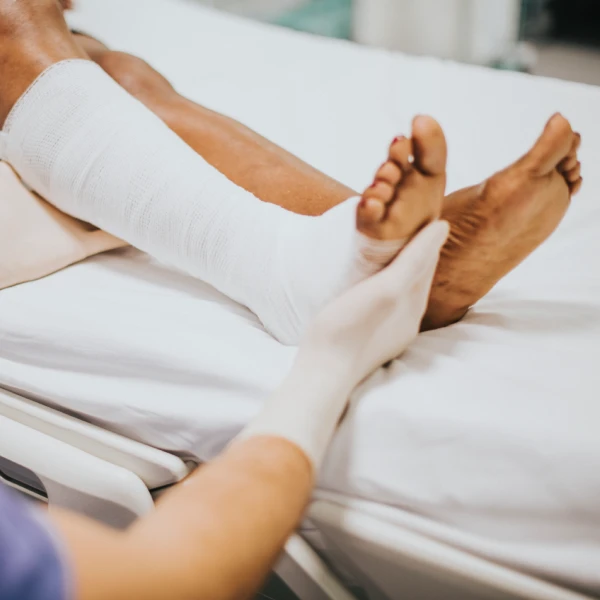
Fractures are partial or complete breaks in bones caused by trauma, falls, or other forms of stress. Management depends on fracture type and location, ranging from immobilisation and casting to surgical fixation using plates, screws, or rods. Timely treatment ensures proper bone alignment and healing, preventing long-term complications.
At A Glance
- Breaks in the bone due to trauma or stress
- Requires immobilisation or surgical fixation
- Healing depends on alignment and stability
- Early treatment prevents complications
Spinal Injury
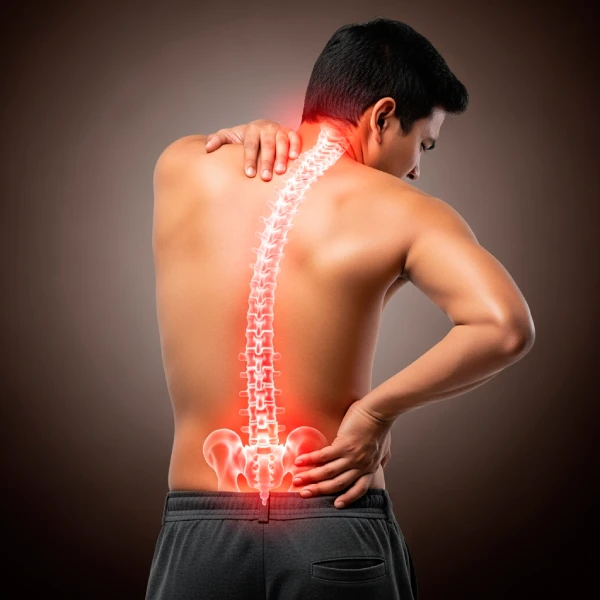
Spinal injuries involve damage to the vertebrae, discs, or spinal cord, often resulting from trauma such as accidents or falls. Severity ranges from mild soft tissue injury to neurological impairment. Management includes stabilisation, imaging evaluation, and, when required, surgical intervention to prevent further damage and restore function.
Quick Overview
- Affects spine structure and nerve function
- Caused by trauma or high-impact injury
- Requires urgent evaluation and stabilisation
- May involve surgical management
Sports Injury
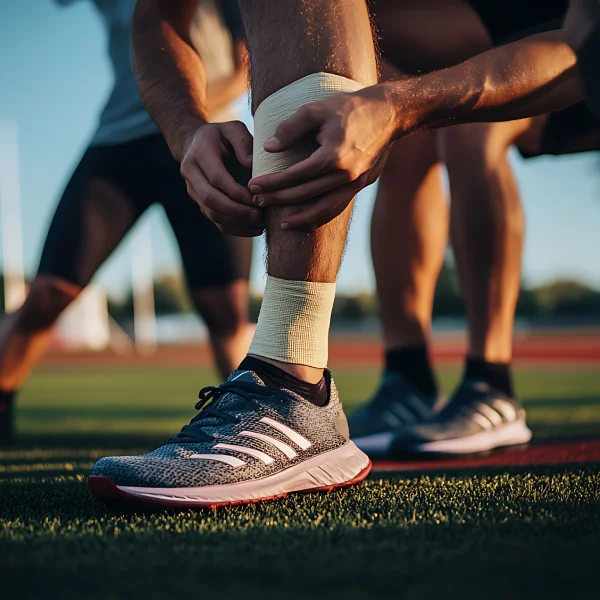
Sports injuries include ligament tears, muscle strains, tendon injuries, and joint instability caused by physical activity or overuse. Common conditions include ACL tears, rotator cuff injuries, and ankle sprains. Management focuses on accurate diagnosis, structured rehabilitation, and gradual return to activity.
At A Glance
- Includes ligament, muscle, and tendon injuries
- Often caused by overuse or sudden impact
- Requires targeted rehabilitation
- Focus on safe return to activity
Advanced Orthopaedic Procedures
Joint Replacement
Joint replacement surgery involves replacing damaged joints, commonly the knee or hip, with artificial implants to restore movement and reduce pain. It is recommended for advanced arthritis or severe joint damage. Modern techniques improve precision, reduce recovery time, and enhance long-term function.
Quick Overview
- Replaces damaged joints with implants
- Common in knee and hip arthritis
- Improves mobility and reduces pain
- Advanced techniques support faster recovery
Arthroscopic Surgery
Arthroscopic surgery is a minimally invasive procedure used to diagnose and treat joint conditions using a small camera and specialised instruments. It is commonly used for knee, shoulder, and ligament injuries. This approach reduces tissue damage, shortens recovery time, and allows faster rehabilitation.
At A Glance
- Minimally invasive joint procedure
- Used for ligament and cartilage injuries
- Faster recovery compared to open surgery
- Enables precise diagnosis and treatment
Specialised Orthopaedic Care
Paediatric Orthopaedics
Paediatric orthopaedics focuses on musculoskeletal conditions in children, including congenital deformities, growth-related issues, and injuries. Conditions such as clubfoot, limb deformities, and developmental dysplasia require early diagnosis and specialised treatment to ensure proper growth and function.
Quick Overview
- Focuses on bone and joint issues in children
- Includes congenital and developmental conditions
- Requires early diagnosis and intervention
- Supports normal growth and mobility
Rehabilitation
Rehabilitation is essential for restoring strength, mobility, and function after injury, surgery, or chronic musculoskeletal conditions. It includes physiotherapy, mobility training, and pain management strategies tailored to the patient’s condition. Structured rehabilitation improves recovery outcomes and reduces the risk of recurrence.
At A Glance
- Restores mobility and physical function
- Essential after surgery or injury
- Includes physiotherapy and guided exercise
- Prevents recurrence and long-term disability
Frequently Asked Questions
Find answers to common questions to help you better understand the condition and general concerns.
What symptoms indicate the need for orthopaedic consultation?
Persistent joint pain, stiffness, swelling, or restricted movement lasting more than a few weeks requires orthopaedic evaluation. Warning signs also include back pain with nerve symptoms, joint instability, or difficulty bearing weight, as these may indicate structural damage needing early intervention.
When is orthopaedic surgery necessary?
Orthopaedic surgery is required when joint damage, ligament tears, or fractures cannot be managed with conservative treatment. It is typically advised that, when pain persists, mobility is significantly limited, or imaging shows structural abnormalities requiring correction.
How long does recovery take after orthopaedic surgery?
Recovery after orthopaedic surgery depends on the procedure and rehabilitation. Minimally invasive surgeries may take a few weeks, while joint replacement or spinal procedures generally require 3–6 months for functional recovery with guided physiotherapy.
Can joint and spine conditions be treated without surgery?
Many joint and spine conditions can be treated without surgery, especially in the early stages. Physiotherapy, medication, posture correction, and activity modification help manage symptoms and improve function, often delaying or avoiding the need for surgical intervention.
Why is rehabilitation important after orthopaedic treatment?
Rehabilitation is essential after orthopaedic treatment to restore strength, mobility, and joint stability. It helps reduce stiffness, improve functional movement, and support safe return to daily activities or sports through structured, condition-specific therapy.