
Digestive Health and Gastroenterology Treatments in Kolkata
Home / Treatments / Gastroenterology
Digestive issues can quietly affect daily life—from recurring acidity to more serious liver or intestinal conditions. At Samaritan Medical Surgical & Critical Care, Kolkata, advanced gastroenterology care and treatment are designed to identify the root cause early and treat it with precision.
With a combination of expert clinical evaluation, modern diagnostics, and minimally invasive procedures, a wide range of digestive, liver, and pancreatic disorders is managed under one roof. Each treatment plan is carefully structured to ensure accurate diagnosis, targeted therapy, and long-term relief.
Focused monitoring, timely intervention, and personalised care pathways help maintain lasting gastrointestinal health—so treatment is not just about managing symptoms, but restoring overall well-being.
Advanced Treatment for Digestive, Liver and Pancreatic Conditions
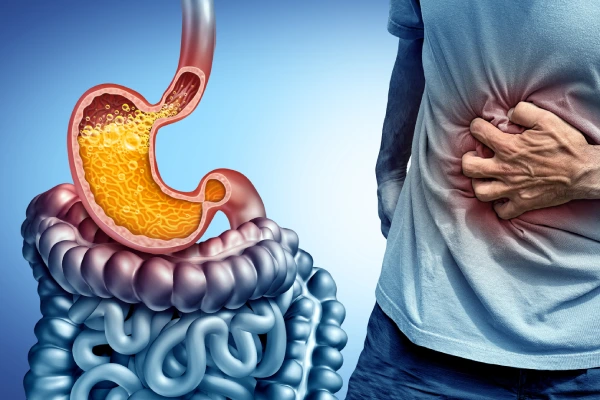
GERD
Gastroesophageal Reflux Disease (GERD) is caused by chronic acid reflux into the oesophagus, leading to heartburn, regurgitation, and chest discomfort. Persistent reflux can damage the oesophageal lining and lead to complications such as strictures or Barrett’s oesophagus. Diagnosis is based on symptom evaluation and confirmatory testing. Early treatment prevents progression and improves quality of life.
Our Treatment Approach Includes:
- Proton pump inhibitors for acid suppression
- Lifestyle correction (diet, weight, posture)
- H. pylori testing when indicated
- Long-term symptom control and relapse prevention
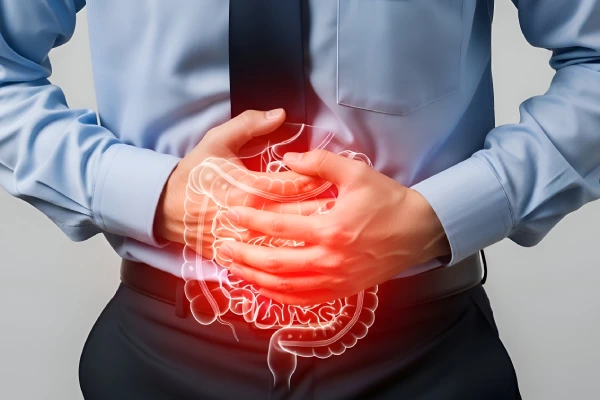
IBD
Inflammatory Bowel Disease (IBD), including Crohn’s disease and ulcerative colitis, involves chronic inflammation of the intestinal tract. It presents with diarrhoea, abdominal pain, rectal bleeding, and weight loss. The disease follows a relapsing pattern and requires continuous medical management to control inflammation and prevent complications.
Our Treatment Approach Includes:
- Anti-inflammatory therapy for flare control
- Immunomodulators and biologic therapy
- Nutritional support and deficiency correction
- Long-term remission maintenance strategies
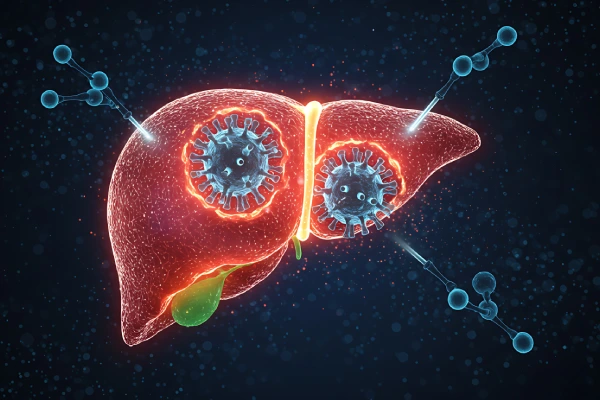
Hepatitis
Hepatitis refers to inflammation of the liver caused by viral infections, alcohol use, metabolic disorders, or autoimmune conditions. It may present with fatigue, jaundice, and abnormal liver function tests. Chronic disease can progress to cirrhosis or liver failure if untreated.
Our Treatment Approach Includes:
- Antiviral therapy for hepatitis B and C
- Regular monitoring of liver function
- Lifestyle modification and alcohol cessation
- Prevention of fibrosis progression

Celiac Disease
Celiac disease is an autoimmune condition triggered by gluten, causing damage to the small intestine and nutrient malabsorption. It presents with diarrhoea, bloating, anaemia, and weight loss. Diagnosis is confirmed through serology and biopsy. Strict adherence to a diet is essential for recovery.
Our Treatment Approach Includes:
- Lifelong gluten-free dietary management
- Monitoring with serological markers
- Correction of micronutrient deficiencies
- Long-term intestinal healing support
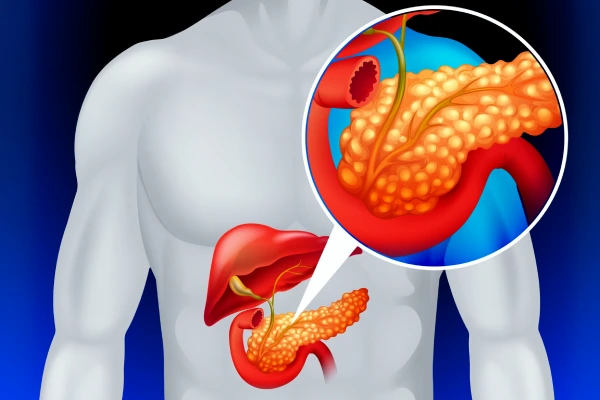
Pancreatitis
Pancreatitis is inflammation of the pancreas presenting with severe abdominal pain, nausea, and digestive disturbances. It may be acute or chronic and is commonly linked to gallstones or alcohol use, which may require gallbladder removal surgery to prevent recurrence. Early treatment is essential to prevent systemic complications.
Our Treatment Approach Includes:
- Intensive fluid and electrolyte management
- Pain control and supportive care
- Nutritional support and pancreatic rest
- Management of underlying causes
Why Choose Samaritan Medical Surgical & Critical Care?
At Samaritan Medical Surgical & Critical Care, we provide comprehensive healthcare solutions as per your needs. With a team of expert professionals, we focus on delivering compassionate, patient-centred care for optimal well-being.

NABH Certified
Accredited by NABH, ensuring the highest standards of healthcare quality and patient safety.

Surgical Excellence
Our skilled surgeons offer precision care for a wide range of surgical procedures.

Critical Care Support
Providing round-the-clock critical care with advanced equipment and expert medical teams.
Our Doctors
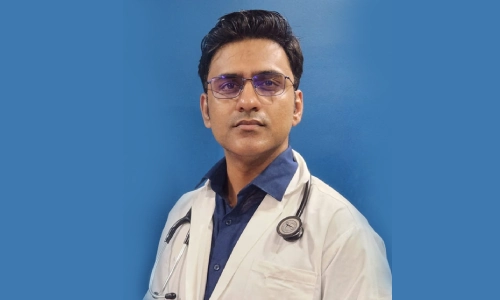
DR. SHIV RATAN PATHAK
Qualifications: MBBS, MD, DRNB (Gastroenterology)
Specialty: GASTRO SURGEON
Experience: 8 years
Fees: Rs. 1,200.00
Available Days: MON - SAT
Available Time: 09:00-10:30
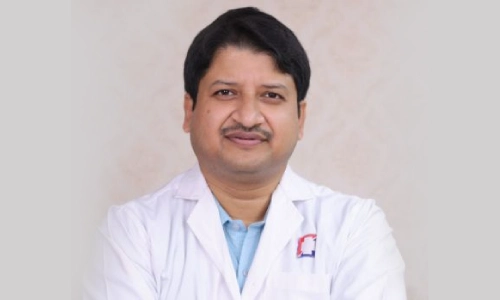
DR. SOMAK DAS
Qualifications: MBBS, MS(GEN.SURG.) DNB(GASTRO.SURG), MCH
Specialty: GASTRO SURGEON
Fees: Rs. 1,200.00
Available Days: MON, WED & FRI
Available Time: BY APPOINTMENT

DR. SUKANTA ROY
Qualifications: MBBS, MS(GASTO)
Specialty: GASTRO SURGEON
Fees: Rs. 1,000.00
Available Days: BY APPOINTMENT
Available Time: BY APPOINTMENT

DR. UDDIPTA DUTTA
Specialty: GASTRO SURGEON
Fees: Rs. 900.00
Available Days: BY APPOINTMENT
Available Time: BY APPOINTMENT
Hear From Our Happy Patients
Very good nursing home.all staff best
I had Laproscopic surgery of gallbladder stone on 23/6/26 & Discharge on 25/6/26. I had wonderful experience in nursing home, Very cooperative staff. Particularly Ms Aditi (Head Sister charge) , she has cooperated very well with Smily face. OT is well equipped with high quality instruments, Dr Mukesh Karia has done wonderful operations.
Very good nursing home
Very Supportive Staff with 24*7 support. Along with Neat and Clean cloths and bed.
Great treatment and recuperation. Doctors nurses and support staff mase it feel like home .
Thakuuuu Samaritan nursing home........and Dr.babuuuu khubbbb valooooo..apnader sakoler babohar khub valo r porisheba khubbb khubbb valo sakol k. Ank ank ank dhannobad ......
Very good nursing home
Very good Treatment here and also staff behaviour has very good
I have admitted my father here twice under Dr Arindam Dutta sir for the DJ stenting and RIRS (Kidney stone) .The entire team of Samaritan was fantastic.Specially Ms Aditi Nandi was so humble and cooperative .She attended us every time and Given all facilities.Through out the admitting time and discharge,all the sisters,brothers,Housekeeping ,ward boy everyone was so polite and well mannered.
Our Diagnostic & Interventional Procedures
Endoscopy
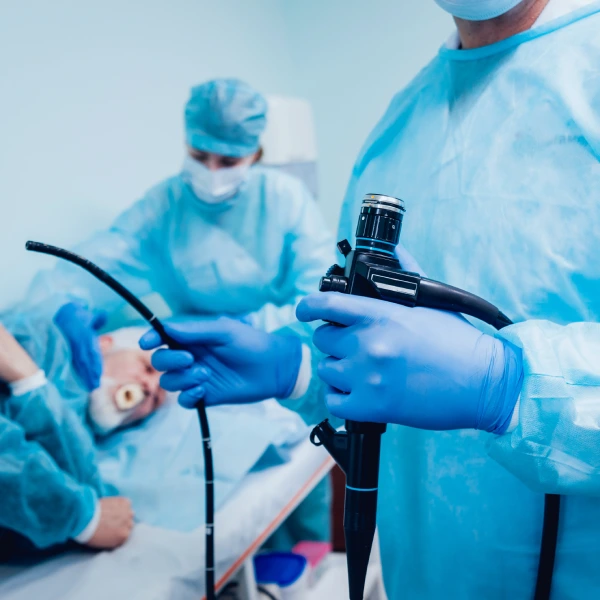
Upper GI endoscopy is used to directly visualise the oesophagus, stomach, and duodenum for the diagnosis of ulcers, inflammation, bleeding, and malignancy. It also allows immediate therapeutic intervention during the same procedure.
Our Treatment Approach Includes:
- Direct visual diagnosis of upper GI conditions
- Biopsy for histological confirmation
- Endoscopic control of bleeding
- Therapeutic intervention without surgery
Colonoscopy
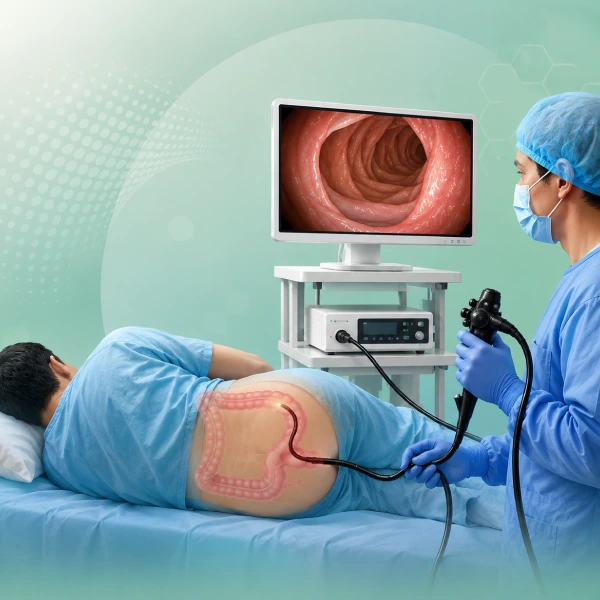
Colonoscopy evaluates the colon and rectum for polyps, inflammation, bleeding, and cancer. It plays a critical role in the early detection and prevention of colorectal disease.
Our Treatment Approach Includes:
- Detection and removal of precancerous polyps
- Biopsy of abnormal tissue
- Assessment of chronic bowel diseases
- Identification of bleeding sources
Liver Biopsy
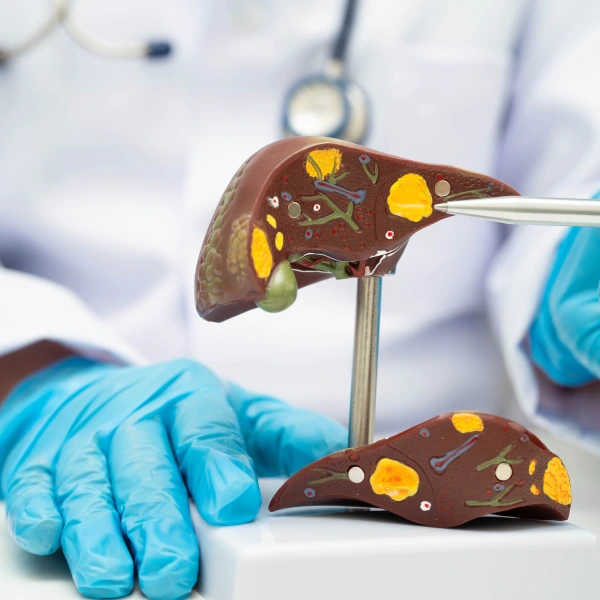
A liver biopsy provides a definitive diagnosis of liver disease by analysing tissue under a microscope. It is essential when imaging and blood tests are inconclusive.
Our Treatment Approach Includes:
- Accurate staging of liver disease
- Detection of fibrosis and inflammation
- Diagnosis of fatty liver and malignancy
- Guidance for treatment decisions
ERCP
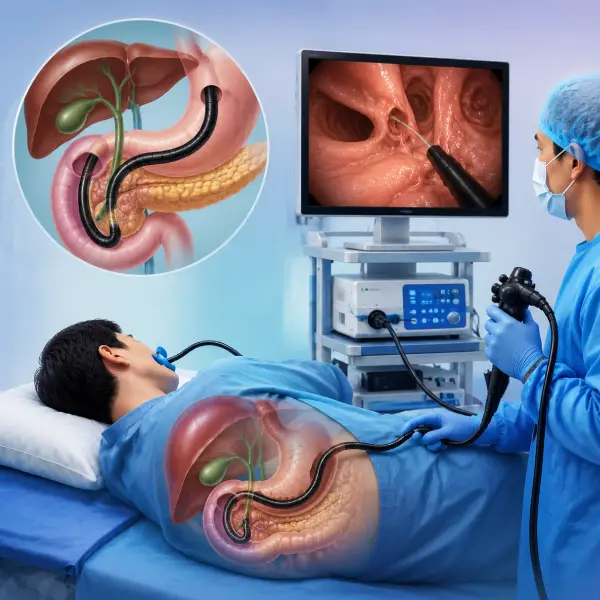
ERCP is a specialised procedure used to diagnose and treat disorders of the bile ducts and pancreatic ducts, particularly obstruction or stones. It combines endoscopy with imaging for precision treatment.
Our Treatment Approach Includes:
- Removal of bile duct stones
- Relief of ductal obstruction via stenting
- Treatment of strictures and leaks
- Avoidance of open surgical intervention
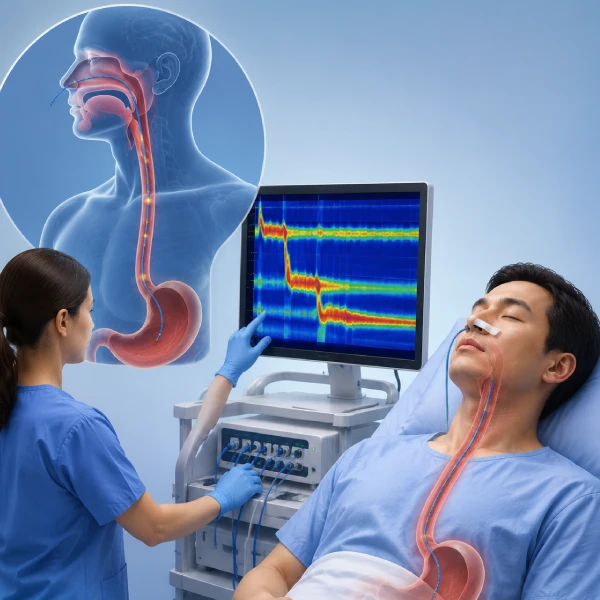
Manometry
Manometry evaluates pressure and muscle coordination in the oesophagus or the anorectal region. It is used in patients with swallowing difficulty or motility disorders.
Our Treatment Approach Includes:
- Precise assessment of motility disorders
- Diagnosis of conditions like achalasia
- Functional evaluation before surgery
- Targeted treatment planning
Our Minimally Invasive Treatments
Haemorrhoid Banding
Haemorrhoid banding is a non-surgical procedure used to treat internal haemorrhoids by cutting off their blood supply. It leads to shrinkage and resolution of symptoms such as bleeding and prolapse.
Our Treatment Approach Includes:
- Quick outpatient treatment
- No surgical incision or hospital stay
- Effective control of bleeding
- Minimal discomfort and fast recovery
Faecal Transplant
Faecal microbiota transplantation (FMT) restores healthy gut bacteria by transferring processed donor stool into the intestine. It is primarily used in recurrent gut infections and microbiome imbalance.
Our Treatment Approach Includes:
- Restoration of gut microbial balance
- High success in recurrent infections
- Improved digestive function
- Reduced recurrence risk
Frequently Asked Questions
Find answers to common questions to help you better understand the condition and general concerns.
Frequent acidity and burning in the chest — is it a concern?
Repeated episodes of acidity or chest burning, especially after meals or at night, require evaluation. Persistent symptoms may indicate reflux disease and need structured treatment to prevent complications.
Blood in stool — does it always mean piles?
Not always. While piles are a common cause, blood in stool may also indicate intestinal infection, inflammation, or other conditions. Proper investigation is required to identify the cause.
Yellowing of eyes or skin — what does it indicate?
This usually points to a liver-related issue. Blood tests and further evaluation are required to determine the cause and begin appropriate treatment.
Pain in the upper abdomen after eating — what needs to be checked?
Such pain may be linked to the pancreas, gallbladder, or upper digestive tract. Clinical assessment and imaging help identify the underlying condition.
Difficulty swallowing food — when is testing required?
If swallowing difficulty is persistent or worsening, diagnostic tests like endoscopy or manometry are required to evaluate structural or motility-related disorders.