

Cancer Surgery in Kolkata
Home / Treatments / Oncology / Cancer surgery
Quick Answers
Does needing surgery mean cancer is terminal?
Yes. Frequently performed with curative intent, removing early-stage or localised disease entirely.
Is minimally invasive surgery less effective than open surgery?
No. Small-cut laparoscopic or robotic operations match traditional approaches for many localised cancers.
Does cancer surgery permanently weaken your immune system?
No. Removing the tumour lowers disease burden and supports immune-system recovery.
Can a diagnostic biopsy cause cancer to spread?
No. Tissue sampling is safe, necessary for accurate diagnosis, and does not promote spread.
What Is Cancer Surgery?
A medical procedure used to diagnose, stage, treat, or prevent cancer by physically removing tumours or affected tissue
Key points:
- Primary treatment for solid tumours
- Removes localised cancer cells physically
- Most effective when caught early
- Aims for clean tissue margins
Types of Cancer
Carcinoma
Begins in skin or organ-lining tissues, including breast, lung, colon, and prostate.
Sarcoma
Begins in connective tissues, including bones, muscles, fat, cartilage, and blood vessels.
Leukemia
Begins in blood-forming tissues, causing rapid production of abnormal white blood cells.
Lymphoma and Myeloma
Affect immune cells, including lymphocytes and antibody-producing plasma cells.
Central Nervous System Cancers
Begin in tissues of the brain and spinal cord.
Symptoms of Cancer
Common Symptoms
- Losing 10 pounds without trying
- Tiredness that does not improve with rest
- New masses under the skin
- New or changing moles
- Sores that do not heal
- Cough lasting several weeks
- Persistent hoarseness or voice changes
Red Flags Requiring Medical Evaluation
- Coughing up blood
- Blood in stool or urine
- Unexpected vaginal bleeding
- Long-term diarrhoea or constipation
- Pain during urination
- Ongoing discomfort while swallowing
- Pain when eating or swallowing
- New or worsening unexplained pain
- Recurrent unexplained high temperatures
- Heavy sweating during sleep
Why Choose Samaritan Medical Surgical & Critical Care?
At Samaritan Medical Surgical & Critical Care, we provide comprehensive healthcare solutions as per your needs. With a team of expert professionals, we focus on delivering compassionate, patient-centred care for optimal well-being.

NABH Certified
Accredited by NABH, ensuring the highest standards of healthcare quality and patient safety.

Surgical Excellence
Our skilled surgeons offer precision care for a wide range of surgical procedures.

Critical Care Support
Providing round-the-clock critical care with advanced equipment and expert medical teams.
Our Doctors
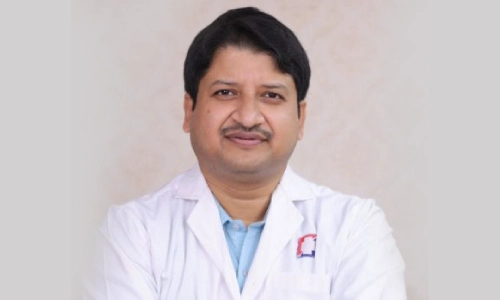
DR. SOMAK DAS
Qualifications: MBBS, MS(GEN.SURG.) DNB(GASTRO.SURG), MCH
Specialty: GASTRO SURGEON
Fees: Rs. 1,200.00
Available Days: MON, WED & FRI
Available Time: BY APPOINTMENT

DR. D. K. SARKAR
Qualifications: MBBSMS, DNB FRCS, (GOLD), FFSTED
Specialty: GENERAL SURGEON
Fees: Rs. 1,550.00
Available Days: MON, WED,THU & SAT
Available Time: MON WED,THU-16:00 & SAT-15:00

DR. RUDRADEEP BANERJEE
Qualifications: MS.(GEN.SURG), D.N. BMRCS
Specialty: GENERAL SURGEON
Fees: Rs. 1,000.00
Available Days: BY APPOINTMENT
Available Time: BY APPOINTMENT
DR. RANAJOY DUTTA
Qualifications: MBBS, M.S D.N.B
Specialty: GENERAL SURGEON
Fees: Rs. 1,200.00
Available Days: WED, SAT
Available Time: 17:00 - 18:00 PM
DR. ACHINTA KR DAS
Qualifications: MBBS, MS
Specialty: GENERAL SURGEON
Fees: Rs. 1,200.00
Available Days: BY APPOINTMENT
Available Time:BY APPOINTMENT
DR. SAMRIDDHI PODDAR
Qualifications: MBBS(HONS), MS(SURGERY), WBUHS NRSMCH
Specialty: GENERAL SURGEON
Fees: Rs. 1,000.00
Available Days: TUE & WED
Available Time: TUE 16:30-17:30 & WED 18:00-19:00
DR . B . B . BARAI
Qualifications: MBBS, DNB, PG DGM, CCEBDM
Specialty: GENERAL SURGEON
Fees: Rs. 1,200.00
Available Days: MON /FRIDAY
Available Time: 11:00-13:00
DR. SAPTARSHI KUNDU
Qualifications: MBBS, MS (GEN SUR)
Specialty: GENERAL SURGEON
Fees: Rs. 700.00
Available Days: BY APPOINTMENT
Available Time: BY APPOINTMENT
DR. MAINAK PAL
Qualifications: MBBS, MS, FMAS(GEN.SURG)
Specialty: GENERAL SURGEON
Fees: Rs. 1,000.00
Available Days: MON -FRI
Available Time: 17:00-18:00
DR. SUKANTA ROY
Qualifications: MBBS, MS(GASTO)
Specialty: GASTRO SURGEON
Fees: Rs. 1,000.00
Available Days: BY APPOINTMENT
Available Time: BY APPOINTMENT

DR. UDDIPTA DUTTA
Specialty: GASTRO SURGEON
Fees: Rs. 900.00
Available Days: BY APPOINTMENT
Available Time: BY APPOINTMENT
Hear From Our Happy Patients
Very good nursing home. All staff good.
A really good hospital with good critical and surgical care. Staffs are very cooperative..
Here the service are very good। Very good hospital
very good nursing home
Nurse didi gulo khub bhalo all staff bhalo 100.90% bhalo
Are good nursing hom varehalp pol anepplamkontak stap vare Good
Good experience All facilities is good
Best hospital Very good facility
Doctors, Nursing staff, other staff are very good, everything is good, only few accommodation issue is not adjustable.
Liked the place...staffs...sisters all helpful...and special thanks to my doctor..Doctor Sukanta Ray...he is next to God to me
Liked the place...staffs...sisters all helpful...and special thanks to my doctor..Doctor Sukanta Ray...he is next to God to me
Individuals at Higher Risk for Cancer
| Groups | Outcome |
|---|---|
| Ageing | Accumulated cellular damage and weaker immune responses progressively increase cancer risk. |
| Family history and genetics | Inherited mutations such as BRCA1/BRCA2 contribute to 5–10% of cancers; close relatives may have higher risk. |
| Tobacco and alcohol | Tobacco smoke, secondhand exposure, and alcohol damage cellular DNA, increasing risks across multiple cancer types. |
| Obesity and diet | Excess body weight and diets high in processed foods or red meat promote inflammation and cellular changes linked to cancer. |
| Infections | HPV, hepatitis B/C, HIV, and H. pylori increase susceptibility to cancers including cervical and liver cancer. |
| Environmental and workplace exposures | Prolonged exposure to radon, asbestos, UV radiation, and industrial chemicals increases carcinogenic risk. |
Cancer Patterns, Diagnosis & Treatment Approach
| Pattern | Presentation | Diagnosis | Treatment Approach | Outcome |
|---|---|---|---|---|
| Localised solid tumour | Disease confined to a specific area | Imaging and tissue diagnosis | Surgical removal when appropriate | Depends on type and stage |
| Locally advanced disease | Tumour involves nearby structures or lymph nodes | Imaging, biopsy and staging | Surgery with or without additional therapies | Depends on extent and response |
| Neoadjuvant treatment setting | Tumour may benefit from reduction before surgery | Biopsy and staging assessment | Chemotherapy, radiation or other therapy beforehand | Depends on tumour response |
| Resectable disease | Growth can potentially be removed safely | Imaging and multidisciplinary assessment | Definitive removal with appropriate margins | Depends on pathology and stage |
| Adjuvant treatment setting | Residual microscopic disease may remain after surgery | Surgical pathology and staging | Additional chemotherapy, radiation, targeted or other therapy | Depends on disease characteristics |
| Advanced or metastatic disease | Disease has spread to distant sites | Imaging, biopsy and staging | Systemic therapy, selected procedures or symptom-directed care | Depends on type, spread and response |
| Symptom-producing disease | Tumour causes obstruction, bleeding, pain or pressure | Clinical assessment and imaging | Palliative or supportive procedures when appropriate | Focuses on symptom relief and quality of life |
How Is Cancer Evaluated?
Physical examination
Medical history review
Complete blood count
Tumour marker testing
Urinalysis
X-ray
Ultrasound
CT scan
MRI scan
PET scan
Endoscopy
Tissue biopsy
Histopathological examination
Molecular testing
Biomarker testing
Lymph-node assessment
Cancer staging
What Types of Cancer Surgeries Are Available?
- Tumour removal: Removes the primary tumour.
- Organ-preserving: Preserves healthy organ tissue.
- Lymph-node: Removes nodes for assessment.
- Debulking: Reduces tumour size.
- Metastasectomy: Removes distant tumour deposits.
- Curative: Aims for complete disease removal.
- Diagnostic: Collects tissue for diagnosis.
- Staging: Determines disease extent.
- Palliative: Relieves symptoms and discomfort.
- Preventive: Reduces future cancer risk.
- Reconstructive: Restores function or appearance.
- Open: Uses a larger incision.
- Minimally invasive: Uses smaller incisions.
- Laparoscopic: Uses abdominal keyhole techniques.
- Thoracoscopic: Uses chest keyhole techniques.
- Robotic-assisted: Uses computer-guided instruments.
- Specialised methods: Include cryosurgery and lasers.
Cancer Surgery: What to Expect?
Before
- Medical evaluation and required tests
- Review of surgical history
- Finalise the treatment approach
- Provide preoperative preparation instructions
During
- Administer the planned anaesthesia
- Perform the scheduled surgical procedure
- Remove or treat affected tissue
- Monitor vital signs throughout surgery
After
- Monitor recovery after surgery
- Provide pain and wound care
- Assess for early complications
- Review pathology findings when applicable
- Plan follow-up and further treatment
Benefits of Cancer Surgery
- Potentially remove localised cancer
- Confirm cancer type and stage
- Reduce tumour burden
- Relieve cancer-related symptoms
- Prevent cancer in high-risk cases
- Remove visible disease directly
- Reduce pain and scarring
- Shorten hospital recovery
- Reduce blood loss and infection risk
Cancer Surgery Success Rate India-Wide
| Outcome Measure | Reported Range |
|---|---|
| Overall success | 85–97% |
| Early-stage 5-year survival post-op | 65–>90% |
| 30-day post-op mortality | <2–6% |
Recovery After Cancer Surgery
First 24–48 Hours: Early movement and monitoring
First Week: Pain, diet, activity management
Weeks 2–6: Wound healing and fatigue
Months 2+: Strength and stamina return
Complications If Cancer Is Left Untreated
- Tumour growth and local tissue damage
- Airway, digestive, or blood vessel obstruction
- Spread to lungs, liver, bones, or brain
- Bone fractures and high calcium levels
- Bone marrow failure
- Severe anaemia, infections, or bleeding
- Severe malnutrition and cancer cachexia
- Progressive organ dysfunction
- Reduced overall survival
Post-Cancer Surgery Daily Management & Prevention Tips
Management
- Take medicines as directed.
- Keep surgical wounds clean
- Walk regularly to prevent clots
- Eat protein-rich nutritious meals
- Take prescribed pain medicines
- Balance activity with rest
Prevention
- Protect skin from excessive ultraviolet exposure.
- Keep recommended vaccinations up to date.
- Avoid tobacco and alcohol
- Maintain a healthy weight
- Attend scheduled follow-up appointments
- Report warning symptoms promptly
Frequently Asked Questions
Does surgery cause cancer to spread?
No. Properly performed procedures do not typically trigger dissemination. Surgeons follow techniques designed to minimise cell displacement, while pathology and follow-up help assess any existing spread.
Can patients live normally after surgery?
Yes. Many people gradually resume work, exercise, social activities, and everyday routines. Recovery varies with the procedure, disease stage, additional treatment, and individual healing.
Does cancer surgery always alter appearance?
No. Many procedures preserve surrounding structures and function. Depending on the tumour and location, minimally invasive approaches or reconstructive techniques may further limit visible changes.
Can surgical trauma cause new cancers?
No. Physical injury does not generally create malignancy. Cancer develops through genetic and cellular changes, usually accumulating over time because of multiple biological and environmental factors.
Can older patients undergo cancer surgery?
Yes. Eligibility depends more on overall health, physical function, other medical conditions, and anaesthetic risk than chronological age alone. Care is tailored to each person's circumstances.