

TMJ Treatment in Kolkata
Home / Treatments / Maxillofacial Surgery / TMJ disorders
Quick Answers
Can TMJ disorders be treated?
Yes. Medicines, physiotherapy, appliances, injections, or selected procedures may provide relief.
Is jaw clicking always serious?
No. Painless sounds are usually harmless, while painful symptoms require professional assessment.
Can TMJ disorders resolve themselves?
Yes. Mild symptoms often improve with rest, softer foods, and conservative measures.
When to see a specialist?
Persistent discomfort, locking, restricted movement, or changes in your bite warrant professional evaluation.
What Are TMJ Disorders?
Temporomandibular disorders (TMDs) affect the jaw joint and surrounding muscles, causing pain, stiffness, clicking, or difficulty moving the jaw.
Key points:
- India prevalence ranges from 20%–60%
- Pooled prevalence is 35%
- Females show higher prevalence
- Adolescent symptoms exceed 50%
Types of TMJ Disorders
Myofascial Pain Disorders (Muscle Disorders)
Muscle pain affecting jaw movement, often involving the cheeks, neck, shoulders, and temples.
Internal Derangement (Joint Disruption)
The joint disc shifts position, causing clicking, popping, locking, or restricted jaw movement.
Degenerative Joint Disease
Progressive cartilage and bone changes cause pain, stiffness, inflammation, and limited movement.
Symptoms of TMJ Disorders
Common Symptoms
- Jaw or facial pain
- Clicking, popping, or grating sounds
- Jaw stiffness or restricted opening
- Headaches around temples or eyes
- Earache, pressure, or ringing
- Sudden changes in bite
Red Flags (Seek Immediate Medical Care)
- Jaw completely locked open
- Severe facial swelling with fever
- Suspected jaw fracture after trauma
- Severe pain with neurological changes
Why Choose Samaritan Medical Surgical & Critical Care?
At Samaritan Medical Surgical & Critical Care, we provide comprehensive healthcare solutions as per your needs. With a team of expert professionals, we focus on delivering compassionate, patient-centred care for optimal well-being.

NABH Certified
Accredited by NABH, ensuring the highest standards of healthcare quality and patient safety.

Surgical Excellence
Our skilled surgeons offer precision care for a wide range of surgical procedures.

Critical Care Support
Providing round-the-clock critical care with advanced equipment and expert medical teams.
Our Doctors
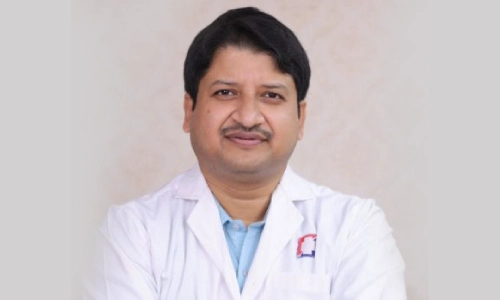
DR. SOMAK DAS
Qualifications: MBBS, MS(GEN.SURG.) DNB(GASTRO.SURG), MCH
Specialty: GASTRO SURGEON
Fees: Rs. 1,200.00
Available Days: MON, WED & FRI
Available Time: BY APPOINTMENT
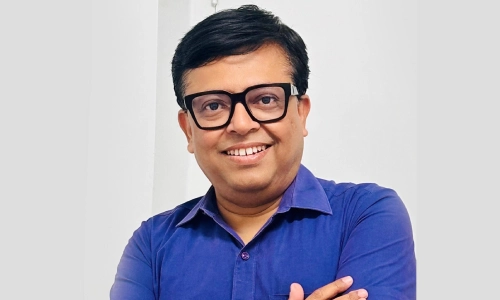
DR. D. K. SARKAR
Qualifications: MBBSMS, DNB FRCS, (GOLD), FFSTED
Specialty: GENERAL SURGEON
Fees: Rs. 1,550.00
Available Days: MON, WED,THU & SAT
Available Time: MON WED,THU-16:00 & SAT-15:00
DR. RUDRADEEP BANERJEE
Qualifications: MS.(GEN.SURG), D.N. BMRCS
Specialty: GENERAL SURGEON
Fees: Rs. 1,000.00
Available Days: BY APPOINTMENT
Available Time: BY APPOINTMENT
DR. RANAJOY DUTTA
Qualifications: MBBS, M.S D.N.B
Specialty: GENERAL SURGEON
Fees: Rs. 1,200.00
Available Days: WED, SAT
Available Time: 17:00 - 18:00 PM
DR. ACHINTA KR DAS
Qualifications: MBBS, MS
Specialty: GENERAL SURGEON
Fees: Rs. 1,200.00
Available Days: BY APPOINTMENT
Available Time:BY APPOINTMENT
DR. SAMRIDDHI PODDAR
Qualifications: MBBS(HONS), MS(SURGERY), WBUHS NRSMCH
Specialty: GENERAL SURGEON
Fees: Rs. 1,000.00
Available Days: TUE & WED
Available Time: TUE 16:30-17:30 & WED 18:00-19:00
DR . B . B . BARAI
Qualifications: MBBS, DNB, PG DGM, CCEBDM
Specialty: GENERAL SURGEON
Fees: Rs. 1,200.00
Available Days: MON /FRIDAY
Available Time: 11:00-13:00
DR. SAPTARSHI KUNDU
Qualifications: MBBS, MS (GEN SUR)
Specialty: GENERAL SURGEON
Fees: Rs. 700.00
Available Days: BY APPOINTMENT
Available Time: BY APPOINTMENT
DR. MAINAK PAL
Qualifications: MBBS, MS, FMAS(GEN.SURG)
Specialty: GENERAL SURGEON
Fees: Rs. 1,000.00
Available Days: MON -FRI
Available Time: 17:00-18:00
DR. SUKANTA ROY
Qualifications: MBBS, MS(GASTO)
Specialty: GASTRO SURGEON
Fees: Rs. 1,000.00
Available Days: BY APPOINTMENT
Available Time: BY APPOINTMENT

DR. UDDIPTA DUTTA
Specialty: GASTRO SURGEON
Fees: Rs. 900.00
Available Days: BY APPOINTMENT
Available Time: BY APPOINTMENT
Hear From Our Happy Patients
Very good nursing home. All staff good.
A really good hospital with good critical and surgical care. Staffs are very cooperative..
Here the service are very good। Very good hospital
very good nursing home
Nurse didi gulo khub bhalo all staff bhalo 100.90% bhalo
Are good nursing hom varehalp pol anepplamkontak stap vare Good
Good experience All facilities is good
Best hospital Very good facility
Doctors, Nursing staff, other staff are very good, everything is good, only few accommodation issue is not adjustable.
Liked the place...staffs...sisters all helpful...and special thanks to my doctor..Doctor Sukanta Ray...he is next to God to me
Liked the place...staffs...sisters all helpful...and special thanks to my doctor..Doctor Sukanta Ray...he is next to God to me
Individuals at Higher Risk for TMJ Disorders
| Groups | Factors |
|---|---|
| Jaw clenchers | Increased muscle strain |
| Frequent gum chewers | Repetitive jaw loading |
| Bruxism patients | Repeated muscle activity |
| Previous trauma | Joint injury |
| Chronic pain patients | Increased pain sensitivity |
| High-stress individuals | Increased jaw tension |
| Arthritis patients | Joint inflammation |
| Previous jaw problems | Recurrent symptoms |
| Frequent headache patients | Associated TMD symptoms |
| Sleep disorder patients | Possible associated conditions |
Causes of TMJ Disorders
Jaw joint injury
Muscle overuse
Jaw clenching
Teeth grinding
Joint inflammation
Degenerative joint changes
Disc displacement
Jaw dislocation
Genetic influences
Psychological stressors
Chronic pain sensitivity
TMJ Patterns, Diagnosis & Treatment Approach
| Pattern | Condition | Initial Approach | Advanced Care Needed | Expected Outcome |
|---|---|---|---|---|
| Jaw muscle pain | Myalgia | Conservative care | Persistent pain | Reduced pain |
| Painful clicking | Disc displacement | Clinical assessment | Functional limitation | Improved function |
| Restricted opening | Joint or muscle issue | Jaw examination | Persistent restriction | Better movement |
| Joint pain | Arthralgia | Conservative care | Ongoing dysfunction | Pain reduction |
| Degenerative changes | Joint disease (OA) | Imaging (CT/MRI) | Severe dysfunction | Improved function |
| Recurrent locking | Closed-lock disc issue | Specialist referral | Persistent locking | Reduced locking |
| Jaw dislocation | Joint instability | Immediate reduction | Recurrent episodes | Improved stability |
How Are TMJ Disorders Evaluated?
Pain location and duration
Bruxism and injury history
TMJ and muscle tenderness
Jaw movement and opening
CT or CBCT imaging
MRI for disc assessment
Dental X-rays for alignment
TMJ Treatment: What to Expect?
Before Treatment
- Detailed symptom assessment
- Medical history review
- Jaw examination
- Muscle assessment
- Bite evaluation
- Imaging when indicated
- Identify contributing factors
- Discuss treatment options
During Treatment
- Soft-food recommendations
- Heat or cold therapy
- Jaw exercises
- Habit modification
- Pain medicines
- Physical therapy
- Oral appliances
- Arthrocentesis when indicated
- Arthroscopy when indicated
- Surgery for selected cases
After Treatment
- Follow treatment instructions
- Continue recommended exercises
- Avoid excessive jaw loading
- Reduce clenching habits
- Attend follow-up appointments
- Monitor symptom changes
- Report worsening symptoms
Benefits of TMJ Treatment
- Reduces jaw pain
- Improves jaw movement
- Supports easier chewing
- Reduces muscle discomfort
- Addresses joint dysfunction
- Reduces recurrent locking
- Improves daily comfort
- Supports normal jaw function
Success Rates For Treatment in India
| Outcome | Success Rate |
|---|---|
| Splint Therapy – Overall Improvement | 80%–86% |
| Splint Therapy – Complete Relief | 64% |
| Physical Therapy & TENS – Pain Reduction | 55%–75% |
| Arthrocentesis – Symptom Resolution | 70%–80% |
| Injectable PRF – Pain-Free at 6 Months | 78.3% |
| Arthroscopic Surgery – Functional Recovery | 80%–85% |
| Discectomy – Long-Term Satisfaction | 87% |
| Total Joint Replacement – End-Stage Success | 90%–95% |
Recovery After TMJ Treatment
First few days: Symptoms may fluctuate
First weeks: Conservative care continues
Following weeks: Movement may improve
Longer term: Symptoms require monitoring
After procedures: Follow-up guides recovery
Complications if TMJ Disorders Remain Untreated
- Persistent jaw pain
- Restricted jaw movement
- Recurrent jaw locking
- Difficulty chewing
- Chronic muscle pain
- Reduced daily comfort
- Persistent joint dysfunction
- Functional limitations
- Worsening symptom burden
Post-Treatment Daily Management & Prevention Tips
Daily Management Tips
- Wear prescribed bite guards nightly
- Eat soft foods initially
- Reintroduce harder foods gradually
- Apply warm jaw compresses
- Practise gentle jaw stretches
- Attend regular dental follow-ups
Prevention Tips
- Keep teeth slightly apart
- Maintain ears-over-shoulders posture
- Manage stress and clenching
- Avoid gum and nail biting
- Avoid excessive mouth opening
- Support chin during yawning
Frequently Asked Questions
Is painless jaw clicking a TMJ disorder?
Not necessarily. Clicking or popping without pain is common and usually doesn't require treatment. Painful sounds or restricted movement should be assessed.
Can stress cause TMJ problems?
Stress may contribute. TMD development is complex, and psychological and life stressors may influence symptoms alongside biological and environmental factors.
Do braces cause TMJ disorders?
Current evidence does not support this. Research has not established orthodontic treatment or a bad bite as a direct cause of TMDs.
Is surgery always needed for TMD?
Yes. Correcting skeletal discrepancies can improve bite relationships and chewing function when the underlying problem contributes to functional impairment.
Can TMJ disorders affect eating?
Yes. Pain, stiffness and restricted jaw movement can make chewing difficult and may interfere with normal eating.
Can TMJ disorders cause headaches?
Yes. Headaches can occur in association with painful TMDs and are recognised within TMD classification.