

Eardrum Hole Operation in Kolkata
Home / Treatments / ENT/ Ear infection & eardrum
Quick Answers
Does a Hole in the Eardrum Always Need Surgery?
No. Many perforations close naturally, while persistent openings, infections, or hearing difficulties may require repair.
What Is an Eardrum Hole Operation Called?
Common procedures include myringoplasty and tympanoplasty, depending on damage and repair requirements.
Can an Ear Infection Cause a Hole in the Eardrum?
Yes. Middle-ear infections can increase pressure, causing rupture or persistent perforation.
Can Hearing Improve After Eardrum Repair?
Yes. Hearing may improve when damage is limited, though outcomes depend on middle-ear condition.
What Is an Eardrum Hole?
A hole or tear in the thin tissue (tympanic membrane) separating the outer ear canal from the middle ear. It can develop after an ear infection, injury, loud noise or sudden pressure change.
Key points:
- Many perforations heal naturally within weeks.
- Recurrent infections may develop over time.
- Hearing can become reduced or muffled.
- Persistent cases may require myringoplasty or tympanoplasty
Symptoms of an Eardrum Hole
Common Symptoms
- Sudden sharp pain that may quickly improve
- Clear, pus-like, or bloody drainage
- Muffled or reduced hearing
- Ringing, buzzing, or humming sounds
- Whistling when blowing your nose
- Mild dizziness or unsteadiness
Red Flags
- Complete or profound hearing loss
- Severe, persistent spinning or imbalance
- Facial weakness or drooping
- High fever with worsening pain
- Heavy bleeding after significant head trauma
- Clear fluid leaking after head injury
Why Choose Samaritan Medical Surgical & Critical Care?
At Samaritan Medical Surgical & Critical Care, we provide comprehensive healthcare solutions as per your needs. With a team of expert professionals, we focus on delivering compassionate, patient-centred care for optimal well-being.

NABH Certified
Accredited by NABH, ensuring the highest standards of healthcare quality and patient safety.

Surgical Excellence
Our skilled surgeons offer precision care for a wide range of surgical procedures.

Critical Care Support
Providing round-the-clock critical care with advanced equipment and expert medical teams.
Our Doctors
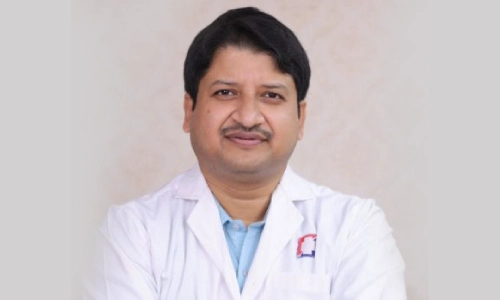
DR. SOMAK DAS
Qualifications: MBBS, MS(GEN.SURG.) DNB(GASTRO.SURG), MCH
Specialty: GASTRO SURGEON
Fees: Rs. 1,200.00
Available Days: MON, WED & FRI
Available Time: BY APPOINTMENT

DR. D. K. SARKAR
Qualifications: MBBSMS, DNB FRCS, (GOLD), FFSTED
Specialty: GENERAL SURGEON
Fees: Rs. 1,550.00
Available Days: MON, WED,THU & SAT
Available Time: MON WED,THU-16:00 & SAT-15:00

DR. RUDRADEEP BANERJEE
Qualifications: MS.(GEN.SURG), D.N. BMRCS
Specialty: GENERAL SURGEON
Fees: Rs. 1,000.00
Available Days: BY APPOINTMENT
Available Time: BY APPOINTMENT
DR. RANAJOY DUTTA
Qualifications: MBBS, M.S D.N.B
Specialty: GENERAL SURGEON
Fees: Rs. 1,200.00
Available Days: WED, SAT
Available Time: 17:00 - 18:00 PM
DR. ACHINTA KR DAS
Qualifications: MBBS, MS
Specialty: GENERAL SURGEON
Fees: Rs. 1,200.00
Available Days: BY APPOINTMENT
Available Time:BY APPOINTMENT
DR. SAMRIDDHI PODDAR
Qualifications: MBBS(HONS), MS(SURGERY), WBUHS NRSMCH
Specialty: GENERAL SURGEON
Fees: Rs. 1,000.00
Available Days: TUE & WED
Available Time: TUE 16:30-17:30 & WED 18:00-19:00
DR . B . B . BARAI
Qualifications: MBBS, DNB, PG DGM, CCEBDM
Specialty: GENERAL SURGEON
Fees: Rs. 1,200.00
Available Days: MON /FRIDAY
Available Time: 11:00-13:00
DR. SAPTARSHI KUNDU
Qualifications: MBBS, MS (GEN SUR)
Specialty: GENERAL SURGEON
Fees: Rs. 700.00
Available Days: BY APPOINTMENT
Available Time: BY APPOINTMENT
DR. MAINAK PAL
Qualifications: MBBS, MS, FMAS(GEN.SURG)
Specialty: GENERAL SURGEON
Fees: Rs. 1,000.00
Available Days: MON -FRI
Available Time: 17:00-18:00
DR. SUKANTA ROY
Qualifications: MBBS, MS(GASTO)
Specialty: GASTRO SURGEON
Fees: Rs. 1,000.00
Available Days: BY APPOINTMENT
Available Time: BY APPOINTMENT

DR. UDDIPTA DUTTA
Specialty: GASTRO SURGEON
Fees: Rs. 900.00
Available Days: BY APPOINTMENT
Available Time: BY APPOINTMENT
Hear From Our Happy Patients
Very good nursing home. All staff good.
A really good hospital with good critical and surgical care. Staffs are very cooperative..
Here the service are very good। Very good hospital
very good nursing home
Nurse didi gulo khub bhalo all staff bhalo 100.90% bhalo
Are good nursing hom varehalp pol anepplamkontak stap vare Good
Good experience All facilities is good
Best hospital Very good facility
Doctors, Nursing staff, other staff are very good, everything is good, only few accommodation issue is not adjustable.
Liked the place...staffs...sisters all helpful...and special thanks to my doctor..Doctor Sukanta Ray...he is next to God to me
Liked the place...staffs...sisters all helpful...and special thanks to my doctor..Doctor Sukanta Ray...he is next to God to me
Individuals at Higher Risk for Persistent Eardrum Problems
| Groups | Factors |
|---|---|
| With recurrent ear infections | Repeated inflammation and pressure |
| Experiencing chronic ear discharge | Persistent middle-ear disease |
| Having an eardrum perforation | Delayed or incomplete healing |
| History of previous ear trauma | Structural damage to the eardrum |
| Exposure to loud noise | Risk of eardrum injury |
| Frequently exposed to water | Increased infection risk with an open perforation |
| Having repeated pressure changes | Flying or diving-related ear stress |
| Nasal or Eustachian tube problems | Poor middle-ear ventilation |
| History of previous ear surgery | Possible structural changes |
| Persistent hearing loss | Possible eardrum or middle-ear damage |
Causes of an Eardrum Hole
Middle-ear infections: Fluid pressure can rupture membranes.
Ear trauma: Direct blows can cause tears.
Objects inserted: Cotton buds may puncture membranes.
Loud sounds: Sudden noise can damage membranes.
Pressure changes: Flying or diving can injure the eardrum.
Chronic ear disease: Persistent inflammation delays healing.
Previous ear procedures: Procedures may damage membranes.
Eardrum Conditions, Diagnosis & Treatment Approach
| Pattern | Condition | Initial Approach | When Is Surgery Needed? | Expected Outcome |
|---|---|---|---|---|
| Recent perforation | Small eardrum hole | Observation and ear protection | If it fails to heal | Natural closure in many cases |
| Active infection | Middle-ear infection | Appropriate medical treatment | If disease persists or complications develop | Infection control |
| Persistent perforation | Non-healing eardrum hole | ENT assessment and hearing evaluation | When spontaneous healing does not occur | Eardrum closure |
| Recurrent discharge | Chronic middle-ear disease | Infection control and ENT assessment | If persistent disease requires surgery | Reduced drainage and disease burden |
| Hearing difficulty | Conductive hearing loss | Hearing assessment | If structural damage requires repair | Potential hearing improvement |
| Structural damage | Eardrum/middle-ear damage | Detailed ENT evaluation | Tympanoplasty when appropriate | Repaired ear structures |
How Is an Eardrum Hole Evaluated?
Clinical Examinations
- Symptom history
- Infection history
- Trauma assessment
- Otoscopic ear examination
- Microscopic ear examination
- Tuning fork evaluation
- ENT assessment
Diagnostic Tests
- Audiometry
- Tympanometry
- Ear discharge culture
Eardrum Hole Operation: What to Expect?
Before Surgery
- Pre-operative hearing and ear examination
- Avoid food and drinks beforehand
- Discuss regular medicines beforehand
During Surgery
- General or local anaesthesia with sedation
- Incision through the canal or externally
- Fascia or cartilage graft patches perforation
- Dissolvable packing holds the graft in place
- Procedure takes 30 minutes to 2 hours
After Surgery
- Usually discharged the same day
- Mild pain, dizziness, taste changes
- Keep the ear completely dry
- Avoid forceful nose blowing
- Sneeze with your mouth open
- Several weeks to two months
Benefits of Eardrum Hole Operation
- Closes a persistent eardrum perforation
- Protects the middle ear from contamination
- Reduces persistent ear discharge
- May improve conductive hearing loss
- Helps prevent recurrent middle-ear infections
- Restores the eardrum’s normal structure
- Supports long-term ear health
Success Rates for Eardrum Hole Operation in India
| Outcome | Rate |
|---|---|
| Eardrum graft heals successfully | 85%–95% |
| Adults achieve successful graft healing | 90%–97.5% |
| Children achieve successful graft healing | 80%–92.2% |
| Small eardrum holes heal successfully | >95% |
| Large eardrum holes heal successfully | 75%–89.6% |
| Both ears heal successfully after surgery | 93.75% |
| Surgery after the ear stays dry | 83.3%–90% |
Recovery After Functional Endoscopic Sinus Surgery
First 24–72 hours: Mild pain, fullness, blood-tinged discharge.
Weeks 1–2: Discharge settles; light routine activities resume.
Weeks 3–6: Comfort improves; movement restrictions gradually ease.
Weeks 6–12: Graft stabilises; hearing assessment usually performed.
By 3 months: Eardrum matures; hearing typically stabilises.
Complications if a Persistent Eardrum Hole Is Left Untreated
- Persistent discharge from recurrent infections
- Permanent hearing loss from damage
- Cholesteatoma causing destructive tissue damage
- Dizziness or vertigo from irritation
- Mastoiditis spreading into surrounding bone
- Facial nerve damage causing weakness
Post-Op Daily Management & Prevention Tips
Management Tips
- Keep the ear dry during healing.
- Avoid touching or cleaning the ear.
- Sneeze or cough with your mouth open.
- Blow your nose gently when necessary.
- Take prescribed medicines exactly as directed.
Prevention Tips
- Avoid swimming until the ear heals.
- Postpone flying until medically cleared.
- Avoid heavy lifting during recovery.
- Stop smoking and avoid secondhand smoke.
- Treat colds, allergies, and sinus problems promptly.
Frequently Asked Questions
Can a hole in the eardrum heal by itself?
Yes. Many perforated eardrums heal naturally within several weeks or around two months. Persistent holes may require repair.
Is eardrum hole operation necessary for every perforation?
No. Surgery is generally considered when the perforation does not heal, causes persistent problems or is associated with recurrent infection or hearing loss.
What is the difference between myringoplasty and tympanoplasty?
Myringoplasty repairs the eardrum itself, while tympanoplasty may involve eardrum repair along with treatment of associated middle-ear problems.
Can an ear infection cause permanent hearing loss?
It can in some cases, particularly when infection or chronic ear disease damages the eardrum or middle-ear structures. Persistent hearing loss needs ENT evaluation.
Can I swim with a perforated eardrum?
It is generally advised to avoid swimming and keep the ear dry until the eardrum has healed or your ENT specialist says it is safe.
Does eardrum surgery leave a visible scar?
It depends on the surgical approach. Some tympanoplasty techniques access the eardrum through the ear canal, while others may require an incision behind or around the ear.