
Trusted Gynecological Care and Treatments in Kolkata
Home / Treatments / Gynecology
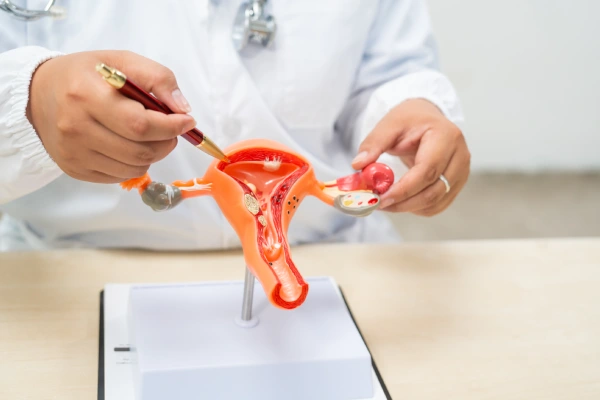
Women’s health concerns need timely diagnosis and compassionate care. At Samaritan Medical Surgical & Critical Care, Kolkata, gynaecology treatment supports every stage of reproductive health with personalised attention.
From preventive check-ups and pregnancy care to PCOS, fibroids, and infection management, services are backed by advanced diagnostics and minimally invasive techniques. With multidisciplinary expertise and patient-focused planning, the emphasis remains on accurate treatment, safety, and long-term reproductive well-being.
Preventive and Routine Gynaecology Care
Routine Check-ups
Routine gynaecological check-ups focus on early detection, preventive screening, and continuous reproductive health monitoring. Evaluation includes pelvic examination, cervical screening (Pap smear), breast assessment, and menstrual health review. These visits help identify infections, precancerous changes, and hormonal imbalances at an early stage. Regular follow-ups support contraception planning, fertility assessment, and timely intervention for underlying gynaecological conditions.
Our Treatment Approach Includes:
- Pelvic examination and cervical cancer screening (Pap smear)
- Clinical breast examination and lump evaluation
- Menstrual and hormonal health assessment
- Preventive screening for infections and abnormalities
Prenatal/Postnatal Care
Prenatal and postnatal care ensure safe pregnancy progression, optimal fetal development, and structured maternal recovery. Antenatal care includes ultrasound monitoring, blood investigations, and screening for high-risk conditions such as gestational diabetes and hypertension. Postnatal care focuses on physical recovery, lactation support, and mental well-being. Continuous supervision helps reduce complications and supports both maternal and newborn health outcomes.
Our Treatment Approach Includes:
- Antenatal monitoring and fetal growth tracking
- Screening and management of high-risk pregnancy conditions
- Postpartum recovery, wound care, and physical rehabilitation
- Breastfeeding support and postnatal mental health care
Hormonal and Lifecycle-Related Conditions

PCOS
Polycystic Ovary Syndrome (PCOS) is a metabolic and endocrine disorder characterised by ovulatory dysfunction, hyperandrogenism, and polycystic ovarian morphology. It presents with irregular menstruation, acne, weight gain, and insulin resistance. Management focuses on lifestyle modification, metabolic regulation, and hormonal therapy. Early intervention reduces risks of infertility, type 2 diabetes, and long-term cardiovascular complications.
Our Treatment Approach Includes:
- Hormonal therapy to regulate menstrual cycles and ovulation
- Insulin resistance management and metabolic correction
- Structured weight management and lifestyle modification
- Fertility-focused treatment, including ovulation induction

Menopause
Menopause is defined by the permanent cessation of menstruation due to declining ovarian function. It is associated with vasomotor symptoms, sleep disturbances, urogenital atrophy, and reduced bone density. Management includes lifestyle measures, hormone replacement therapy when indicated, and preventive care for osteoporosis and cardiovascular disease. Regular monitoring supports symptom control and long-term health stability.
Our Treatment Approach Includes:
- Management of hot flashes and vasomotor symptoms
- Bone density preservation and osteoporosis prevention
- Hormonal and non-hormonal therapy options
- Sleep, mood, and lifestyle management strategies

Why Choose Samaritan Medical Surgical & Critical Care?
At Samaritan Medical Surgical & Critical Care, we provide comprehensive healthcare solutions as per your needs. With a team of expert professionals, we focus on delivering compassionate, patient-centred care for optimal well-being.

NABH Certified
Accredited by NABH, ensuring the highest standards of healthcare quality and patient safety.

Surgical Excellence
Our skilled surgeons offer precision care for a wide range of surgical procedures.

Critical Care Support
Providing round-the-clock critical care with advanced equipment and expert medical teams.
Common Gynaecological Disorders
PID
Pelvic Inflammatory Disease (PID) is an upper genital tract infection involving the uterus, fallopian tubes, and ovaries, commonly caused by untreated sexually transmitted infections. It presents with pelvic pain, abnormal discharge, and fever. Without timely treatment, it can lead to tubal damage, infertility, and chronic pelvic pain. Early antibiotic therapy is essential for preventing complications.
Our Treatment Approach Includes:
- Targeted antibiotic therapy for infection control
- Management of pelvic pain and inflammation
- Prevention of tubal damage and fertility complications
- Follow-up care to ensure complete resolution
Fibroids
Uterine fibroids (leiomyomas) are benign smooth muscle tumours that vary in size and location within the uterus. They commonly cause heavy menstrual bleeding, pelvic pressure, and reproductive issues. Diagnosis is confirmed through imaging, typically an ultrasound. Management depends on symptom severity and fertility goals, ranging from medical therapy to minimally invasive procedures or surgical intervention.
Our Treatment Approach Includes:
- Medical therapy to control heavy bleeding and symptoms
- Monitoring fibroid size and progression
- Minimally invasive procedures (e.g., uterine-sparing techniques)
- Surgical management when indicated (myomectomy/hysterectomy)
Endometriosis
Endometriosis is a chronic inflammatory condition in which endometrial-like tissue is found outside the uterus, leading to adhesions and pain. It commonly presents with dysmenorrhea, chronic pelvic pain, and infertility. Diagnosis may require imaging or laparoscopy. Treatment includes hormonal suppression, analgesics, and surgical management for advanced disease. Early treatment improves symptom control and reproductive outcomes.
Our Treatment Approach Includes:
- Hormonal suppression to control disease progression
- Pain management for chronic pelvic symptoms
- Laparoscopic surgery for severe or resistant cases
- Fertility-focused management strategies
Ovarian Cysts
Ovarian cysts are fluid-filled structures arising within or on the ovary, often functional and self-resolving. Symptomatic cysts may cause pelvic pain, bloating, or menstrual irregularities. Persistent, large, or complex cysts require evaluation with ultrasound and possible surgical management. Regular monitoring helps prevent complications such as ovarian torsion or cyst rupture.
Our Treatment Approach Includes:
- Ultrasound-based monitoring of cyst size and type
- Medical management for symptomatic cysts
- Surgical removal for large or complex cysts
- Prevention and management of complications
Our Doctors
DR. SAHELI KAPAT
Qualifications: MBBS, DNB(OBS & GYNAE)
Specialty: GYNAECOLOGY & OBSTETRICS
Experience: 5 years
Fees: Rs. 1,200.00
Available Days: WED & SAT
Available Time: 18.00-19.00

DR. DIPANKAR BHATTACHARYA
Qualifications: MBBS, DGO, MD, MRCOG (UK)
Specialty: GYNAECOLOGY & OBSTETRICS
Experience: 18 years
Fees: Rs. 1,200.00
Available Days: TUE, THUS, SAT
Available Time: 16:30 - 17:15

DR. RITU DAS
Specialty: GYNAECOLOGY & OBSTETRICS
Fees: Rs. 800.00
Available Days: MON-SAT
Available Time: (BY APPOINTMENT)

DR. SANCHARI DUTTA
Qualifications: MBBS (R.G. Kar), DMRT, MS SSKM (Gynae)
Specialty: GYNAECOLOGY & OBSTETRICS
Experience: 12 years
Fees: Rs. 1,200.00
Available Days: TUESDAY
Available Time: 17:00

DR. S. N. BANERJEE
Qualifications: MBBS (Cal), DGO (Cal), MS (Gynae & Obst.), Assoc. Prof. IPGME&R
Specialty: GYNAECOLOGY & OBSTETRICS
Experience: 33 years
Fees: Rs. 1,200.00
Available Days: TUE
Available Time: 12:30 - 13:30
DR . PRIYANKA MONDAL
Qualifications: MBBS, MS(OBST. & GYNAE) FMAS, MRCOG –(UK)
Specialty: GYNAECOLOGY & OBSTETRICS
Fees: Rs. 800.00
Available Days: TUE
Available Time: 18:00
DR. KAMALIKA DAS
Qualifications: MBBS, M.S, FMAS
Specialty: GYNAECOLOGY & OBSTETRICS
Fees: Rs. 900.00
Available Days: TUE
Available Time: 13:30 - 14:30
DR. SUBHADIP MALLIK
Qualifications: MBBS, DGO, MD
Specialty: GYNAECOLOGY & OBSTETRICS
Fees: Rs. 1,000.00
Available Days: TUES & FRI
Available Time: 18:00 - 19:00
DR. JUHI NEOGI
Qualifications: MBBS, DGO, MD
Specialty: GYNAECOLOGY & OBSTETRICS
Fees: Rs. 1,000.00
Available Days: TUES & SAT
Available Time: 18:00 - 19:00
DR. SRIPRIYA NOPANY
Qualifications: MBBS, MS, DNB, FMAS
Specialty: GYNAECOLOGY & OBSTETRICS
Fees: Rs. 1,000.00
Available Days: TUES & FRI
Available Time: 17:00
DR. SOHINI CHAUDHURY
Qualifications: MBBS, DNB, MNAMS, FMAS
Specialty: GYNAECOLOGY & OBSTETRICS
Fees: Rs. 1,200.00
Available Days: BY APPOINTMENT
Available Time: BY APPOINTMENT
Hear From Our Happy Patients
Very good nursing home.all staff best
I had Laproscopic surgery of gallbladder stone on 23/6/26 & Discharge on 25/6/26. I had wonderful experience in nursing home, Very cooperative staff. Particularly Ms Aditi (Head Sister charge) , she has cooperated very well with Smily face. OT is well equipped with high quality instruments, Dr Mukesh Karia has done wonderful operations.
Very good nursing home
Very Supportive Staff with 24*7 support. Along with Neat and Clean cloths and bed.
Great treatment and recuperation. Doctors nurses and support staff mase it feel like home .
Thakuuuu Samaritan nursing home........and Dr.babuuuu khubbbb valooooo..apnader sakoler babohar khub valo r porisheba khubbb khubbb valo sakol k. Ank ank ank dhannobad ......
Very good nursing home
Very good Treatment here and also staff behaviour has very good
I have admitted my father here twice under Dr Arindam Dutta sir for the DJ stenting and RIRS (Kidney stone) .The entire team of Samaritan was fantastic.Specially Ms Aditi Nandi was so humble and cooperative .She attended us every time and Given all facilities.Through out the admitting time and discharge,all the sisters,brothers,Housekeeping ,ward boy everyone was so polite and well mannered.
Gynaecological Cancers
Cervical Cancer
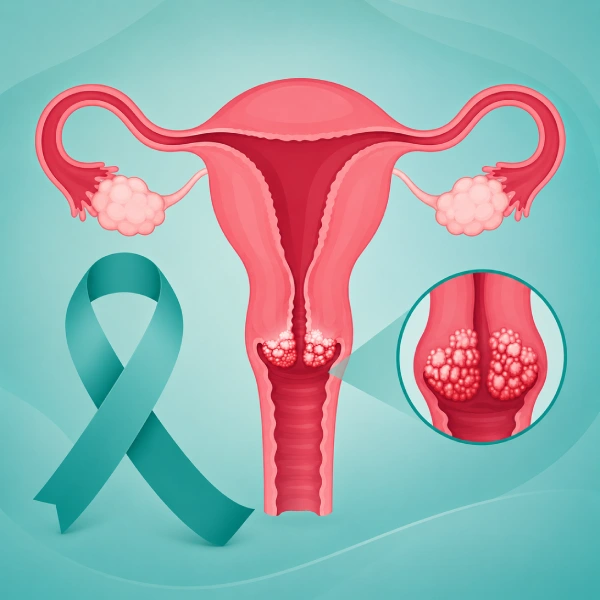
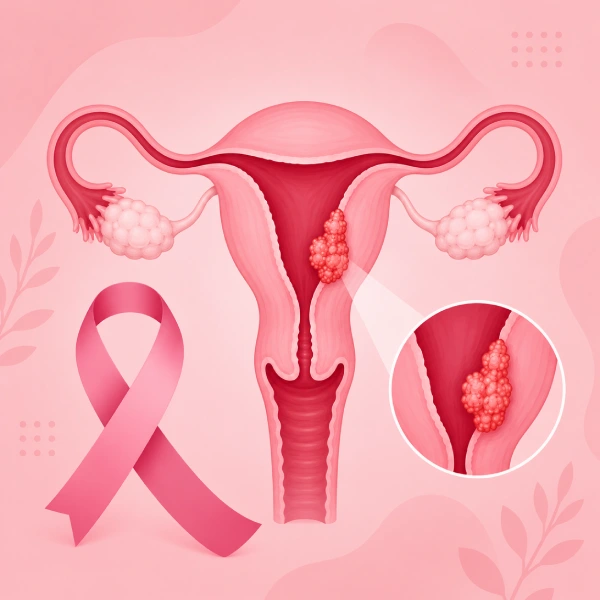
Cervical cancer results from the malignant transformation of cervical epithelial cells, most commonly associated with persistent Human Papillomavirus (HPV) infection. Early stages are often asymptomatic, making routine screening critical. Diagnosis is based on Pap smear, HPV testing, and biopsy. Treatment includes surgery, radiotherapy, and chemotherapy depending on the disease stage.
Our Treatment Approach Includes:
- Cervical screening (Pap smear and HPV testing)
- Diagnostic evaluation and cancer staging
- Surgical management for early-stage disease
- Radiotherapy and chemotherapy for advanced stages
Ovarian Cancer
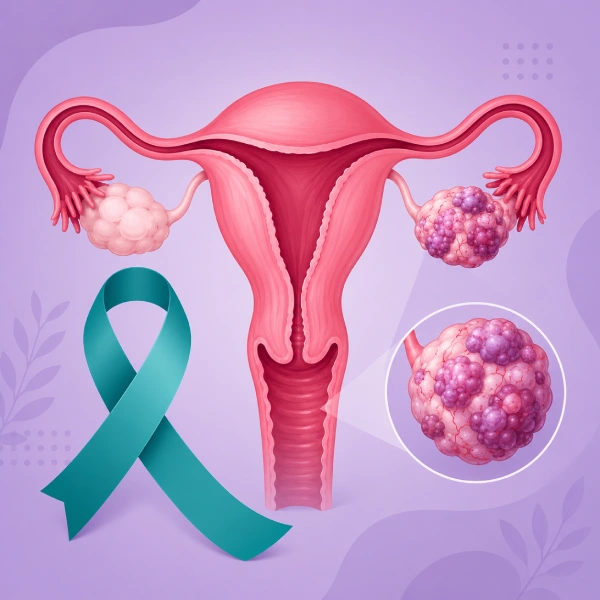
Ovarian cancer is a malignant neoplasm often presenting with non-specific symptoms such as abdominal bloating, early satiety, and pelvic discomfort. It is frequently diagnosed at an advanced stage. Evaluation includes imaging and tumour markers such as CA-125. Management involves surgical staging and chemotherapy. Early symptom recognition is key to improved prognosis.
Our Treatment Approach Includes:
- Diagnostic imaging and tumour marker evaluation
- Surgical staging and tumour debulking
- Chemotherapy-based treatment protocols
- Ongoing monitoring and follow-up care
Uterine Cancer
Uterine cancer, primarily endometrial carcinoma, originates from the lining of the uterus. The most common presenting symptom is abnormal uterine bleeding, particularly after menopause. Risk factors include obesity, prolonged estrogen exposure, and metabolic disorders. Treatment typically involves hysterectomy with or without adjuvant therapy. Early diagnosis offers a high likelihood of cure.
Our Treatment Approach Includes:
- Diagnostic evaluation, including biopsy and imaging
- Surgical management (hysterectomy)
- Adjuvant therapy based on disease stage
- Post-treatment monitoring and follow-up care
Frequently Asked Questions
Find answers to common questions to help you better understand the condition and general concerns.
Can irregular periods affect fertility?
Yes, irregular ovulation can make conception difficult. Hormonal imbalance is a common underlying cause and needs evaluation.
What symptoms suggest a hormonal imbalance in women?
Irregular periods, acne, excess hair growth, weight gain, or mood changes may indicate a hormonal imbalance. These symptoms often require medical assessment.
When should pelvic pain be a concern?
Persistent or severe pelvic pain, especially with fever or abnormal discharge, needs evaluation. It may indicate infection, endometriosis, or other conditions.
Can untreated gynaecological conditions lead to complications?
Yes, untreated issues like PCOS or infections can lead to infertility, metabolic disorders, or chronic pelvic pain. Early treatment reduces long-term risks.
Is it normal to have heavy or prolonged periods?
Heavy or prolonged bleeding is not always normal and should be assessed. It may be linked to hormonal imbalance, fibroids, or other uterine conditions.