
Prostate Disorders Treatment in Kolkata
Home / Treatments / Urology / Prostate Disorders
Quick Answers
Are prostate disorders treatable?
Yes, most conditions can be effectively managed or treated.
Is surgery always required?
No, many cases respond to medication or minimally invasive options.
Is prostate enlargement dangerous?
Not always, but it can worsen without treatment.
Can early symptoms be reversed?
Yes, especially with timely intervention.
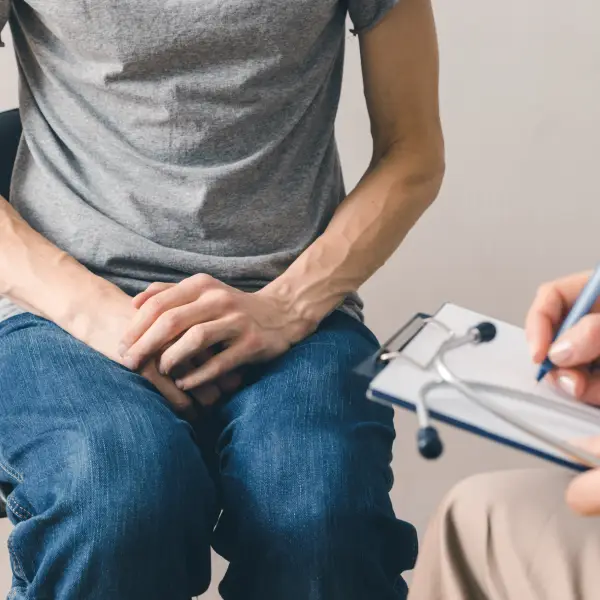
Understanding Prostate Disorders and Treatment Approach
Prostate disorders affect many men as they age, often starting with subtle urinary changes that gradually worsen.
Prostate disorders treatment focuses on early identification, accurate diagnosis, and targeted care—ranging from medication to advanced procedures—depending on the underlying condition.
Early Signs Men Often Ignore
Urinary difficulty in men, especially hesitation while starting urination
Weak or interrupted urine stream
Frequent urination, especially at night
Sudden urgency or inability to hold urine
Feeling of incomplete bladder emptying
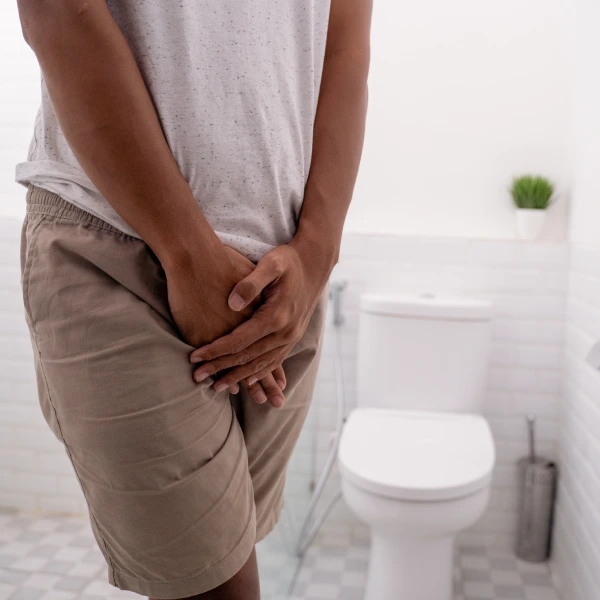
What Prostate-Related Symptoms Usually Indicate
Benign prostatic hyperplasia (BPH)
non-cancerous enlargement of the prostate
Prostatitis
inflammation or infection
Prostate cancer
requires timely evaluation and staging
How We Evaluate Prostate Disorders?
Clinical Examination
A digital rectal examination (DRE) helps assess prostate size and abnormalities.
Lab & Imaging Tests
PSA test for the prostate to detect abnormal levels. Ultrasound or prostate MRI scan for structural evaluation
Advanced Diagnostics
PSMA / prostate biopsy procedures for confirming malignancy

Why Choose Samaritan Medical Surgical & Critical Care?
At Samaritan Medical Surgical & Critical Care, we provide comprehensive healthcare solutions as per your needs. With a team of expert professionals, we focus on delivering compassionate, patient-centred care for optimal well-being.

NABH Certified
Accredited by NABH, ensuring the highest standards of healthcare quality and patient safety.

Surgical Excellence
Our skilled surgeons offer precision care for a wide range of surgical procedures.

Critical Care Support
Providing round-the-clock critical care with advanced equipment and expert medical teams.

Prostate Disorders Treatment Pathways- Medication to Surgery
Medication-Based Management
- BPH and enlarged prostate treatment for early and moderate cases
- Focuses on improving urine flow and reducing symptoms
Advanced Non-Surgical Prostate Procedures
- Advanced minimally invasive prostate procedures, such as laser therapy
- Reduced recovery time and lower complication risk
Surgical Treatment
- Transurethral resection of the prostate (TURP) for significant obstruction
- Recommended when symptoms are severe or unresponsive
Cancer Care
- Structured prostate cancer diagnosis and care
- Includes staging, treatment planning, and follow-up
Specialist-Led Care
- Prostate treatment by a urologist ensures an accurate diagnosis
- Timely, condition-specific intervention
Our Doctors
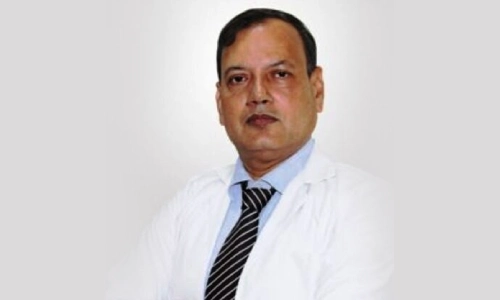
DR. AMLAN CHAKRABORTY
Qualifications: MBBS, MS, FRCS (Urology)
Specialty: Urology
Experience: 23 years
Fees: Rs. 1,700.00
Available Days: TUE,THURS & SAT(BY APPOINTMENT)
Available Time: 12:00 - 13:00 (BY APPOINTMENT)
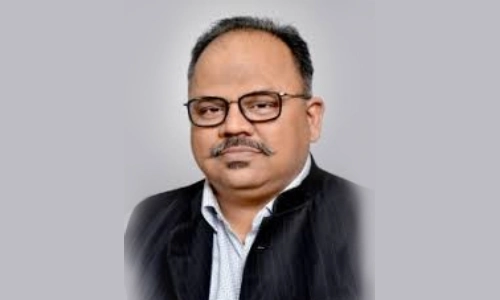
DR. PRAMOD KUMAR SHARMA
Qualifications: MBBS,MS
Specialty: Urology
Experience: 21 years
Fees: Rs. 1,200.00
Available Days: BY APPOINTMENT
Available Time: By Appointment

DR. NILANJAN MITRA
Qualifications: MBBS, MS (Gen. Surg.), MCh (Urology)
Specialty: Urology
Experience: 19 years
Fees: Rs. 1,200.00
Available Days:TUE & THURS
Available Time: 8:30 - 10:30
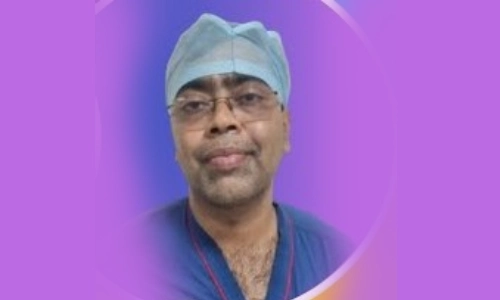
DR. SMARANJIT CHATTERJEE
Qualifications: MBBS, MS, DNB, Mch
Specialty: Urology
Experience: 18 years
Fees: Rs. 1,200.00
Available Days: BY APPOINTMENT
Available Time: BY APPOINTMENT
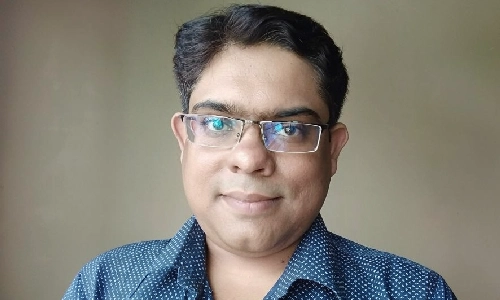
DR. SOUVIK CHATTERJEE
Qualifications: MBBS, MS (Gen. Surg.), DNB, MCh (Urology)
Specialty: Urology
Experience: 16 years
Fees: Rs. 1,000.00
Available Days: WED, SAT
Available Time: WED: 15:00 - 16:00, SAT: 09:30 - 10:30

DR. SUBHOJIT MALAKAR
Qualifications: MBBS, MS (Gen. Surg.), DNB, MCh (Urology)
Specialty: Urology
Experience: 15 years
Fees: Rs. 1,000.00
Available Days: BY APPOINTMENT
Available Time: BY APPOINTMENT
DR. SUNIRMAL CHOWDHURY
Qualifications: MBBS, MS, IPGMER (HOD)
Specialty: Urology
Experience: 20 years
Fees: Rs. 1,200.00
Available Days: BY APPOINTMENT
Available Time: By Appointment
Hear From Our Happy Patients
Very good nursing home.all staff best
I had Laproscopic surgery of gallbladder stone on 23/6/26 & Discharge on 25/6/26. I had wonderful experience in nursing home, Very cooperative staff. Particularly Ms Aditi (Head Sister charge) , she has cooperated very well with Smily face. OT is well equipped with high quality instruments, Dr Mukesh Karia has done wonderful operations.
Very good nursing home
Very Supportive Staff with 24*7 support. Along with Neat and Clean cloths and bed.
Great treatment and recuperation. Doctors nurses and support staff mase it feel like home .
Thakuuuu Samaritan nursing home........and Dr.babuuuu khubbbb valooooo..apnader sakoler babohar khub valo r porisheba khubbb khubbb valo sakol k. Ank ank ank dhannobad ......
Very good nursing home
Very good Treatment here and also staff behaviour has very good
I have admitted my father here twice under Dr Arindam Dutta sir for the DJ stenting and RIRS (Kidney stone) .The entire team of Samaritan was fantastic.Specially Ms Aditi Nandi was so humble and cooperative .She attended us every time and Given all facilities.Through out the admitting time and discharge,all the sisters,brothers,Housekeeping ,ward boy everyone was so polite and well mannered.

Recovery Experience by Treatment Type
Medication-based care
Gradual symptom relief with no downtime
Minimally invasive procedures
Quick recovery, minimal discomfort
Surgical treatments
Structured recovery with long-term symptom resolution
Treatment Decision Guide
| Symptom Pattern | Likely Condition | First-Line Treatment | When to Escalate |
|---|---|---|---|
| Weak urine flow, slow stream | Benign prostatic hyperplasia | Medication/lifestyle | Persistent obstruction |
| Frequent urination, urgency | Overactive bladder / BPH | Bladder control therapy | Poor response to meds |
| Night-time urination | Early prostate enlargement | Medication + monitoring | Sleep disruption persists |
| Blood in urine / severe symptoms | Possible prostate cancer | Immediate evaluation | Confirmed diagnosis |
| Urinary retention | Advanced obstruction | Catheter + intervention | Surgical need |
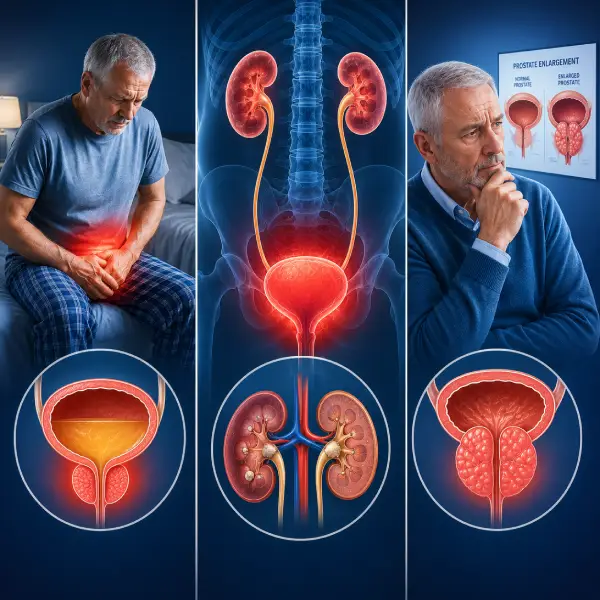
Risks of Delayed Treatment
Urinary retention in men
Bladder and kidney complications
Increased risk of advanced prostate disease
Daily Habits That Affect Prostate Health

Maintain balanced hydration

Limit caffeine and alcohol
Avoid delaying urination

Schedule regular screening after age 40
Frequently Asked Questions
Find answers to common questions to help you better understand the condition and general concerns.
Can frequent urination at night always indicate a prostate problem?
Not always, but persistent nighttime urination is often linked to early prostate enlargement and should be evaluated.
Is weak urine flow a sign of serious prostate disease?
It is commonly due to benign enlargement, but it can also indicate an obstructive cause that requires medical assessment.
Why do prostate symptoms worsen gradually over time?
Most prostate conditions progress slowly, causing increasing pressure on the urinary tract if untreated.
Can prostate problems cause sudden urinary blockage?
Yes, advanced enlargement can lead to acute urinary retention, which requires immediate medical care.
Are prostate symptoms reversible if treated early?
Yes, early-stage conditions often improve significantly with timely treatment.
Do all prostate disorders show noticeable symptoms?
No, some conditions—especially early-stage prostate cancer—may remain asymptomatic initially.
Can long-term urinary symptoms damage the bladder?
Yes, untreated obstruction can weaken bladder function and lead to complications.