
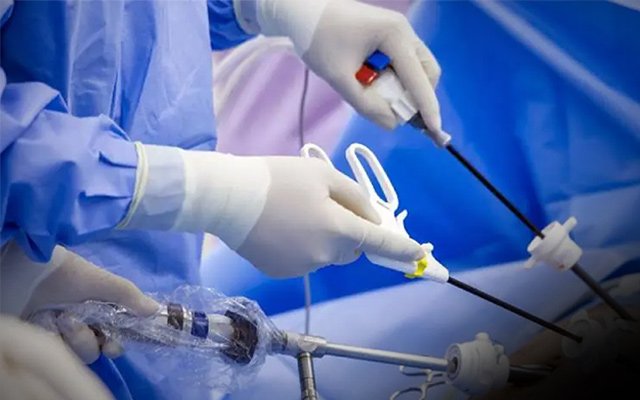
Laparoscopic surgery has changed the way many procedures are performed today—resulting in smaller cuts, faster recovery, and fewer complications.
But before you step into the OT, there are key things you need to understand beyond just “minimally invasive.” From preparation and anaesthesia to risks, recovery timelines, and outcomes, knowing what to expect can make a real difference in your experience and results.
Before knowing about the 10 things, let’s get a brief understanding of what laparoscopic surgery is:
What is Laparoscopic Surgery?
Laparoscopic surgery, or "keyhole surgery," is a minimally invasive technique used to operate in the abdomen or pelvis using small incisions (0.5–1 cm) rather than large cuts.
A camera (laparoscope) provides high-resolution images, allowing for faster recovery, less pain, fewer scars, and shorter hospital stays.
Now, as you know what it is, let’s give you the idea of 10 things you should know about before undergoing surgery:
When Is Laparoscopic Surgery Recommended?
Some common reasons for recommending this procedure include:
- Removal of cysts or fibroids from reproductive organs
- Treatment of endometriosis
- Hysterectomy (removal of the uterus) or myomectomy (removal of fibroids)
- Management of ectopic pregnancy
- Diagnostic laparoscopy to investigate unexplained pelvic pain or infertility
- Removal of the appendix or gallbladder in certain cases
How much time do laparoscopic surgeries usually take?
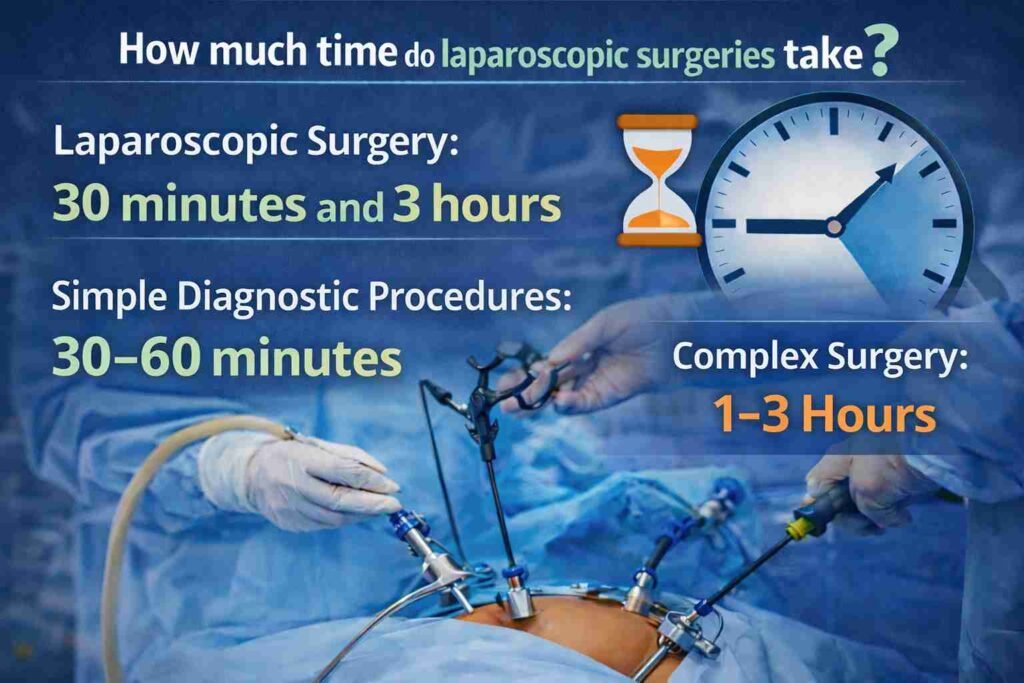
Most patients can go home the same day or the following day, with full recovery time ranging from 2 to 4 weeks.
Trust the experts at Samaritan Hospital in Kolkata for your laparoscopic surgery and experience the benefits of advanced, minimally invasive techniques that promise faster recovery and less pain.
How is the Laparoscopic procedure carried out?
Here is the step- by-step procedure of laparoscopic surgery:
- Anaesthesia
The patient is administered general anaesthesia, ensuring they are fully asleep and pain-free throughout the procedure.
- Access & Inflation
The surgeon makes one or more small incisions, usually near the belly button. Carbon dioxide gas is then introduced to inflate the abdominal cavity, which enhances visibility during the surgery.
- Insertion of Trocar/Laparoscope
A laparoscope, a thin, telescopic instrument equipped with a light and camera, is inserted through the incision. This allows the surgeon to view the internal organs on a high-definition monitor.
- Surgery Execution
Specialised surgical instruments are inserted through additional small incisions (ports) to perform tasks such as tissue removal, biopsy collection, or repair of affected areas.
- Closure
After surgery, the gas is released, the instruments are removed, and the small incisions are closed with stitches or staples.
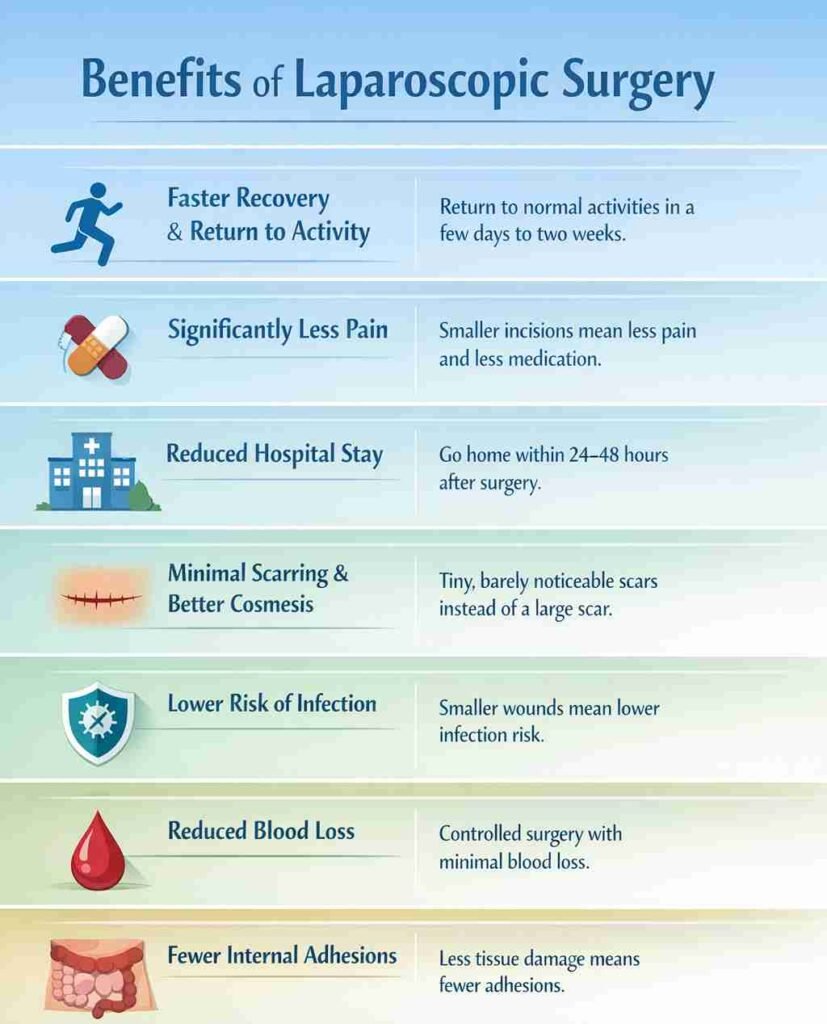
Benefits of Laparoscopic Surgery
Laparoscopic surgery provides faster recovery, minimal scarring, and less post-operative pain. These benefits make it a preferred option for patients seeking a more effective and less invasive treatment.
How Painful Are Laparoscopic Surgeries?
Laparoscopic surgery is less painful than traditional open surgery, with most patients experiencing mild to moderate soreness rather than intense pain. This is due to the smaller incisions and faster recovery time.
While general anaesthesia ensures you won’t feel any pain during the procedure, common post-operative discomforts include soreness at the small incision sites and "referred" pain in the shoulder or back, which can occur from the gas used to inflate the abdomen.
How to Prepare for Laparoscopic Surgery
Preparing for any surgery is crucial to ensure the procedure goes smoothly and recovery is quick.
Here are some steps to help you get prepared before a laparoscopic surgery:
Follow Pre-Surgery Instructions
Your doctor will give you specific instructions on what to do before your surgery. This may include fasting (no eating or drinking) for a certain number of hours before the procedure.
Medication Adjustments
Inform your surgeon about any medications you are taking, including over-the-counter drugs and supplements. You may be asked to stop certain medications, especially blood thinners, to reduce the risk of complications.
Arrange Transportation
Since you’ll be under general anaesthesia, you won’t be able to drive yourself home after surgery.
Wear Comfortable Clothing
On the day of your surgery, wear loose-fitting clothes that will be easy to change out of after the procedure. Avoid wearing jewellery or any accessories.
Prepare for Recovery
Set up a comfortable recovery area at home. Have pillows, blankets, and any other items you may need to rest and recover easily. You may need to avoid certain activities, so it’s best to plan ahead.
Arrange for Post-Surgery Care
If necessary, arrange for someone to help you at home during the first few days of recovery, especially if you need assistance with daily activities like cooking, cleaning, or getting in and out of bed.
Ask Questions
If you have any concerns or questions about the surgery, don’t hesitate to reach out to your healthcare provider. It’s important to understand the process and feel confident in your preparation.
A Step-by-Step Guide to Your Surgery Day
- Arrive at the hospital a few hours before your surgery
- Change into a hospital gown and remove jewellery and contact lenses.
- Meet with your surgeon and anesthesiologist to discuss the procedure.
- Get an IV line inserted for fluids and anaesthesia.
- Undergo the surgery with small incisions using a laparoscope.
- Recover in the recovery room with monitoring and pain relief.
- Leave the hospital the same day or the next, with someone accompanying you.
Possible Risks and Complications
While laparoscopic surgery is considered minimally invasive and generally safe, there are some potential risks and complications to be aware of:
| Risk | Explanation |
| Infection | Rare but possible at incision sites or internally. Proper hygiene and care reduce this risk. |
| Bleeding | Minor bleeding may occur, though excessive bleeding is uncommon and controlled during surgery. |
| Injury to Surrounding Organs | Nearby organs, such as intestines or blood vessels, may be injured, though this is rare and manageable. |
| Blood Clots | Risk of leg clots; early movement and blood thinners help prevent them. |
| Hernia Formation | Small risk of hernia at incision sites, treatable through further surgery if needed. |
| Gas-related Discomfort | Temporary pain in the shoulder or back due to gas used to inflate the abdomen. |
| Anesthesia Risks | Rare allergic reactions or breathing difficulties related to general anaesthesia. |
What to Expect After Surgery
After laparoscopic surgery, recovery is typically faster than traditional open surgery. Here's what you can expect:
- Pain & Discomfort
Mild to moderate pain at incision sites and possible referred pain in the shoulder or back due to the gas used to inflate the abdomen.
- Swelling & Bruising
Swelling around the incision sites is common and should subside within a few days.
- Recovery Time
Most patients can resume light activities in 1–2 weeks, with full recovery taking 2–4 weeks.
- Post-Surgery Care
Follow your doctor's instructions for wound care, managing pain, and avoiding strenuous activities during recovery.
- Diet & Lifestyle
You may be advised to eat light foods initially and stay hydrated. Follow a balanced diet to aid recovery.
When to Contact Your Doctor
While most patients recover smoothly, it's important to reach out to your doctor if you experience any of the following:
- Signs of Infection: Redness, warmth, or discharge from incision sites, or a fever higher than 101°F (38.3°C).
- Severe Pain: Pain that is not relieved by prescribed pain medication or becomes worse over time.
- Excessive Bleeding: If you notice heavy bleeding from the incisions or experience unusual swelling or bruising.
- Shortness of Breath or Chest Pain: These could be signs of complications such as a blood clot.
- Persistent Nausea or Vomiting: If these symptoms last for more than a few days or worsen.
Let’s Recap
By now, you should have a clear understanding of what laparoscopic surgery involves, from the procedure itself to recovery and potential risks. With proper preparation, most patients experience minimal discomfort and a fast recovery. Always consult with your doctor for personalised advice and support.
If you’re considering laparoscopic surgery in Kolkata, choose Samaritan Hospital. They provide proper care and support throughout your surgical journey.
People Also Ask
What precautions should you take before a laparoscopy?
Before a laparoscopy, ensure you fast by not eating, drinking (including water), or smoking after midnight the night before. Additionally, wear loose-fitting clothing on the day of your procedure for comfort. Always follow your doctor’s specific instructions.
How many days of bed rest after a laparoscopy?
Most patients require 1–2 days of bed rest after laparoscopy, but should avoid strenuous activities for 1–2 weeks. While light activity or rest at home is typical for the first 24–72 hours, walking is encouraged soon after surgery to speed recovery. Most can resume desk work within 3–7 days.
How to sleep after laparoscopic surgery?
After laparoscopic surgery, sleep on your back or slightly elevated (30–40 degrees) using pillows for support to avoid abdominal pressure. It's best to avoid sleeping on your stomach or side. Using a recliner and taking prescribed pain relief 1–2 hours before bed can help ensure a comfortable night's sleep.
How long to remove stitches after a laparoscopy?
Stitches after laparoscopy are usually removed or begin to dissolve within 7–14 days, with non-dissolvable sutures typically removed after 5–7 days. Many surgeons use dissolvable stitches, glue, or adhesive strips that don’t need to be removed. Full skin healing usually occurs within 2–3 weeks.