
Laparoscopic Gallbladder Removal Surgery in Kolkata
Quick Answers
Is laparoscopic gallbladder removal safe?
Yes, laparoscopic gallbladder surgery is a widely performed minimally invasive procedure associated with reduced pain, quicker healing, and shorter hospital stay.
Are gallstones always painful?
Not always, but symptomatic gallstones can gradually cause abdominal pain, bloating, nausea, and digestive discomfort after meals.
Can gallbladder problems worsen without treatment?
Yes, delayed treatment may increase the risk of infection, bile duct blockage, pancreatitis, or emergency surgical complications.
Is recovery faster after laparoscopic surgery?
Yes, most patients experience smaller scars, reduced post-operative discomfort, and earlier return to routine activities compared to open surgery.
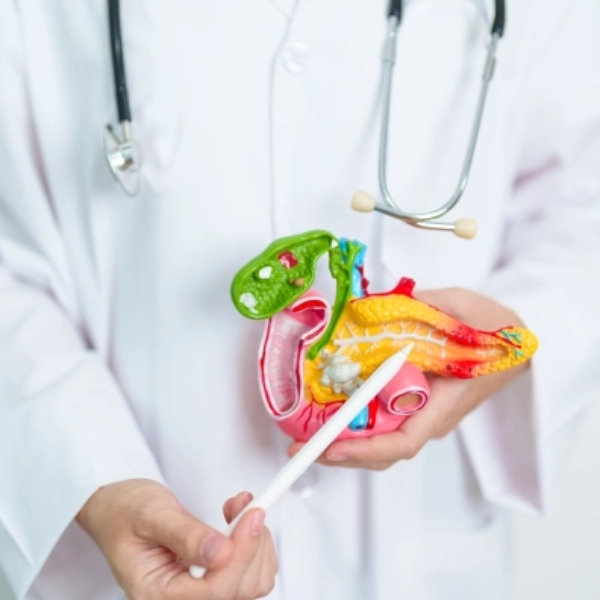
Understanding Gallbladder Disease & Laparoscopic Treatment
The gallbladder helps store bile, which is required for fat digestion. Gallstones may gradually develop when bile hardens into deposits that interfere with normal gallbladder function and digestive flow.
As symptoms become recurrent or complications begin affecting bile movement, laparoscopic gallbladder removal may be recommended to manage the underlying condition and prevent further digestive complications.
Early Gallbladder Symptoms Patients Often Ignore
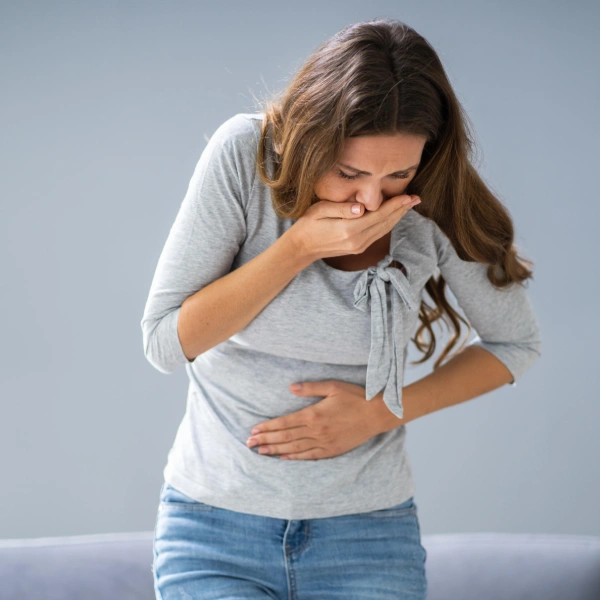
Pain after oily food
Recurrent abdominal discomfort
Bloating and nausea
Digestive irritation after meals
Pain radiating to the shoulder
Vomiting and indigestion
Our Doctors
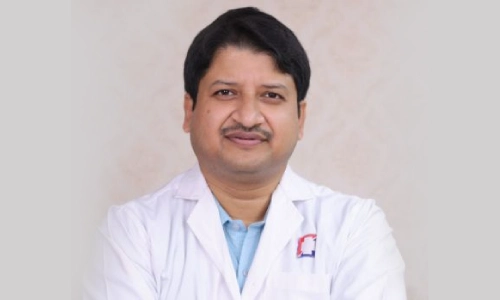
DR. SOMAK DAS
Qualifications: MBBS, MS(GEN.SURG.) DNB(GASTRO.SURG), MCH
Specialty: GASTRO SURGEON
Fees: Rs. 1,200.00
Available Days: MON, WED & FRI
Available Time: BY APPOINTMENT

DR. D. K. SARKAR
Qualifications: MBBSMS, DNB FRCS, (GOLD), FFSTED
Specialty: GENERAL SURGEON
Fees: Rs. 1,550.00
Available Days: MON, WED,THU & SAT
Available Time: MON WED,THU-16:00 & SAT-15:00

DR. RUDRADEEP BANERJEE
Qualifications: MS.(GEN.SURG), D.N. BMRCS
Specialty: GENERAL SURGEON
Fees: Rs. 1,000.00
Available Days: BY APPOINTMENT
Available Time: BY APPOINTMENT
DR. RANAJOY DUTTA
Qualifications: MBBS, M.S D.N.B
Specialty: GENERAL SURGEON
Fees: Rs. 1,200.00
Available Days: WED, SAT
Available Time: 17:00 - 18:00 PM
DR. ACHINTA KR DAS
Qualifications: MBBS, MS
Specialty: GENERAL SURGEON
Fees: Rs. 1,200.00
Available Days: BY APPOINTMENT
Available Time:BY APPOINTMENT
DR. SAMRIDDHI PODDAR
Qualifications: MBBS(HONS), MS(SURGERY), WBUHS NRSMCH
Specialty: GENERAL SURGEON
Fees: Rs. 1,000.00
Available Days: TUE & WED
Available Time: TUE 16:30-17:30 & WED 18:00-19:00
DR . B . B . BARAI
Qualifications: MBBS, DNB, PG DGM, CCEBDM
Specialty: GENERAL SURGEON
Fees: Rs. 1,200.00
Available Days: MON /FRIDAY
Available Time: 11:00-13:00
DR. SAPTARSHI KUNDU
Qualifications: MBBS, MS (GEN SUR)
Specialty: GENERAL SURGEON
Fees: Rs. 700.00
Available Days: BY APPOINTMENT
Available Time: BY APPOINTMENT
DR. MAINAK PAL
Qualifications: MBBS, MS, FMAS(GEN.SURG)
Specialty: GENERAL SURGEON
Fees: Rs. 1,000.00
Available Days: MON -FRI
Available Time: 17:00-18:00
DR. SUKANTA ROY
Qualifications: MBBS, MS(GASTO)
Specialty: GASTRO SURGEON
Fees: Rs. 1,000.00
Available Days: BY APPOINTMENT
Available Time: BY APPOINTMENT

DR. UDDIPTA DUTTA
Specialty: GASTRO SURGEON
Fees: Rs. 900.00
Available Days: BY APPOINTMENT
Available Time: BY APPOINTMENT
Hear From Our Happy Patients
Very good nursing home.all staff best
I had Laproscopic surgery of gallbladder stone on 23/6/26 & Discharge on 25/6/26. I had wonderful experience in nursing home, Very cooperative staff. Particularly Ms Aditi (Head Sister charge) , she has cooperated very well with Smily face. OT is well equipped with high quality instruments, Dr Mukesh Karia has done wonderful operations.
Very good nursing home
Very Supportive Staff with 24*7 support. Along with Neat and Clean cloths and bed.
Great treatment and recuperation. Doctors nurses and support staff mase it feel like home .
Thakuuuu Samaritan nursing home........and Dr.babuuuu khubbbb valooooo..apnader sakoler babohar khub valo r porisheba khubbb khubbb valo sakol k. Ank ank ank dhannobad ......
Very good nursing home
Very good Treatment here and also staff behaviour has very good
I have admitted my father here twice under Dr Arindam Dutta sir for the DJ stenting and RIRS (Kidney stone) .The entire team of Samaritan was fantastic.Specially Ms Aditi Nandi was so humble and cooperative .She attended us every time and Given all facilities.Through out the admitting time and discharge,all the sisters,brothers,Housekeeping ,ward boy everyone was so polite and well mannered.
What Gallbladder Symptoms Usually Indicate
Gallstones
Gallstones are hardened deposits that form in the gallbladder and often cause post-meal abdominal pain, heaviness, and digestive discomfort.
Gallbladder Inflammation
Inflammation of the gallbladder may cause persistent upper abdominal pain accompanied by fever, chills, tenderness, or worsening discomfort due to infection or obstruction.
Bile Duct Blockage
Blocked bile ducts may interfere with normal bile drainage and can lead to jaundice, dark urine, pale stool, vomiting, or severe abdominal pain.
Biliary Colic
Biliary colic refers to sudden episodes of sharp upper abdominal pain that often develop after meals when gallstones temporarily obstruct bile flow.
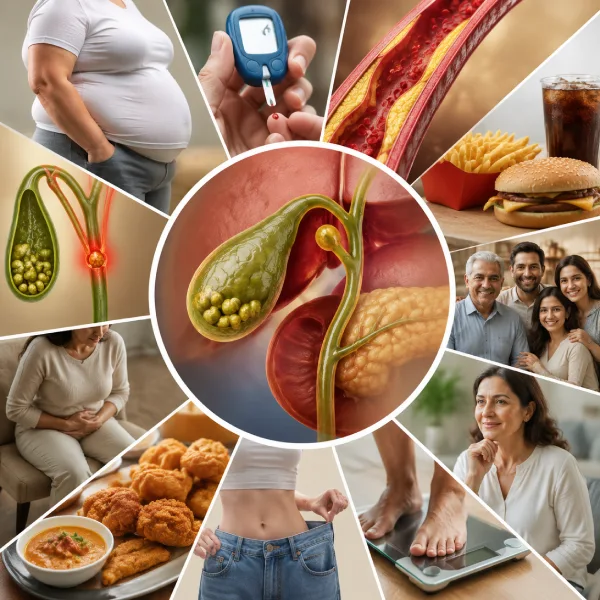
Who Is at Higher Risk of Gallbladder Disease?
Obesity and excess body weight
Diabetes and metabolic disorders
High cholesterol levels
Poor dietary and eating habits
Family history of gallstones
Women above 40 years of age
Rapid weight loss or crash dieting
Frequent oily or high-fat food intake
Long-term digestive health issues
Recurrent biliary or gallstone-related complications
How We Evaluate Gallbladder Disease
Clinical Evaluation
Symptom review and abdominal examination help identify possible gallbladder-related complications and digestive abnormalities.
Ultrasound & Imaging
Gallbladder ultrasound and imaging studies help detect gallstones, inflammation, swelling, and bile duct obstruction.
Advanced Diagnostic Assessment
Additional investigations may be required to evaluate severe inflammation, blocked bile ducts, or associated digestive complications.
Why Choose Samaritan Medical Surgical & Critical Care?
At Samaritan Medical Surgical & Critical Care, we provide comprehensive healthcare solutions as per your needs. With a team of expert professionals, we focus on delivering compassionate, patient-centred care for optimal well-being.

NABH Certified
Accredited by NABH, ensuring the highest standards of healthcare quality and patient safety.

Surgical Excellence
Our skilled surgeons offer precision care for a wide range of surgical procedures.

Critical Care Support
Providing round-the-clock critical care with advanced equipment and expert medical teams.
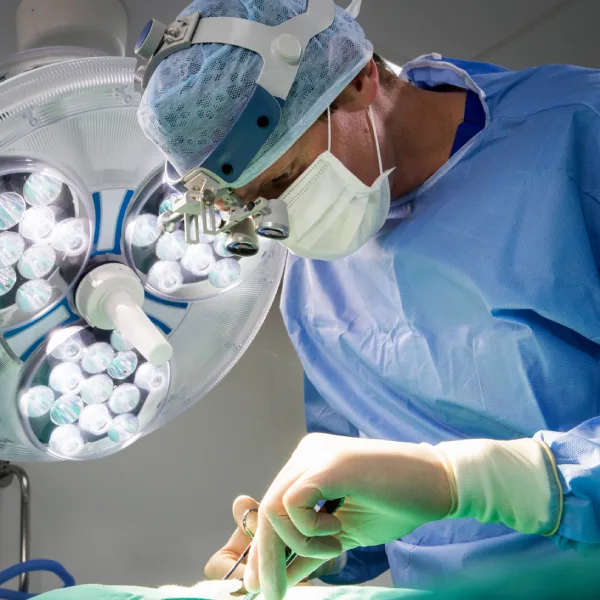
What Happens During Laparoscopic Gallbladder Removal Surgery?
General anaesthesia keeps the patient unconscious
3–4 small ports are created in the abdomen
Carbon dioxide improves surgical visibility
A laparoscopic camera guides the procedure
The cystic duct and artery are clipped
The gallbladder is detached from the liver bed
The gallbladder is removed through a port incision
Dissolvable sutures close the incision sites
Benefits of Laparoscopic Gallbladder Surgery
3–4 small incisions instead of one large abdominal cut
Smaller and less noticeable surgical scars
Faster recovery with reduced post-operative discomfort
Earlier return to daily activities and work
Same-day discharge or hospital stay within 24 hours in many cases
Lower risk of infection and surgical bleeding
Reduced need for post-operative pain medication

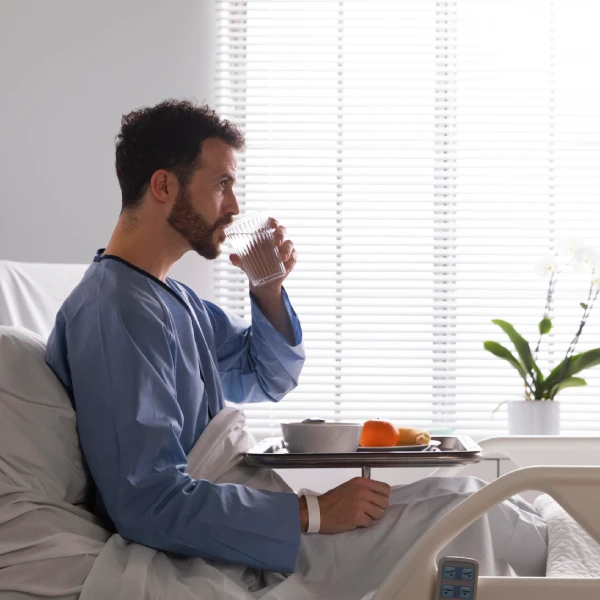
Recovery After Gallbladder Removal Surgery
Faster healing compared to open gallbladder surgery
Early walking and light activity after the procedure
Gradual return to normal food intake
Shorter recovery period in most patients
Temporary digestive changes during early healing
Follow-up monitoring for wound healing and recovery
Recovery guidance based on surgical progress
Long-term improvement in digestive comfort
What Happens If Gallbladder Disease Is Not Treated in Time?
Increased risk of severe gallbladder infection
Repeated episodes of intense abdominal pain
Bile duct blockage that affects digestive flow
Higher risk of pancreatitis and digestive complications
Progression from planned surgery to emergency intervention
Worsening inflammation within the gallbladder region
Frequent hospital visits due to recurring symptoms
Increased surgical complexity from delayed treatment
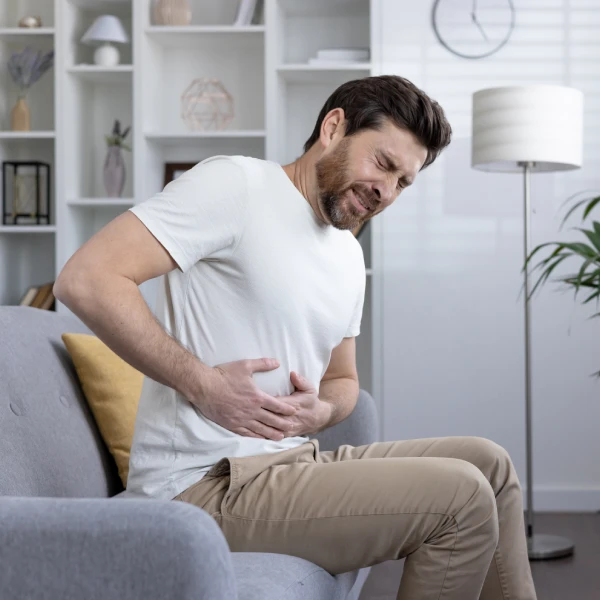
Treatment Decision Guide
| Symptom Pattern | Likely Condition | First-Line Treatment | When Surgery May Be Needed |
|---|---|---|---|
| Pain after meals | Gallstones | Medication and diet control | Recurrent pain attacks |
| Fever with abdominal pain | Gallbladder inflammation | Antibiotics and monitoring | Severe infection |
| Persistent bloating and nausea | Chronic gallbladder irritation | Digestive management | Ongoing symptoms |
| Vomiting with jaundice | Bile duct blockage | Emergency evaluation | Obstruction complications |
Daily Habits That Support Gallbladder Health
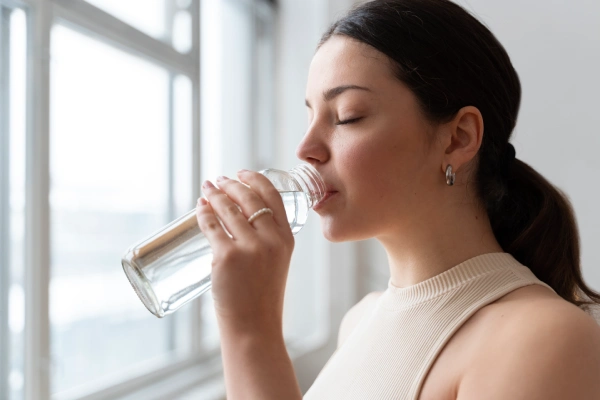
Maintain balanced hydration

Avoid excessive oily food
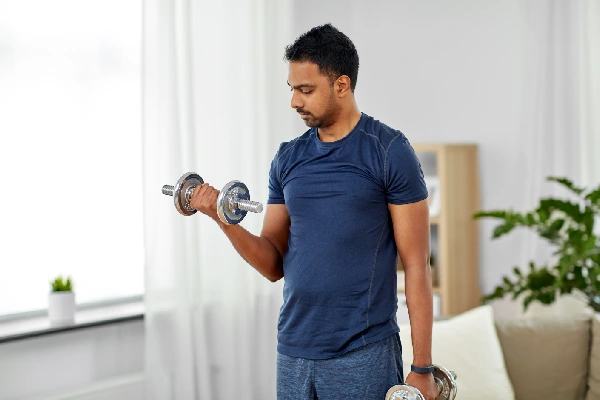
Maintain a healthy body weight
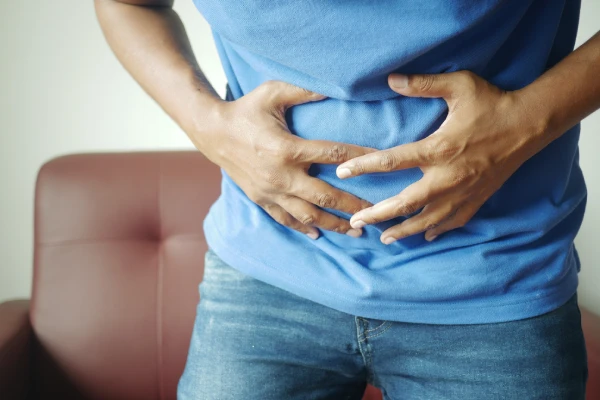
Do not ignore digestive symptoms

Follow regular meal timing
Frequently Asked Questions
Find answers to common questions to help you better understand the condition and general concerns.
Can dehydration increase the risk of gallstone formation?
Reduced fluid intake may concentrate bile and create conditions that favour the gradual development of gallstones.
Do hormonal changes influence gallbladder disease risk?
Hormonal fluctuations can alter bile chemistry and increase susceptibility to gallstone formation in some individuals.
Can gallbladder dysfunction affect fat-soluble nutrient absorption?
Disturbed bile movement may interfere with the absorption of nutrients such as vitamins A, D, E, and K during digestion.
Does prolonged physical inactivity affect gallbladder health?
Sedentary lifestyle patterns may contribute to impaired bile movement and metabolic conditions linked to gallbladder disease risk.
Can abnormal bile composition contribute to gallstone development?
An imbalance in bile components, such as cholesterol and bile salts, may promote the formation of gallstones over time.