
Advanced Nephrology Treatments and Renal Care in Kolkata
Home / Treatments / Nephrology
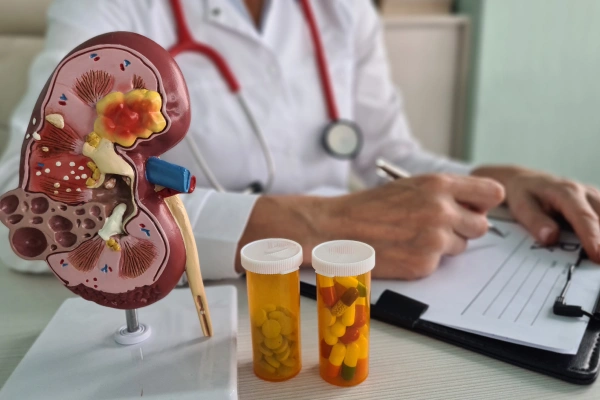
Kidney conditions often develop gradually and may not show clear symptoms in the early stages. Timely evaluation helps identify problems before they worsen. At Samaritan Medical Surgical & Critical Care, Kolkata, kidney treatment begins by finding the exact cause—not just treating symptoms—so the right care can start without delay.
From early-stage concerns to advanced kidney conditions, diagnosis and treatment are handled under one roof using modern testing and clear clinical pathways. Early consultation helps control the condition, avoid complications, protect kidney function over time, and reduce long-term risk.
Kidney Disorders We Diagnose and Manage
Chronic Kidney Disease
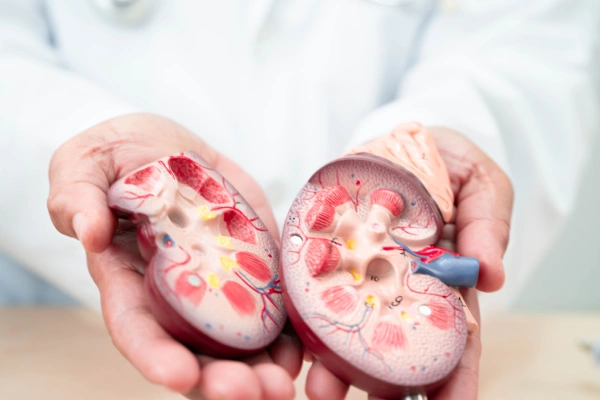
Chronic Kidney Disease (CKD) is a long-term decline in kidney function, most commonly caused by diabetes and hypertension. It progresses through stages, eventually impairing filtration, fluid balance, and toxin clearance. Early detection through estimated GFR and urine protein analysis allows targeted interventions to delay progression and reduce the risk of end-stage renal disease.
At a glance:
- Progressive loss of kidney filtration capacity
- Strongly linked to diabetes and hypertension
- Often asymptomatic in early stages
- Requires stage-based medical management

Acute Kidney Injury
Acute Kidney Injury (AKI) is a rapid reduction in kidney function developing over hours to days, often due to infections, dehydration, or reduced blood flow. It leads to sudden accumulation of waste products and electrolyte imbalance. Unlike CKD, AKI is frequently reversible if treated promptly, but delayed care may result in permanent damage.
At a glance:
- Sudden decline in kidney function
- Common causes include sepsis, dehydration, and drugs
- Reduced urine output is a key warning sign
- Early treatment can restore normal function
Polycystic Kidney Disease
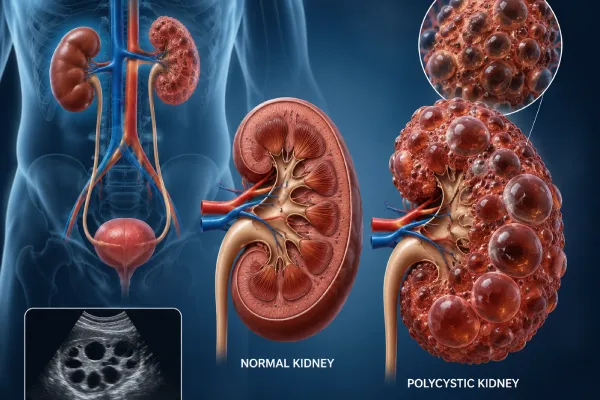
Polycystic Kidney Disease (PKD) is a hereditary condition marked by multiple fluid-filled cysts that enlarge the kidneys and impair function over time. It commonly presents with hypertension, abdominal discomfort, and hematuria. Diagnosis is confirmed through imaging, and management focuses on blood pressure control and slowing cyst progression.
At a glance:
- A genetic disorder affecting kidney structure
- Progressive cyst growth leads to dysfunction
- Associated with hypertension and pain
- Requires long-term monitoring and control
Nephrotic Syndrome
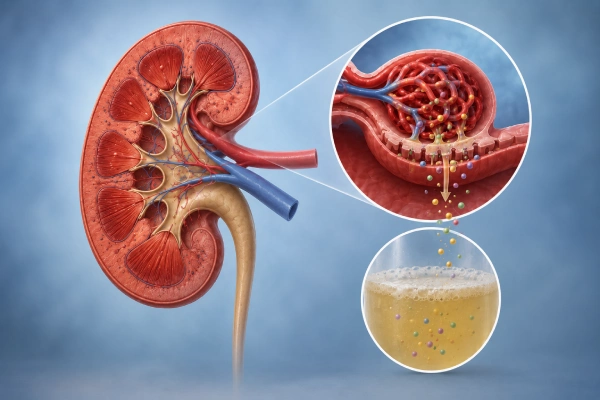
Nephrotic Syndrome is a glomerular disorder characterised by heavy proteinuria, low serum albumin, oedema, and hyperlipidemia. It results from damage to the kidney’s filtration barrier. Management includes immunosuppressive therapy, diuretics, and dietary regulation to control protein loss and prevent complications.
Clinical Highlights:
- Excessive protein loss through urine
- Causes swelling and fluid retention
- Increases risk of infections and thrombosis
- Requires targeted medical therapy

Hypertension
Hypertension is a leading cause of chronic kidney damage and a common consequence of kidney disease. Persistent high blood pressure damages renal blood vessels, reducing filtration efficiency. Effective control through antihypertensive therapy and sodium restriction is essential to slow kidney damage and reduce cardiovascular risk.
At A Glance:
- Major contributor to kidney disease progression
- Damages renal blood vessels over time
- Requires strict and sustained control
- Managed with medication and lifestyle changes

Why Choose Samaritan Medical Surgical & Critical Care?
At Samaritan Medical Surgical & Critical Care, we provide comprehensive healthcare solutions as per your needs. With a team of expert professionals, we focus on delivering compassionate, patient-centred care for optimal well-being.

NABH Certified
Accredited by NABH, ensuring the highest standards of healthcare quality and patient safety.

Surgical Excellence
Our skilled surgeons offer precision care for a wide range of surgical procedures.

Critical Care Support
Providing round-the-clock critical care with advanced equipment and expert medical teams.
Our Doctors

DR. GAUTAM MAJUMDER
Qualifications: M.D.(CAL), M.N.A.M.S(IND) CONSULTANT PHYSICIAN & NEPHROLOGIST
Specialty: NEPHROLOGIST
Experience: 50 years
Fees: Rs. 2,200.00
Available Days: TUE, THU & SAT
Available Time: 13:30 - 15:30

DR. DEBABRATA SEN
Qualifications: MBBS, MD(MED), DM(NEPHRPLOGY)
Specialty: NEPHROLOGIST
Experience: 31 years
Fees: Rs. 1,600.00
Available Days: FRI
Available Time: 10:00 - 11.00

DR. ANINDYA MOITRA
Qualifications: MBBS, (MED.SURG.)
Specialty: NEPHROLOGIST
Experience: 12 years
Fees: Rs. 1,200.00
Available Days: TUES & SAT
Available Time: 16:30-17:30

DR. ARHANA BANERJEE
Qualifications: MBBS, DNB, DRNB
Specialty: NEPHROLOGIST
Fees: Rs. 1,000.00
Available Days: TUE & THU
Available Time: THU- 9:00 - 10:00 & TUE- 16:00 - 20:00
Hear From Our Happy Patients
Very good nursing home.all staff best
I had Laproscopic surgery of gallbladder stone on 23/6/26 & Discharge on 25/6/26. I had wonderful experience in nursing home, Very cooperative staff. Particularly Ms Aditi (Head Sister charge) , she has cooperated very well with Smily face. OT is well equipped with high quality instruments, Dr Mukesh Karia has done wonderful operations.
Very good nursing home
Very Supportive Staff with 24*7 support. Along with Neat and Clean cloths and bed.
Great treatment and recuperation. Doctors nurses and support staff mase it feel like home .
Thakuuuu Samaritan nursing home........and Dr.babuuuu khubbbb valooooo..apnader sakoler babohar khub valo r porisheba khubbb khubbb valo sakol k. Ank ank ank dhannobad ......
Very good nursing home
Very good Treatment here and also staff behaviour has very good
I have admitted my father here twice under Dr Arindam Dutta sir for the DJ stenting and RIRS (Kidney stone) .The entire team of Samaritan was fantastic.Specially Ms Aditi Nandi was so humble and cooperative .She attended us every time and Given all facilities.Through out the admitting time and discharge,all the sisters,brothers,Housekeeping ,ward boy everyone was so polite and well mannered.
Advanced Kidney Diagnostics and Evaluation
Renal USG
Renal Ultrasonography (USG) is a first-line imaging tool used to assess kidney size, cortical thickness, obstruction, and structural abnormalities such as cysts or stones. It plays a key role in distinguishing acute from chronic kidney conditions and guiding subsequent diagnostic decisions.
Clinical Highlights
- Evaluates kidney size and structure
- Detects obstruction, stones, and cysts
- Helps distinguish acute vs chronic disease
- Non-invasive and widely accessible

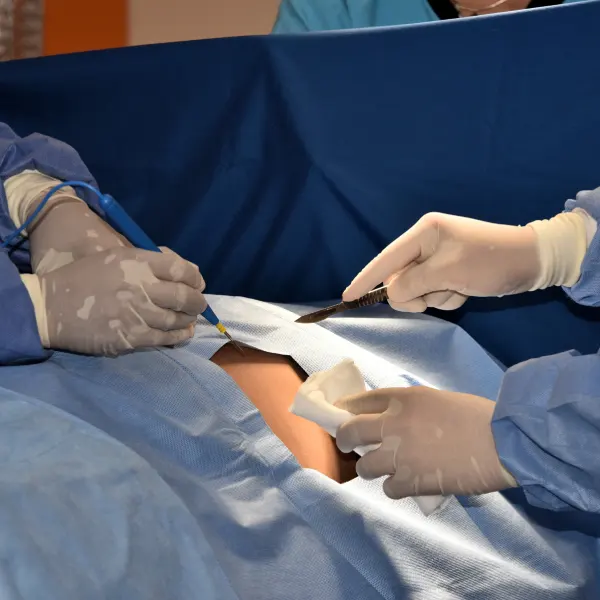
Kidney Biopsy
Kidney biopsy is performed to obtain tissue for histopathological examination in cases of unexplained kidney dysfunction, nephrotic syndrome, or suspected glomerular disease. It provides a definitive diagnosis and helps guide disease-specific therapy, particularly in immune-mediated conditions.
At A Glance
- Confirms diagnosis at a cellular level
- Essential for glomerular disease evaluation
- Guides precise treatment decisions
- Performed under imaging guidance
Our Supportive Kidney Care and Advanced Treatment Options
Electrolyte Management
Electrolyte management is a critical component of nephrology care, as kidney dysfunction often disrupts the balance of essential minerals, including potassium, sodium, calcium, and phosphate. Imbalances like hyperkalemia can trigger serious cardiac arrhythmias, while sodium and fluid shifts may affect blood pressure and neurological stability.
Management involves targeted laboratory monitoring, dietary regulation, and pharmacological correction to maintain metabolic stability and prevent acute complications in both chronic and acute kidney conditions.
Clinical Overview
- Prevents life-threatening complications like hyperkalemia
- Maintains cardiac rhythm and neuromuscular function
- Requires regular serum electrolyte monitoring
- Managed through diet, medications, and fluid control
Dialysis
Dialysis is a life-sustaining renal replacement therapy used in advanced kidney failure when the kidneys are no longer able to adequately filter waste products, regulate fluid balance, or maintain electrolyte balance. It is typically indicated in end-stage renal disease or severe acute kidney injury with complications such as uremia, fluid overload, or refractory electrolyte imbalance.
Hemodialysis and peritoneal dialysis are the two primary modalities, both designed to remove toxins and excess fluid, helping stabilise patients and improve overall survival and quality of life.
At A Glance
- Used in end-stage kidney disease and severe AKI
- Indicated in uremia, fluid overload, and electrolyte imbalance
- Includes hemodialysis and peritoneal dialysis
- Requires regular sessions under medical supervision
Frequently Asked Questions
Find answers to common questions to help you better understand the condition and general concerns.
How is early-stage kidney disease detected if symptoms are not visible?
Early-stage kidney disease is identified through laboratory markers such as estimated glomerular filtration rate (eGFR) and urine protein levels, even when no symptoms are present. These tests are especially important for individuals with diabetes, hypertension, or a family history of kidney disorders.
What clinical conditions require a kidney biopsy?
A kidney biopsy is recommended in cases of unexplained kidney dysfunction, persistent proteinuria, nephrotic syndrome, or suspected glomerular disease. It helps determine the exact cause at a cellular level and guides disease-specific treatment.
What are the medical indications for starting dialysis?
Dialysis is initiated when kidney failure leads to complications such as uremia, fluid overload unresponsive to medication, severe electrolyte imbalance (especially high potassium), or metabolic acidosis. It is not based on symptoms alone but on a combination of lab values and clinical condition.
How are electrolyte imbalances managed in kidney disorders?
Electrolyte imbalances are managed through regular blood monitoring, dietary modification, fluid regulation, and medications. Conditions like hyperkalemia require urgent correction to prevent cardiac complications, while sodium imbalance is managed to stabilise blood pressure and neurological function.
How is chronic kidney disease progression medically controlled?
Progression is controlled through strict blood pressure management, blood sugar regulation, use of kidney-protective medications, and routine monitoring of kidney function. Early and consistent intervention helps delay the need for dialysis and reduces complications.