
Bladder Cancer Diagnosis and Treatments in Kolkata
Home / Treatments / Urology / Bladder Cancer
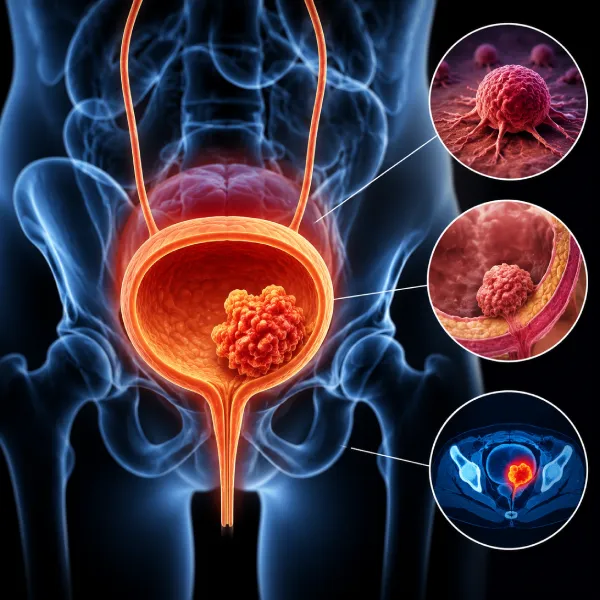
What is Bladder Cancer?
Bladder cancer is a condition in which abnormal cells in the bladder grow uncontrollably, forming tumours in the inner lining of the bladder. It most often presents with blood in the urine (hematuria), along with symptoms like pain or frequent urination.
The most common type is urothelial carcinoma, and treatment typically includes surgery, chemotherapy, or immunotherapy.
Common Symptoms of Bladder Cancer
(Hematuria) blood in urine
may appear red, pink, or cola-colored
Frequent urination
needing to pass urine more often than usual
Urgency
Sudden, strong need to urinate even when the bladder isn’t full
Painful urination (dysuria)
Burning or discomfort while urinating
Incomplete emptying
Feeling that the bladder hasn’t fully emptied
Advanced Bladder Cancer Symptoms (beyond the bladder)
Lower back or one-sided pelvic pain
Unexplained weight loss and reduced appetite
Persistent fatigue or weakness
Bone pain
Swelling in the feet or legs
Causes & Risk Factors of Bladder Cancer
Chronic Bladder Irritation
Repeated urinary infections, bladder stones, or long-term catheter use can cause chronic inflammation. This ongoing irritation damages the bladder lining and increases cancer risk over time.
Previous Cancer Treatments
Prior pelvic radiation or certain chemotherapy drugs, such as cyclophosphamide, can raise the risk. These treatments may damage bladder cells, making them more vulnerable to cancerous changes.
Age, Gender, and Ethnicity
Risk increases with age, with most cases diagnosed after 55 years. It is more common in men and occurs more frequently in white populations.
Family History and Genetics
A family history of bladder cancer can increase an individual’s susceptibility. Inherited genetic factors may influence how the body responds to carcinogens.
Parasitic Infection
Chronic infection with parasites, such as those that cause schistosomiasis, is a known risk factor. This leads to long-term inflammation of the bladder, increasing cancer likelihood.
Smoking
Smoking significantly increases risk, making smokers up to four times more likely to develop it. Harmful chemicals enter the urine and directly damage the bladder lining.
Workplace Chemical Exposure
Exposure to chemicals in industries such as dye, rubber, leather, paint, aluminium, or pesticides increases the risk. Contact with aromatic amines can lead to long-term damage to bladder cells.
Our Doctors

DR. AMLAN CHAKRABORTY
Qualifications: MBBS, MS, FRCS (Urology)
Specialty: Urology
Experience: 23 years
Fees: Rs. 1,700.00
Available Days: TUE,THURS & SAT(BY APPOINTMENT)
Available Time: 12:00 - 13:00 (BY APPOINTMENT)

DR. PRAMOD KUMAR SHARMA
Qualifications: MBBS,MS
Specialty: Urology
Experience: 21 years
Fees: Rs. 1,200.00
Available Days: BY APPOINTMENT
Available Time: By Appointment

DR. NILANJAN MITRA
Qualifications: MBBS, MS (Gen. Surg.), MCh (Urology)
Specialty: Urology
Experience: 19 years
Fees: Rs. 1,200.00
Available Days:TUE & THURS
Available Time: 8:30 - 10:30

DR. SMARANJIT CHATTERJEE
Qualifications: MBBS, MS, DNB, Mch
Specialty: Urology
Experience: 18 years
Fees: Rs. 1,200.00
Available Days: BY APPOINTMENT
Available Time: BY APPOINTMENT

DR. SOUVIK CHATTERJEE
Qualifications: MBBS, MS (Gen. Surg.), DNB, MCh (Urology)
Specialty: Urology
Experience: 16 years
Fees: Rs. 1,000.00
Available Days: WED, SAT
Available Time: WED: 15:00 - 16:00, SAT: 09:30 - 10:30

DR. KAKOLI CHOWDHURY
Qualifications: MBBS, MD(RADIO THERAPHY)
Specialty: ONCO MEDICINE
Experience: 12 years
Fees: Rs. 1,100.00
Available Days:THU & SAT
Available Time: 13:30-15:00

DR. DEBASISH CHATTERJEE
Qualifications: MBBS, MS - GENERAL SURGERY
Specialty: GENERAL AND ONCO SURGEON
Fees: Rs. 1,200.00
Available Days: THURSDAY & SAT
Available Time: 17:00-18:00

DR. SUBHOJIT MALAKAR
Qualifications: MBBS, MS (Gen. Surg.), DNB, MCh (Urology)
Specialty: Urology
Experience: 15 years
Fees: Rs. 1,000.00
Available Days: BY APPOINTMENT
Available Time: BY APPOINTMENT
DR. SUNIRMAL CHOWDHURY
Qualifications: MBBS, MS, IPGMER (HOD)
Specialty: Urology
Experience: 20 years
Fees: Rs. 1,200.00
Available Days: BY APPOINTMENT
Available Time: By Appointment
DR. RUDRADIP BANERJEE
Qualifications: MS.(GEN.SURG), D.N.B(GEN.SURG) MRCS
Specialty: GENERAL AND ONCO SURGEON
Experience: 8 years
Fees: Rs. 1,000.00
Available Days: BY APPOINTMENT
Available Time: BY APPOINTMENT
DR. PRATIJYOTI GHOSH
Qualifications: MBBS, DNB, CCEPC
Specialty: GENERAL AND ONCO SURGEON
Fees: Rs. 900.00
Available Days: BY APPOINTMENT
Available Time: BY APPOINTMENT
Hear From Our Happy Patients
Very good nursing home.all staff best
I had Laproscopic surgery of gallbladder stone on 23/6/26 & Discharge on 25/6/26. I had wonderful experience in nursing home, Very cooperative staff. Particularly Ms Aditi (Head Sister charge) , she has cooperated very well with Smily face. OT is well equipped with high quality instruments, Dr Mukesh Karia has done wonderful operations.
Very good nursing home
Very Supportive Staff with 24*7 support. Along with Neat and Clean cloths and bed.
Great treatment and recuperation. Doctors nurses and support staff mase it feel like home .
Thakuuuu Samaritan nursing home........and Dr.babuuuu khubbbb valooooo..apnader sakoler babohar khub valo r porisheba khubbb khubbb valo sakol k. Ank ank ank dhannobad ......
Very good nursing home
Very good Treatment here and also staff behaviour has very good
I have admitted my father here twice under Dr Arindam Dutta sir for the DJ stenting and RIRS (Kidney stone) .The entire team of Samaritan was fantastic.Specially Ms Aditi Nandi was so humble and cooperative .She attended us every time and Given all facilities.Through out the admitting time and discharge,all the sisters,brothers,Housekeeping ,ward boy everyone was so polite and well mannered.
Types of Bladder Cancer
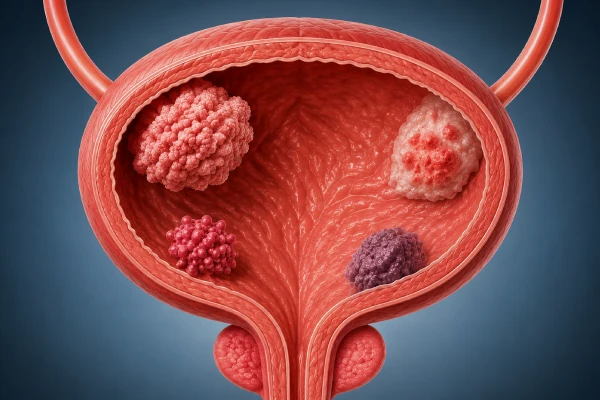
Primary Types
Urothelial Carcinoma (Transitional Cell Carcinoma): The most common type, arising from the urothelial cells lining the inside of the bladder.
Squamous Cell Carcinoma: Develops from flat cells, often linked to chronic irritation, infections, or long-term catheter use.
Adenocarcinoma: A rare form that originates in glandular cells within the bladder lining.
Small Cell Carcinoma: A very rare and aggressive neuroendocrine tumour.
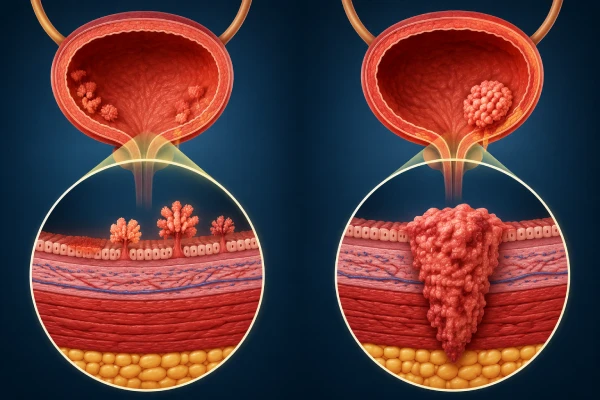
Classification by Invasion Depth
Non-Muscle Invasive Bladder Cancer (NMIBC): Limited to the inner lining or connective tissue, without spreading into the muscle layer. Includes carcinoma in situ (CIS) and papillary tumours.
Muscle-Invasive Bladder Cancer (MIBC): Has penetrated the muscular wall of the bladder and typically requires more aggressive treatment.
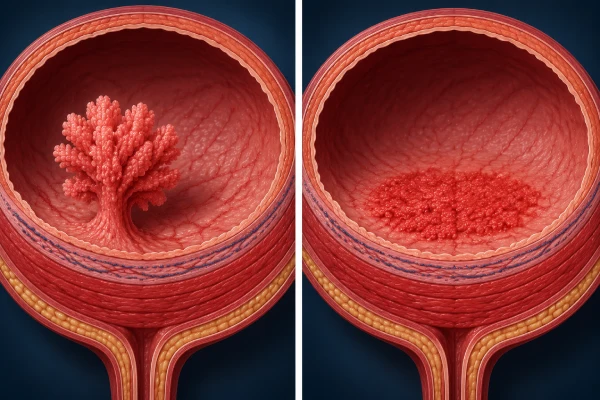
Growth Patterns
Papillary Carcinoma: Grows as finger-like projections into the bladder cavity.
Flat Carcinoma (Carcinoma in Situ – CIS): A flat, high-grade lesion that remains on the surface without growing into the hollow part of the bladder.
Scope of Bladder Cancer Care
- Bladder cancer diagnosis and care
- Surgical and non-surgical treatment pathways
- Advanced bladder cancer treatment options
- Long-term monitoring and recurrence control
Clinical Approach
- Stage-based treatment planning
- Integration of imaging and pathology
- Multidisciplinary evaluation
- Structured follow-up protocols

Bladder Cancer Diagnosis & Staging
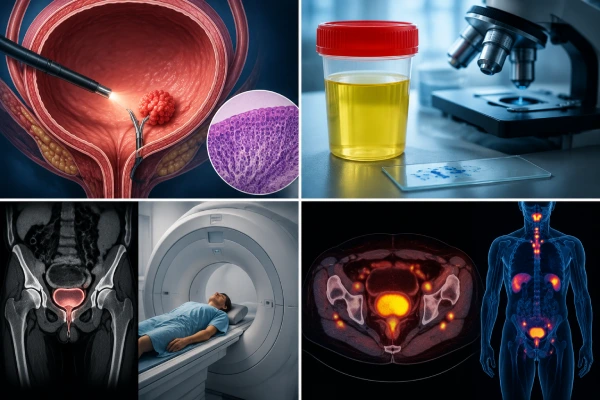
Diagnostic Methods
- Cystoscopy and biopsy for bladder cancer (definitive diagnosis)
- Urine cytology test for malignant cell detection
- CT scan and MRI for bladder cancer staging
- PET-CT scan for advanced or metastatic evaluation
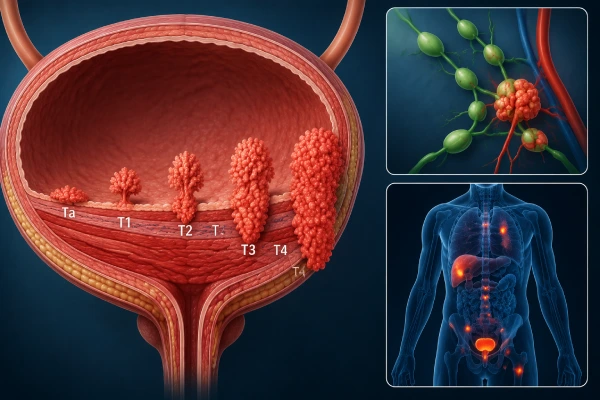
Staging Considerations
- Depth of tumour invasion
- Lymph node involvement
- Presence of distant metastasis
Bladder cancer treatment at Samaritan Medical Surgical & Critical Care in Kolkata is guided by these diagnostic parameters to ensure appropriate intervention.

Why Choose Samaritan Medical Surgical & Critical Care?
At Samaritan Medical Surgical & Critical Care, we provide comprehensive healthcare solutions as per your needs. With a team of expert professionals, we focus on delivering compassionate, patient-centred care for optimal well-being.

NABH Certified
Accredited by NABH, ensuring the highest standards of healthcare quality and patient safety.

Surgical Excellence
Our skilled surgeons offer precision care for a wide range of surgical procedures.

Critical Care Support
Providing round-the-clock critical care with advanced equipment and expert medical teams.
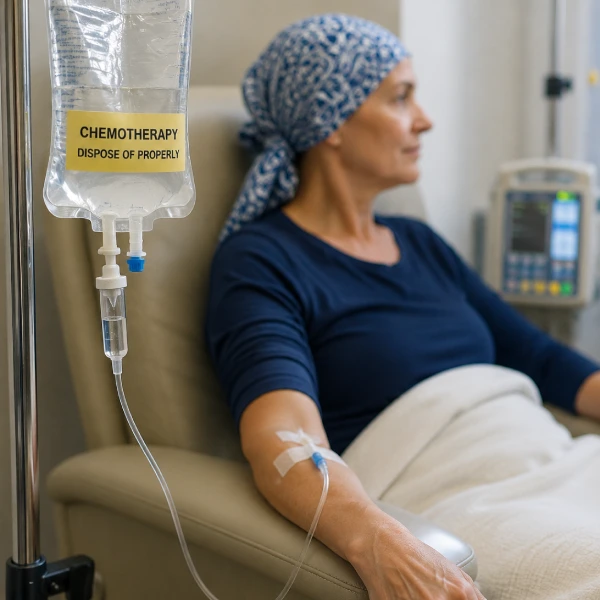
Bladder Cancer Non-Surgery Treatment Options
Medical Treatment
- Chemotherapy (neoadjuvant to shrink tumour, adjuvant to prevent recurrence)
- Immunotherapy, including intravesical BCG therapy for NMIBC
Radiation and Advanced Therapies
- Radiotherapy as part of the combined modality treatment
- Targeted therapy and advanced bladder cancer treatment in selected cases
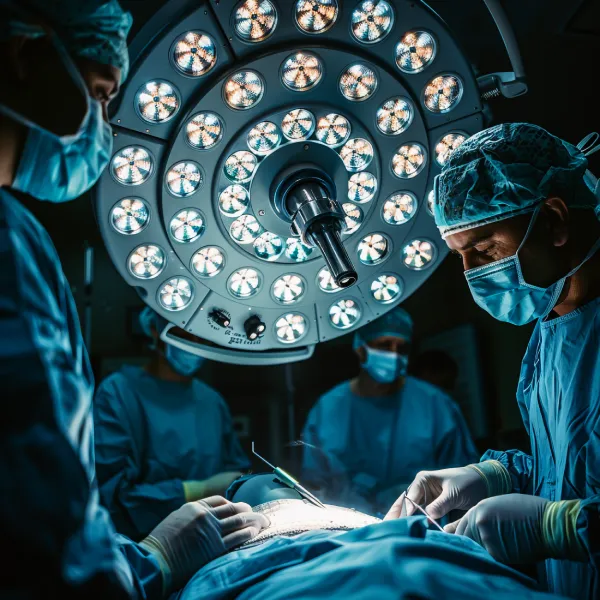
Bladder Cancer Surgery Options
Bladder cancer surgery remains the primary intervention for localised and invasive disease.
Surgical Procedures
- TURBT for early-stage tumour removal
- Radical cystectomy for muscle-invasive disease
- Robotic bladder cancer surgery for precision and reduced recovery time
Reconstruction Options
- Neobladder reconstructive surgery for internal urinary storage
- Ileal conduit (urostomy) as an external urinary diversion method
Stage-Based Bladder Cancer Treatment Protocol
| Cancer Type | Stage | Treatment | Objective | Key Procedures |
|---|---|---|---|---|
| NMIBC | Ta/T1 | TURBT + intravesical therapy | Tumour control and recurrence prevention | TURBT, BCG |
| NMIBC (High Risk) | T1 high grade | TURBT + BCG | Prevent progression | Intravesical therapy |
| MIBC | T2–T4 | Radical cystectomy + chemotherapy | Curative intent | Surgery |
| Advanced | Metastatic | Immunotherapy/systemic therapy | Disease control | Immunotherapy |

Postoperative and Follow-Up Care
Follow-Up Protocol
- Regular cystoscopy for surveillance
- Urine cytology for recurrence detection
- Imaging studies for progression monitoring
Monitoring Parameters
- Recurrence of bladder cancer
- Survival rate of bladder cancer
- Recovery after bladder cancer surgery
Frequently Asked Questions
Find answers to common questions to help you better understand the condition and general concerns.
What is the first sign of bladder cancer?
Painless blood in urine is the most common early sign.
How is bladder cancer diagnosed?
Through cystoscopy, biopsy, imaging, and urine tests.
What is the TURBT procedure?
A minimally invasive endoscopic procedure to remove bladder tumours.
Is bladder removal always required?
Only in muscle-invasive or high-risk cases.
What are urinary diversion options?
Neobladder and ileal conduit are commonly used.